Piscataqua River Fishing Access
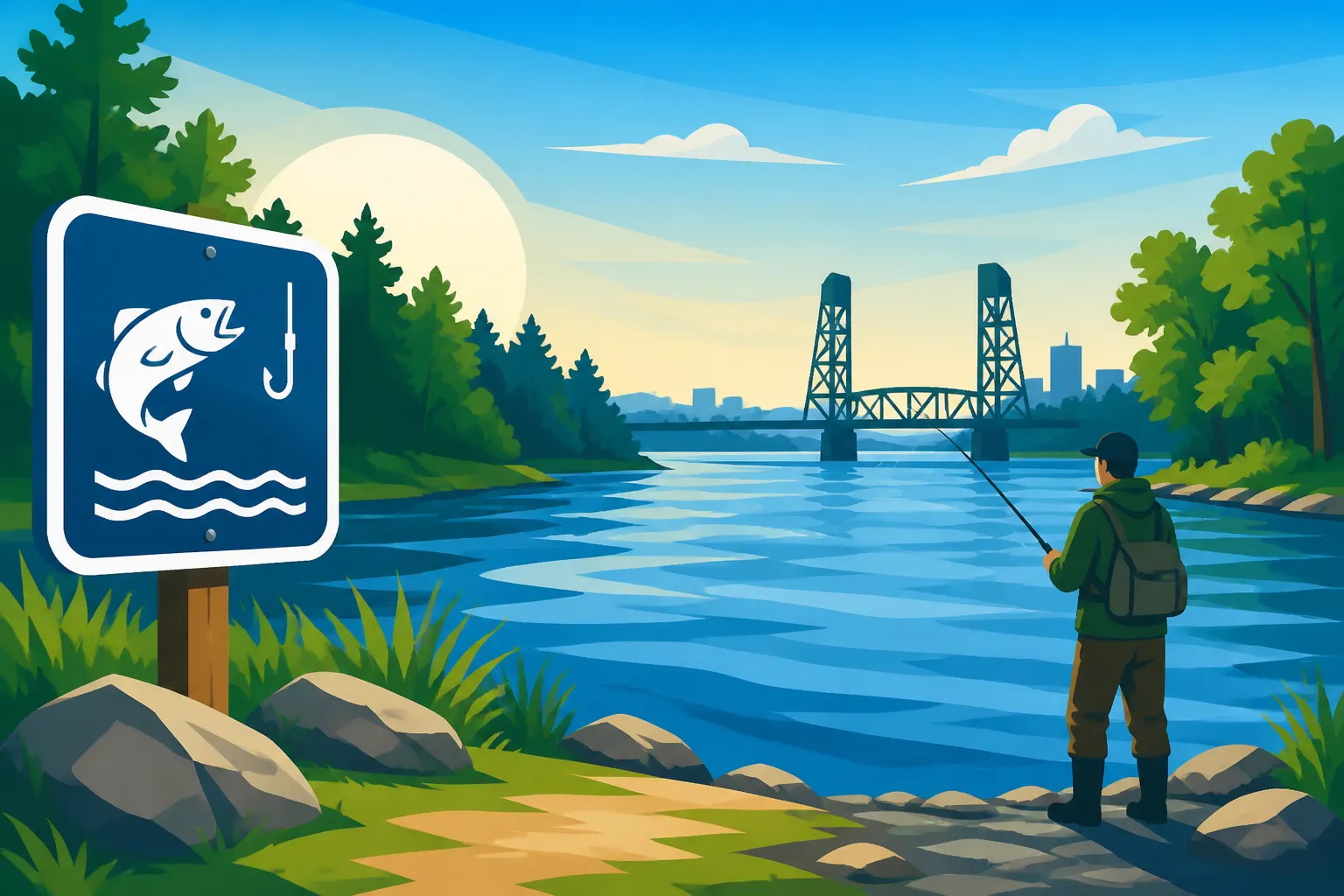
The Piscataqua River, with its powerful currents and complex estuarine environment, often presents a real head-scratcher for anglers looking for accessible spots to cast a line. It's easy to feel intimidated by the strong tides and heavy boat traffic, wondering if there are even any viable shore or boat launch options for a successful fishing trip. This guide is designed to cut through that confusion, detailing the best public access points and essential tips for fishing the Piscataqua, whether you prefer wading into the shallows or launching a boat.
Understanding the Unique Character of the Piscataqua River Fishery
The Piscataqua River isn't your typical placid freshwater stream or a wide-open ocean expanse; it's a dynamic, tidal estuary that demands a different approach from anglers. It forms a significant part of the border between New Hampshire and Maine, connecting inland rivers like the Salmon Falls and Cocheco to the Atlantic Ocean. This constant ebb and flow of saltwater makes it a incredibly rich, albeit challenging, fishing ground.
Tidal Influences and Salinity Gradients
The sheer power of the Piscataqua's tides is one of its most defining characteristics. With one of the fastest currents in North America, tidal exchanges can be dramatic, creating strong rips, eddies, and rapidly changing water depths. This constant mixing of fresh and saltwater creates a unique salinity gradient, meaning that species more commonly associated with the open ocean can push surprisingly far upriver, while some anadromous (migratory) species pass through or hold in its waters.
For us anglers, this means timing is everything. Fishing during the slack tide, either high or low, can often be more manageable, as the currents slow down, allowing lures and baits to stay in the strike zone longer. However, the moving tide, particularly the incoming tide, often brings in baitfish and can trigger feeding frenzies. Understanding these tidal cycles is paramount to success here. You'll often find yourself adapting your weight and presentation to combat the powerful pull of the current, which can strip lighter tackle away in a flash.
Key Species to Target in the Piscataqua
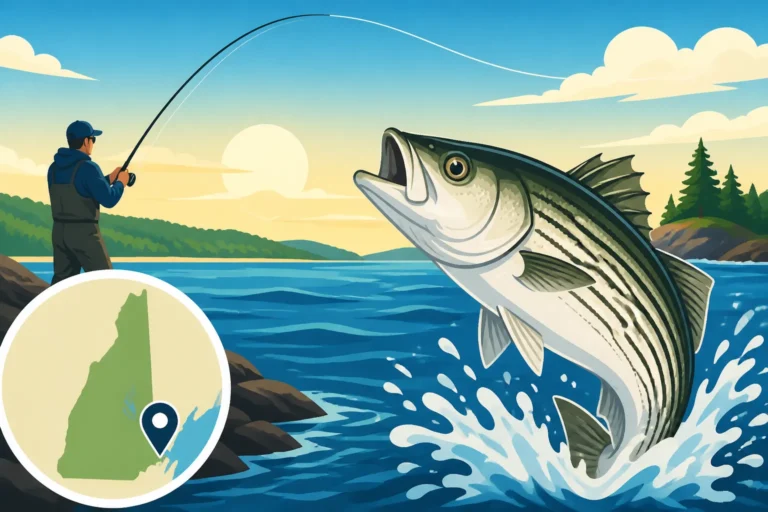
While the Piscataqua is famous for its Striped Bass, it's far from a one-species river. This is a truly diverse fishery, offering opportunities for various types of anglers. The "stripers" are undoubtedly the main attraction, drawn to the rich forage base of herring, mackerel, and various crabs that thrive in the estuary. These powerful fish provide an incredible fight and can be found throughout the river system, from the deeper channels to the rocky shorelines.
Beyond stripers, you can encounter other saltwater species like Bluefish, especially during the warmer summer months when they aggressively chase baitfish. Smaller species such as Mackerel and various flounder species can also be caught, particularly closer to the mouth of the river. During spring migrations, you might even have a shot at Alewives and American Shad making their way upstream to spawn. Even Rainbow Smelt, a delicious winter delicacy, are targeted in certain areas during their runs. Knowing what fish are likely to be present at different times of the year and how their movements are influenced by the tides will greatly improve your chances of a successful outing. For a deeper dive into the movements of these popular game fish, consider reading up on the Striped Bass Migration into Great Bay.
Best Times to Fish the Piscataqua
Successfully fishing the Piscataqua River often hinges on precise timing, largely dictated by the powerful tides and seasonal movements of fish. General advice often points to fishing around slack tide, both high and low, when the current temporarily subsides, making it easier to present lures and baits effectively. However, experienced anglers will tell you that the moving tide – particularly the incoming tide – can be incredibly productive, as it pushes baitfish into various nooks and crannies, triggering aggressive feeding by predatory species like striped bass. The last hour of the incoming tide and the first hour of the outgoing tide are often prime windows.
Seasonally, the spring and fall are generally considered the best times for striped bass, coinciding with their migrations. As spring brings warmer waters, the first waves of stripers enter the system, hungry after their journey. By late fall, they are gorging themselves for their southward migration, offering some of the year's best fishing. Summer can also be excellent, especially for bluefish and actively feeding stripers, though the fishing might be better during dawn, dusk, or even at night to avoid boat traffic and the hottest parts of the day. For precise information on managing your catch, make sure to consult the New Hampshire Bag and Possession Limits by Species for specific regulations.
Public Shoreline Access Points and Piers
For those who prefer to keep their feet on solid ground, the Piscataqua River, despite its heavily developed edges, still offers several fantastic public shoreline access points. These spots range from bustling city parks to more tranquil, natural settings, each providing a unique perspective and different fishing opportunities. The key is knowing where to go and what to expect when you get there.
Prescott Park and Peirce Island (Portsmouth)
Prescott Park, located right in downtown Portsmouth, is a beautiful and popular spot, but it's also a surprisingly effective place for shore anglers. While you might be sharing space with picnickers and sightseers, the rocky shoreline and small docks can offer good casting opportunities, particularly for striped bass. The currents here are still strong, so heavier tackle might be needed, but the convenience of downtown Portsmouth is a huge plus. Parking can be a challenge during peak tourist season, so an early morning or late evening trip is often best.
Just a stone's throw away, accessible via a short bridge from Mechanic Street, is Peirce Island. This spot is a genuine gem for shore anglers. Peirce Island boasts a public boat ramp (more on that later), but it also offers extensive shoreline access, rocky outcroppings, and even a small pier in some sections. The currents here can be fierce, making it a challenging but rewarding location. Anglers often target striped bass from the rocks or cast into the deeper channels. You'll find plenty of space to spread out, and the views are spectacular. Just be mindful of the slippery rocks and fast-moving water, especially during strong tides. This area is definitely one of the Best Shore Fishing Spots in New Hampshire for those targeting big stripers.
Odiorne Point State Park (Rye)
While not directly on the Piscataqua River itself, Odiorne Point State Park in Rye is a crucial access point for anglers looking to fish the immediate coastal waters that feed into the Piscataqua system. It's just south of the river mouth and offers incredible shoreline access to the Atlantic. From its numerous rocky shorelines, coves, and even a fishing pier, anglers can target migratory striped bass, bluefish, and various bottom fish.
Odiorne Point is particularly fantastic for those who enjoy casting into the surf or navigating rocky ledges. The diverse habitat provides excellent opportunities, and during the striped bass run, you'll often see anglers lined up along the rocks. It's a great spot for both bait and lure fishing, and its proximity means that the same fish that move into the Piscataqua will be passing by here. Parking is plentiful, though there is a state park entrance fee. For those considering casting from shore here, understanding the local conditions and gear choices can be found in our guide on How to Catch Striped Bass in Great Bay.
Dover's Waterfront and Hilton Park
Moving further upriver into areas where the salinity gradually decreases, you'll find accessible fishing spots along Dover's waterfront. These areas offer a different kind of fishing experience, often with slightly less intense currents than the lower Piscataqua. Public docks and waterfront parks in Dover can provide opportunities for a variety of species. While the focus might still be on striped bass, especially earlier in the season, you might also encounter some freshwater-tolerant species mixed in.
Hilton Park, located in Dover right off the Spaulding Turnpike (Route 16), is another excellent public access point. This park offers a boat launch, but it also has plenty of shoreline for fishing. The waters here are still tidal, but the influence of the fresh water from the Cocheco River is more noticeable. This mix can sometimes lead to surprising catches. Anglers can fish from the banks or the various rock structures, targeting stripers, but also potentially species like white perch or even some holdover freshwater fish. It's a good, family-friendly option with ample parking and facilities. Just be aware of boating traffic, especially on busy summer weekends.
| Access Point | Location | Primary Target Species | Fishing Type | Key Features & Notes |
|---|---|---|---|---|
| Prescott Park | Portsmouth | Striped Bass, Mackerel | Shore, Pier | Downtown convenience, can be crowded, strong currents. |
| Peirce Island | Portsmouth | Striped Bass, Bluefish | Shore, Boat Launch | Rocky shorelines, deep channels, fast currents, popular. |
| Odiorne Point State Park | Rye | Striped Bass, Bluefish | Shore, Pier | Coastal access, rocky ledges, great for surf casting. |
| Dover Waterfront/Hilton Park | Dover | Striped Bass, White Perch | Shore, Boat Launch | Upriver, mixed salinity, more diverse species possible. |
Boat and Kayak Launch Locations
For many anglers, the best way to truly explore the Piscataqua River's potential is from a boat or kayak. The ability to cover more water, reach secluded coves, and access deeper channels opens up a whole new world of fishing opportunities that simply aren't available from shore. However, navigating the Piscataqua's strong currents and heavy boat traffic requires a robust vessel and an understanding of the available launch points.
Public Boat Ramps for Powerboats
There are several excellent public boat ramps that provide access to the Piscataqua River and its tributaries. One of the most popular and well-maintained is the ramp at Peirce Island in Portsmouth. This concrete ramp offers multiple lanes, making it efficient even on busy mornings. There's ample parking for trailers, though it can fill up quickly during peak season. From Peirce Island, you have direct access to the main channel of the Piscataqua and can quickly reach the mouth of the river or head upstream towards Great Bay. Just be prepared for strong currents around the launch area, especially during tide changes.
Another vital access point is Hilton Park in Dover. As mentioned earlier, this park features a public boat launch that's excellent for accessing the upper Piscataqua and the Cocheco River. This ramp is often less crowded than Peirce Island, particularly for those looking to fish the slightly less saline waters further inland. Additionally, the town of Newington also offers some smaller, municipal ramps that can provide quieter access, though they might have more limited parking. Always check local municipality websites for specific regulations, fees, and current conditions before heading out. And, of course, ensure your vessel meets all the necessary legal requirements by reviewing the New Hampshire Boating Laws for Anglers.
Kayak and Canoe Launch Points
Kayaking or canoeing the Piscataqua can be an incredibly rewarding experience, offering a unique, low-impact way to explore its diverse ecosystem. However, due to the intense currents, it's not for the faint of heart or inexperienced paddler. Safety is paramount here. Always wear your personal flotation device; reviewing the Life Jacket Requirements for New Hampshire Boaters is an absolute must.
Many of the public shoreline access points, such as Peirce Island and Hilton Park, offer relatively easy spots to launch a kayak or canoe directly from the beach or a designated area separate from the main boat ramp. These spots allow you to paddle into quieter coves or follow the shoreline. Additionally, smaller creeks and estuaries feeding into the Piscataqua, like the Bellamy River or Little Bay, can offer more sheltered paddling conditions, though you'll still feel the tidal pull. These areas are fantastic for targeting fish in shallower water that larger boats might not be able to reach. For a comprehensive look at other paddling opportunities, explore our guide on the Best Kayak Fishing Spots in New Hampshire.
Marinas and Charter Services
If you don't own a boat or prefer the expertise of a seasoned local, the Piscataqua River area boasts several marinas and charter services. Marinas in Portsmouth, Dover, and Newington not only provide slips and services for private boat owners but some also offer transient slips or launch services for a fee. This can be a good option if you're traveling with your boat but need a temporary place to dock or launch.
For those truly looking to maximize their chances and benefit from local knowledge, booking a fishing charter is an excellent investment. Professional captains on the Piscataqua know the tides, the hotspots, and the specific techniques needed to catch fish. Websites like FishingBooker allow you to browse and book charters with experienced local guides who specialize in striped bass and other species found in the Piscataqua. They often provide all the necessary gear and bait, making it a hassle-free way to experience the fishery. It's a fantastic way to learn the ropes of this challenging river from an expert.
Essential Gear and Techniques for Piscataqua Fishing
Fishing the Piscataqua River successfully requires not just knowing where to go, but also understanding what to use and how to use it. The unique tidal environment, the specific species present, and the potential for larger, powerful fish mean that your gear choices and fishing techniques need to be well-matched to the conditions. Skimping on tackle here can lead to frustrating break-offs and missed opportunities.
Rods, Reels, and Line Choices
Given the strong currents and the potential to hook into a hefty striped bass, a medium-heavy to heavy action spinning or baitcasting rod, typically in the 7 to 8-foot range, is highly recommended. This length provides good casting distance from shore or a boat, while the heavy action gives you the backbone to fight strong fish and handle heavier lures and baits in the current. Brands like Penn, Shimano, or Daiwa offer reliable setups that can withstand the rigors of saltwater fishing.
Pair your rod with a robust spinning reel (size 4000-6000) or a comparable baitcasting reel that can hold a good amount of line. Line capacity is important for longer casts and those powerful runs. For your main line, 30-50 lb braided line is almost a necessity. Its thin diameter allows for longer casts, and its zero stretch provides excellent sensitivity for feeling subtle bites in current. However, braid is visible to fish, so always attach a 20-40 lb fluorocarbon leader of 3-6 feet. Fluorocarbon is nearly invisible underwater and offers excellent abrasion resistance against rocks and oyster beds, which are abundant in the Piscataqua. This setup provides the perfect blend of strength, sensitivity, and stealth.
Lures and Baits That Get Bites
When it comes to lures and baits, you'll want a versatile selection to adapt to changing conditions and target species. For striped bass, soft plastic paddle-tail swimbaits (4-7 inches) rigged on weighted jig heads (3/4 oz to 2 oz, depending on current) are incredibly effective. Colors like white, pearl, chartreuse, and olive green are perennial favorites. Topwater plugs (e.g., poppers or walk-the-dog lures) can create explosive strikes during low-light conditions or when stripers are actively chasing bait on the surface. For deeper water or stronger currents, bucktail jigs tipped with a soft plastic trailer or a strip of pork rind are deadly.
If you prefer using natural bait, fresh clams, sea worms (sandworms or bloodworms), and mackerel chunks are all highly productive. Live bait, such as menhaden (pogies) or herring, when available and legal, can be irresistible to large stripers. Remember to use appropriate circle hooks when bait fishing to promote healthy catch and release practices, especially with striped bass. Understanding the nuances of these baits and lures is crucial, and you can delve deeper into this specific knowledge by exploring Best Techniques for Striped Bass in Great Bay.
Mastering Tidal Fishing Strategies
Fishing the Piscataqua effectively means becoming a master of tidal fishing strategies. The river's strong currents aren't just a challenge; they're an asset if you know how to use them. For shore anglers, positioning yourself to allow your lure or bait to drift naturally with the current into ambush points (like eddies, rock pilings, or submerged structure) can be incredibly effective. Cast upstream and let the current carry your presentation down, maintaining a tight line to feel bites.
From a boat or kayak, drift fishing can be a highly productive technique. Position your vessel upstream of a promising area, cut the engine (or stop paddling), and let the current carry you over productive structure while you cast and retrieve. A good anchor system is essential if you want to hold a specific spot, but even then, the current can make holding position tricky. Learning to "read the water" – identifying current seams, eddies, and rips – will give you a huge advantage. These are often where baitfish congregate and where predatory fish lie in wait. Always prioritize safety in these strong currents, especially in a kayak, and know your limits.
Navigating Regulations and Conservation
Fishing in any estuarine environment, especially one as dynamic and ecologically important as the Piscataqua River, comes with a responsibility to understand and adhere to local regulations. These rules are in place to protect fish populations and ensure the longevity of the fishery for future generations. Ignoring them can lead to hefty fines and, more importantly, harm the very resources we cherish.
Understanding Striped Bass Regulations
Striped bass are arguably the most popular target species in the Piscataqua, and as such, they are subject to strict regulations that can change frequently. These regulations typically include slot limits (a specific size range within which fish must fall to be legally kept), bag limits (the number of fish you can keep per day), and sometimes seasonal restrictions. These rules are implemented by both New Hampshire Fish and Game and federal agencies to manage the species across its migratory range.
It is absolutely crucial to check the most current regulations before every fishing trip. The New Hampshire Fish and Game Department website is the primary source for this information. Penalties for violating these regulations can be severe, ranging from significant fines to loss of fishing privileges. Don't rely on outdated information or hearsay. Take a few minutes to read the official digest or check the website. For specific rules pertaining to this area, our guide on Great Bay Striped Bass Fishing Rules provides in-depth details. And, before you even head out, ensure you have the correct New Hampshire Saltwater Fishing License, Explained, as it's required for fishing in these tidal waters.
Best Practices for Catch and Release
Given the conservation efforts surrounding species like striped bass, practicing responsible catch and release is more important than ever. While keeping a legal-sized fish for dinner is certainly part of the angling experience, many anglers choose to release larger breeding-age fish to help sustain the population. If you intend to release fish, proper handling can significantly increase their survival rate.
Here are some best practices:
- Minimize handling: Try to keep the fish in the water as much as possible.
- Use appropriate tools: Employ a de-hooking tool or pliers to remove hooks quickly and gently. A sturdy, rubberized landing net can also help subdue the fish without removing its protective slime coat.
- Avoid excessive air exposure: If you must take a photo, do so quickly, supporting the fish horizontally, and get it back into the water promptly.
- Revive the fish: If the fish seems stressed, hold it gently in the water, facing into the current (if any), until it regains its strength and swims away on its own. Avoid dragging it backwards.
These simple steps make a real difference in the health of the fishery.
Protecting the Piscataqua's Ecosystem
As anglers, we are stewards of the environment. Our actions on and around the Piscataqua River have a direct impact on its health and productivity. Practicing environmental responsibility goes beyond just fish regulations; it includes mindful behavior that protects the entire ecosystem.
- Leave no trace: Always pack out everything you pack in. This means no litter, no discarded fishing line (which can be deadly to wildlife), and no bait containers left behind.
- Respect private property: Many areas along the river are privately owned. Always ensure you are on public access land or have permission before crossing or fishing from private property.
- Be mindful of boat wakes: If you're operating a boat, be aware of your wake, especially in narrow channels or near shorelines where it can erode banks or disturb other anglers and wildlife.
- Report violations: If you witness illegal fishing activity or environmental damage, report it to the New Hampshire Fish and Game Department. They rely on the public's help to protect these vital resources.
By following these principles, we can all contribute to keeping the Piscataqua River a healthy and vibrant place to fish for generations to come. For a broader understanding of fishing regulations across the state, it's always a good idea to consult the New Hampshire Fishing Regulations Explained resource.
Local Insight and Fishing Tips
Getting to know a new fishing area, especially one as unique as the Piscataqua River, often feels like cracking a secret code. While maps and regulations are a great start, there's nothing quite like local knowledge to truly unlock its potential. Connecting with local anglers, understanding specific challenges, and knowing where to take the family can make all the difference between a frustrating outing and a truly memorable one.
Connecting with Local Anglers and Resources
The best way to shorten the learning curve on the Piscataqua is to tap into the wisdom of those who fish it regularly. Local tackle shops are invaluable resources. Stores like Kittery Trading Post, just across the river in Maine, or smaller bait shops in Portsmouth and Dover, not only stock the right gear but also often have employees who are passionate local anglers. They can provide up-to-the-minute reports on what's biting, what tides are working best, and what lures or baits are currently hot. Don't be shy; ask for advice, and be sure to support their business.
Beyond physical stores, the digital world offers a wealth of information. Online fishing forums, social media groups dedicated to New Hampshire saltwater fishing, and local angling clubs can be excellent places to ask questions, share experiences, and learn from others. Just remember to treat specific "secret spots" with respect and discretion. If you're looking for a more personalized approach, consider hiring a local fishing guide. Platforms like FishingBooker are a great way to find experienced captains who specialize in the Piscataqua and Great Bay area. A few hours with a guide can teach you more than weeks of trial and error, showing you specific techniques and nuances of the river.
Overcoming Common Piscataqua Challenges
Fishing the Piscataqua isn't without its hurdles, and recognizing them upfront can help you prepare. The strong currents are the biggest challenge. They make lure presentation difficult, require heavier weights, and can quickly move your boat or kayak. To overcome this, use heavier jig heads, incorporate lead core line for trolling if you're targeting deeper fish, and learn to fish during the calmer slack tides or strategically drift with the current. Boat traffic can also be significant, especially during summer weekends. Anglers in smaller vessels or those fishing from shore need to be extra vigilant and aware of larger vessels creating wakes. Early mornings or weekdays often offer a quieter experience.
Another challenge is the changing water clarity. Heavy rains can muddy the water, making sight fishing impossible and requiring brighter colored lures or scent-infused baits. Conversely, clear water might call for lighter leaders and more subtle presentations. Don't be afraid to adjust your tackle and technique based on the conditions you encounter on any given day. You'll also want to make sure you're legally compliant. If you need a license, knowing Printing or Carrying a Digital Fishing License in New Hampshire can save you hassle.
Family-Friendly Fishing Opportunities
While the strong currents and larger fish can make the Piscataqua seem intimidating, there are definitely family-friendly fishing opportunities, especially for those with patience and the right expectations. Prescott Park in Portsmouth, with its accessible docks and beautiful surroundings, offers a convenient spot to introduce kids to fishing, even if they're just reeling in smaller panfish or attempting to cast for a striper. Hilton Park in Dover is another excellent choice, offering plenty of open space, facilities, and somewhat calmer waters further upriver.
When fishing with kids, focus on the experience, not just the catch. Bring plenty of snacks, have a backup plan if they get bored, and keep it simple. Using live bait (like worms or clams) often increases the chances of getting bites, keeping young anglers engaged. Even if they don't land a trophy striper, the excitement of catching a small white perch or a flounder can ignite a lifelong passion for fishing. Remember, the Piscataqua is a special place, and sharing it with the next generation is a rewarding experience.
Disclaimer
Please remember that fishing regulations, access rules, and environmental conditions can change. Always consult the latest information from the New Hampshire Fish and Game Department and local authorities before planning your trip. Fish responsibly and prioritize safety on the water.