Israel River Trout Fishing
Many anglers dream of finding that perfect, pristine trout stream nestled deep in the mountains, but the reality often falls short with overcrowded spots or inaccessible stretches. It's frustrating to drive all that way only to find yourself jostling for space or facing "no trespassing" signs. This comprehensive guide will pull back the curtain on the Israel River, a truly special trout fishing destination in New Hampshire's White Mountains, providing all the insights you need to confidently explore its waters and successfully hook into some beautiful fish.
Unveiling the Israel River: A White Mountain Trout Sanctuary
The Israel River isn't just another stream; it's a vital artery flowing through the rugged beauty of northern New Hampshire, originating high in the White Mountains and eventually joining the mighty Connecticut River near Lancaster. This freestone river carves its way through picturesque landscapes, offering a diverse array of habitats that make it a prime location for various trout species. Its waters are typically cold and well-oxygenated, fed by mountain springs and snowmelt, which is exactly what trout thrive in.
The River's Character and Flow
From its headwaters, the Israel River is a classic freestone mountain stream. Think clear, rushing water tumbling over rocks, through small riffles, and into deeper, dark pools. As it widens and flows downstream through towns like Jefferson and Lancaster, its character subtly changes. You'll find longer, calmer sections, often bordered by mature forests, agricultural fields, and even some residential areas. This transition creates different fishing opportunities – the wild, spirited brook trout in the upper reaches give way to more robust populations of stocked rainbow and brown trout in the middle and lower sections. The river's substrate is a mix of gravel, cobble, and larger boulders, providing excellent cover and foraging grounds for insects and baitfish, which are crucial for a healthy trout ecosystem.
Why the Israel River is a Trout Angler's Dream
What makes the Israel River so appealing to trout anglers isn't just its undeniable beauty; it's the combination of accessibility and the quality of its fishing. While some remote sections require a bit of a hike, many parts of the river are easily reached from major roads, making it less intimidating for those new to stream fishing or anglers with limited mobility. Despite its relative accessibility, the river maintains a wild feel, particularly in its upper stretches within the White Mountains National Forest. The consistent flow of cold, clean water ensures that trout remain active and healthy throughout much of the fishing season. Furthermore, the New Hampshire Fish and Game Department regularly stocks various sections, augmenting the naturally reproducing populations and offering a diverse angling experience. It's a place where you can truly escape, listen to the rushing water, and feel connected to the wild heart of New Hampshire.
Getting There: Access Points and Navigating the Terrain
One of the biggest hurdles when exploring a new fishing spot, especially in a region as wild as the White Mountains, is simply figuring out how to get to the water without trespassing or getting lost. The Israel River, thankfully, offers a range of access points, from roadside pull-offs to more secluded trails, catering to different levels of adventure and mobility.
Roadside Access in Jefferson and Lancaster
For many anglers, the easiest way to get onto the Israel River is via the numerous roadside access points, especially as it flows through the towns of Jefferson and Lancaster. Route 2, a main artery through northern New Hampshire, parallels sections of the river, offering convenient pull-offs and bridges that provide direct access to the water. In Jefferson, you'll find spots where the river meanders close to the road, often with small, unmarked parking areas. These spots are fantastic for a quick cast or for those who prefer not to embark on long hikes. Closer to Lancaster, particularly as you approach the confluence with the Connecticut River, the river becomes larger, and there are several bridges and public lands that offer access.
When using roadside access, always be mindful of private property. Look for clear signs of public access, like designated parking or paths that obviously lead to the river without crossing someone's yard. A little bit of scouting on Google Maps beforehand can save you a lot of hassle. If you're unsure, it's always best to err on the side of caution or seek out clearly marked public access points. Many local businesses, like gas stations or tackle shops in Jefferson or Lancaster, might also be able to point you to popular and legal access points. If you're looking for wider public access, consider referring to the New Hampshire Freshwater Fishing Digest PDF for detailed maps and regulations.
Exploring the Upper Reaches and Forest Lands
For the more adventurous angler seeking solitude and the chance at wild brook trout, the upper reaches of the Israel River, particularly those sections flowing through the White Mountains National Forest, are truly special. Access here is generally less direct and often requires a hike, but the reward is immense. You'll find fewer people, more pristine conditions, and a true sense of wilderness fishing.
One common way to access these higher elevations is by utilizing trails or logging roads that branch off from major routes or smaller local roads. While specific named trails directly along the Israel River might be limited, many forest roads provide access to its tributaries or higher sections of the main stem. Parking can be found at designated trailheads or along the shoulders of forest roads where permitted. Always check with the White Mountain National Forest Visitor Centers or their website for current information on trail conditions, closures, and parking regulations. Be prepared for varied terrain, including rocky paths, muddy sections, and stream crossings. Waterproof hiking boots or wading boots are a must, and a wading staff can be a lifesaver when navigating slippery streambeds. This kind of access often leads to the smaller, more intimate stretches of the river where native brook trout thrive, offering an experience that truly embodies the spirit of Brook Trout New Hampshire's Native Trout fishing.
Species Spotlight: What You'll Catch in the Israel River
The Israel River is a dynamic fishery, home to a trio of classic trout species, each offering a unique challenge and reward. Understanding what fish you're likely to encounter and where they prefer to hang out can significantly boost your success rate and make your time on the water even more enjoyable.
Native Brook Trout
The quintessential New Hampshire trout, the brook trout (or "brookie" as they're affectionately called), is the native star of the Israel River, especially in its colder, higher-elevation sections. These fish are renowned for their vibrant, jewel-toned colors – olive green backs with distinctive worm-like markings, red spots surrounded by blue halos, and striking white leading edges on their fins. While often smaller than their stocked cousins, typically ranging from 6 to 10 inches, their beauty and the challenge of catching them in their natural habitat make them highly prized.
Brook trout are creatures of cold, clear water. In the Israel River, you'll find them holding in pocket water behind boulders, in the deeper sections of riffles, and especially in plunge pools beneath small waterfalls in the more rugged, upstream areas. They're opportunistic feeders, keying in on aquatic insects (nymphs, caddis, stoneflies), terrestrial insects that fall into the water (ants, beetles, grasshoppers), and even small baitfish in larger specimens. When fishing for brookies, stealth is your best friend. Approach pools carefully, avoid heavy footfalls along the bank, and make accurate casts. Light tackle, whether fly or spin, is essential to fully appreciate their spirited fight. Catching a wild brook trout from the Israel River is a truly authentic New Hampshire experience, a testament to the health of these pristine waters.
Stocked Rainbow and Brown Trout
While brook trout hold a special place, the Israel River also benefits from regular stocking programs by the New Hampshire Fish and Game Department, introducing both rainbow and brown trout into its middle and lower sections. These stockings significantly enhance angling opportunities, particularly for those looking for a bit more size and a more consistent catch rate.
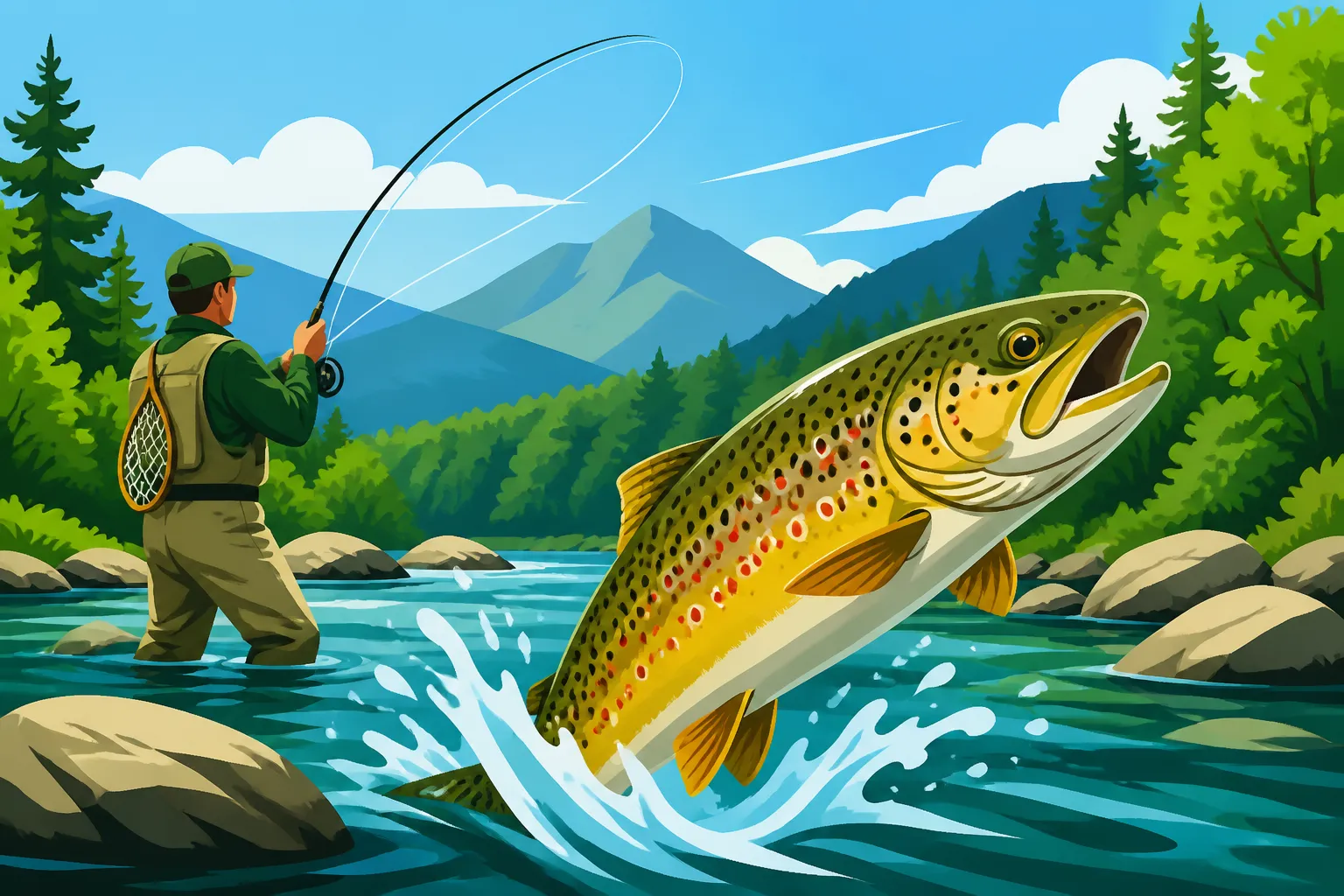
Rainbow trout are famous for their acrobatic fights and their distinctive pink or red band running along their sides. They are powerful swimmers and will often make strong runs and leaps once hooked. Stocked rainbows can range from 8 to 15 inches, with occasional larger holdovers providing an even bigger thrill. Brown trout, on the other hand, are often more elusive and can grow to impressive sizes, offering a true trophy potential. They are recognized by their golden-brown color, often with darker spots surrounded by lighter halos. Browns are typically more predatory than rainbows and brookies, often favoring larger meals like baitfish or crayfish as they grow older.
You'll typically find stocked rainbows and browns in the more accessible, wider sections of the Israel River, often in slower pools, undercut banks, and around submerged structures like logs or boulders. They tend to be less shy than wild brook trout, especially shortly after stocking, making them a great target for both bait and lure anglers. While they may not have the same "wild" appeal as a native brookie, their powerful fights and the chance to land a substantial fish make them equally exciting. Understanding New Hampshire Trout Stocking and Fishing Rules can help you time your visit to coincide with recent stockings, often leading to very productive fishing days.
Timing is Everything: Best Seasons and Conditions for Success
Knowing when to fish the Israel River can be just as important as knowing where or how. Like most New Hampshire trout waters, the river experiences distinct seasonal changes that dramatically influence trout behavior, accessibility, and fishing success.
Spring: High Water and Eager Fish
Spring on the Israel River is a time of renewal and often, some of the most exciting fishing. As snowmelt swells the river, water levels can be high and cold, sometimes carrying a bit of color. This might seem daunting, but it also flushes out dormant insects and brings a surge of oxygen, awakening trout from their winter lethargy. Early spring, especially from April through May, is prime time for catching actively feeding fish. The New Hampshire Fish and Game Department often conducts its initial trout stockings during this period, meaning there's a fresh supply of hungry fish eager to bite.
During spring, focus your efforts on areas where the current is broken, such as eddies, behind large boulders, or in slower seams along the banks. Trout will seek refuge from the strongest currents and position themselves where food is easily funneled to them. Spin anglers will find success with small inline spinners like Mepps Aglias or Panther Martins, especially in brighter colors (gold, silver, chartreuse) to grab attention in murkier water. Small spoons, such as Phoebe's or Kastmasters, can also be deadly. Fly anglers should lean heavily on nymphs, dead-drifting them deep with plenty of weight to get into the feeding zone. Patterns like Hare's Ear, Pheasant Tail, and Prince Nymphs are perennial favorites. Don't discount small worms or powerbait for the recently stocked fish – they're often very effective. Be prepared for variable weather; spring in the White Mountains can swing from warm sunshine to chilly rain or even late snow. Layered clothing and good waterproof gear are essential.
Summer: Low Flows and Technical Challenges
As summer progresses (June through August), the Israel River typically sees lower, clearer water levels. While beautiful, these conditions can make fishing more challenging and require a more finessed approach. Trout become warier, especially in the clearer water, and midday heat can push them into deeper, cooler holding lies or into sections with more shade. However, summer also brings abundant insect hatches, offering fantastic dry fly opportunities, particularly during mornings and evenings.
During the hotter parts of the day, focus on the deepest pools, undercut banks, and areas with significant overhead cover. The upper, colder stretches of the river will remain more productive throughout the summer. Fly anglers will find success matching the hatch with dry flies like Caddis, Mayflies, and Stoneflies, often in smaller sizes. Terrestrial patterns like hoppers, ants, and beetles can also be very effective, especially when fished near grassy banks. For spin anglers, smaller, more subtle lures are key. Try downsized spinners or tiny Rapala-style minnow imitations. Fishing early in the morning or late in the evening when water temperatures are cooler and insect activity is higher will significantly improve your chances. It's also important to practice good Landlocked Salmon Catch and Release Survival Tips with trout in warmer water, as they can be more susceptible to stress. Minimize handling time and use a rubberized net to protect their slime coat.
Fall: Vibrant Colors and Aggressive Feeding
Fall (September through October) on the Israel River is a spectacular time to fish, not just for the vibrant foliage of the White Mountains, but for the aggressive feeding behavior of the trout. As water temperatures begin to cool but remain comfortable, trout often go on a feeding binge to prepare for winter. The crowds thin out, and the fish can be incredibly active.
During fall, trout will often be found in a variety of water types, from riffles to deeper pools, as they spread out to feed. Streamers and larger nymphs become very effective as trout key in on baitfish and larger aquatic insects. Patterns like Woolly Buggers (black, olive, brown), Sculpzillas, and Articulated Streamers can entice larger fish, particularly brown trout. Spin anglers can also find success with larger spinners and minnow imitations. As fall progresses, particularly into October, some trout species (like brook trout and brown trout) will begin their spawning rituals. While these fish are beautiful and often vividly colored, it's generally best practice to avoid targeting actively spawning fish on their redds (gravel nests) to ensure future generations. Focus instead on pre-spawn fish or those in adjacent holding water. The crisp air, stunning scenery, and eager fish make fall an unforgettable time to fish the Israel River.
| Season | Typical Water Conditions | Primary Trout Species | Recommended Techniques | Key Considerations |
|---|---|---|---|---|
| Spring | High, cold, often colored | Rainbow, Brown, Brook | Nymphs, Spinners, Worms | Early stockings, variable weather |
| Summer | Low, clear, warmer midday | Brook, Rainbow, Brown | Dry Flies, Terrestrials, Small Spinners | Early/late fishing, stealth, C&R |
| Fall | Moderate to low, cooling | Brook, Brown, Rainbow | Streamers, Larger Nymphs, Spinners | Beautiful foliage, pre-spawn feeding |
Mastering the Art: Effective Techniques and Essential Gear
Successfully fishing the Israel River, whether you're chasing native brook trout in its headwaters or stocked rainbows downstream, relies on employing the right techniques and having the appropriate gear. It’s not about having the most expensive setup, but having what works best for the specific conditions you'll encounter.
Fly Fishing: Matching the Hatch and Nymphing Deep
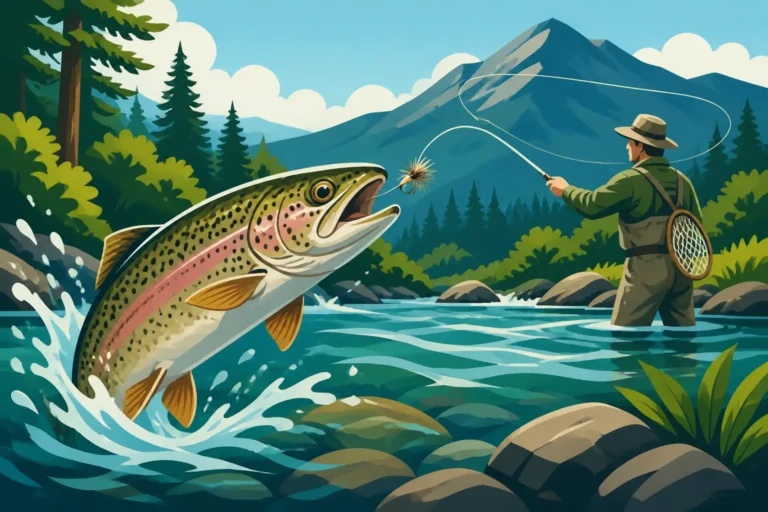
Fly fishing on the Israel River is a truly rewarding experience, offering both delicate dry fly opportunities and effective subsurface nymphing. For the smaller, upper reaches, a lightweight fly rod, typically a 7' to 8'6" 3- or 4-weight, is ideal. This lighter setup allows for precise casting in tight quarters and makes even a small brook trout feel like a trophy. For the wider, lower sections, a 5-weight rod offers more versatility for casting larger flies or dealing with wind.
Dry Fly Fishing: When insects are hatching, typically during late spring, summer, and early fall, dry fly fishing can be exhilarating. The key is to "match the hatch," meaning selecting a fly pattern that closely imitates the size, shape, and color of the natural insects on the water. Common hatches include various caddisflies, mayflies (like Sulphurs and Blue-Winged Olives), and stoneflies. Even when there's no visible hatch, terrestrial patterns such as a foam beetle, ant, or grasshopper can be incredibly effective, especially when cast close to grassy banks or overhanging vegetation. Present your fly with a delicate, drag-free drift to mimic a natural insect.
Nymphing: Often, the most productive method, especially when fish aren't rising, is nymphing. Most of a trout's diet consists of aquatic insects in their larval or nymphal stage, which live on the riverbed. Dead-drifting a nymph rig along the bottom, often with a strike indicator and some split shot to get it down, is a highly effective way to catch actively feeding trout. Popular nymph patterns for the Israel River include the Hare's Ear, Pheasant Tail, Prince Nymph, and various stonefly imitations. In faster, deeper runs, a technique like Euro Nymphing New Hampshire Trout Streams can be particularly deadly, allowing you to maintain better contact with your flies and detect subtle strikes. Always check your leader and tippet for abrasion, as hitting rocks is common when nymphing.
Streamer Fishing: For targeting larger, more aggressive trout, especially brown trout, streamer fishing can be very effective. These patterns imitate baitfish and other larger prey items. Casting a Woolly Bugger (in olive, black, or brown), a Sculpin pattern, or a small Dace imitation and stripping it through deeper pools and undercut banks can elicit powerful strikes. This is especially true in the fall when trout are looking to bulk up.
Spin Fishing: Versatility for Every Section
Spin fishing offers incredible versatility on the Israel River, allowing anglers to cover water efficiently and adapt to various conditions. A light to ultralight spinning rod, typically 5' to 6'6" in length with a fast action, paired with a small spinning reel spooled with 4-6 lb test monofilament or fluorocarbon line, is an excellent all-around setup.
Inline Spinners: These are perennial favorites for a reason. Small inline spinners, such as Mepps Aglias, Panther Martins, or Rooster Tails, in sizes #0 to #2, are incredibly effective for all trout species. Their flashing blades and vibrating action attract trout from a distance. Experiment with different blade colors (silver, gold, copper) and body colors (black, yellow, green) to see what the fish prefer on any given day. Cast upstream and retrieve just fast enough to get the blade spinning, letting it drift naturally downstream through pockets and runs.
Small Spoons: Spoons like Thomas Buoyants, Phoebe's, or Kastmasters in sizes 1/8 to 1/4 ounce are also excellent choices. Their wobbling action on the retrieve, or flutter on the fall, can trigger strikes. They're particularly good for deeper pools and when you need a bit more weight to get your lure down. Again, silver, gold, and brass are good starting colors.
Minnow Imitations: Small crankbaits or jerkbaits that mimic minnows, such as those from Rapala (e.g., Original Floater or Countdown series in sizes 3 or 5), can be deadly for larger trout, especially brown trout. Cast them across or slightly upstream and retrieve with a twitch-and-pause action to imitate a struggling baitfish. Natural colors work well in clear water, while brighter colors might be better in stained conditions.
Bait Fishing: For many, especially those new to trout fishing, bait can be incredibly effective, particularly for recently stocked fish. Worms (nightcrawlers, mealworms, garden worms), live or artificially scented, fished on a small hook (size 8-12) with a split shot or two under a bobber, are often irresistible. PowerBait or similar scented dough baits, fished off the bottom with a small weight, are also highly effective in slower pools. Remember to use small hooks to ensure a good hookset without harming smaller fish.
Essential Gear for a Day on the River
Beyond your rod and reel, a few key pieces of gear will make your Israel River fishing trip more comfortable and successful:
- Waders and Boots: Chest waders, preferably breathable for comfort, are highly recommended. They allow you to safely navigate the river, access prime spots, and stay warm in cold water. Pair them with sturdy wading boots that offer good grip on slippery rocks. If you're planning on doing a lot of wading, check out Best Waders for New Hampshire Trout Streams.
- Polarized Sunglasses: These are non-negotiable. They cut glare, allowing you to see into the water, spot fish, and identify underwater structure, giving you a huge advantage.
- Hat: For sun protection and to help with glare.
- Net: A small, rubberized landing net is crucial for safely landing and releasing trout, minimizing stress and protecting their delicate slime coat.
- Pliers/Hemostats: Essential for quickly and safely removing hooks, especially if practicing catch and release.
- Water and Snacks: Stay hydrated and energized, especially during longer outings.
- Maps/GPS: Even with roadside access, having a map or a GPS app on your phone can help you understand the river's course and locate potential access points. If you're planning a multi-day trip, consider using a platform like FishingBooker to explore guided options, ensuring you have local expertise at your fingertips.
- Rain Gear: New Hampshire weather can change rapidly. Always have a lightweight rain jacket packed.
Staying Legal: Navigating Israel River Fishing Regulations
Navigating fishing regulations can sometimes feel like trying to solve a puzzle, but it's an absolutely crucial part of responsible angling. For the Israel River, you'll generally be following statewide New Hampshire freshwater fishing regulations, but it’s always wise to be aware of any specific local rules that might apply to certain stretches.
Understanding General New Hampshire Freshwater Rules
First and foremost, anyone aged 16 or older needs a valid New Hampshire fishing license to fish the Israel River. You can easily purchase one online through the New Hampshire Fish and Game Department website, at authorized license agents like local sporting goods stores, or even through services like FishingBooker if you're booking a guided trip. Remember, your license typically expires at the end of the calendar year, so make sure yours is up to date! For all the details on obtaining your license, you can refer to the New Hampshire Fishing License Guide for 2026.
Beyond the license, key general regulations to be mindful of include:
- Season Dates: While many waters are open year-round for some species, trout often have specific season dates, especially in smaller streams. For the Israel River, trout season typically runs from January 1st to October 15th, with some catch-and-release opportunities during the closed season in certain waters. Always double-check the current year's digest for exact dates.
- Daily Bag & Possession Limits: There are limits on how many fish of each species you can keep per day, and how many you can have in your possession. For trout, the statewide daily limit is usually 5 fish, with a possession limit of 5 fish. However, these limits can vary by water body or species, so it's vital to consult the regulations. For specifics on trout, see New Hampshire Trout Limit and Possession Rules.
- Length Limits: Some species or specific waters have minimum or maximum length limits to protect spawning fish or encourage the growth of larger fish. For most trout in the Israel River, there isn't typically a statewide minimum length, but always verify this in the digest.
- Gear Restrictions: Most freshwater fishing in New Hampshire allows for bait, lures, and flies. However, some "fly fishing only" or "artificial lures only" sections exist in other parts of the state. While the Israel River is generally open to all methods, always check the digest for any special regulation waters that might affect a specific stretch you're targeting.
- No Live Smelt as Bait: It's important to remember that using live rainbow smelt as bait is prohibited in New Hampshire waters to prevent the spread of disease.
The absolute best resource for up-to-date and comprehensive regulations is the official Reading the New Hampshire Freshwater Fishing Digest. You can download it as a PDF from the New Hampshire Fish and Game Department website, and it's invaluable for planning your trip.
Special Regulation Waters and Ethical Angling
While the main stem of the Israel River does not currently fall under specific "Special Regulation Waters" that would drastically alter the statewide rules, it is always a good practice to consult the current New Hampshire Freshwater Fishing Digest. This digest will list any specific sections of rivers, lakes, or ponds that have different season dates, length limits, or gear restrictions. Sometimes a specific tributary or a very small section might have unique rules, especially if it's managed for wild trout.
Beyond the letter of the law, ethical angling practices are paramount, especially when fishing a valuable resource like the Israel River.
- Catch and Release: If you plan to release fish, especially in warmer summer months, do so quickly and carefully. Minimize handling time, keep the fish in the water as much as possible, and use a rubberized net. Wet your hands before touching the fish to protect its protective slime coat.
- Leave No Trace: Pack out everything you pack in, including fishing line, bait containers, and any other trash. Respect the natural environment and leave it cleaner than you found it.
- Respect Private Property: Always be aware of property lines and respect landowners' rights. Public access is a privilege, not a right, and maintaining good relationships with landowners helps keep fishing opportunities open for everyone.
- Report Poaching: If you witness any illegal fishing activity, such as exceeding bag limits or fishing out of season, report it to the New Hampshire Fish and Game Department. Protecting our fisheries is a collective responsibility.
By understanding and adhering to these regulations and practicing ethical angling, you contribute to the health and longevity of the Israel River fishery for future generations of anglers.
Planning Your Israel River Fishing Adventure
Embarking on a fishing trip to the Israel River is more than just packing your gear and heading out; it's about preparation, maximizing your time, and embracing the overall experience. With a little foresight, you can turn a good day into a great one.
Beyond the Bend: Exploring Nearby Attractions and Resources
While the Israel River is undoubtedly the main attraction for anglers, the surrounding region of the White Mountains offers a wealth of other activities and resources that can enhance your trip. Whether you're making it a solo retreat or a family vacation, there's plenty to do when you're not on the water.
The towns of Jefferson and Lancaster, through which the Israel River flows, offer various amenities, including gas stations, convenience stores, and local diners where you can grab a bite. You might find small tackle shops that carry essential gear and, more importantly, offer local fishing reports and advice – a truly invaluable resource. For more extensive gear needs or information, larger towns like Littleton or Gorham are not too far a drive. If you're looking for other fishing opportunities in the area, the Connecticut River, just a short drive west, offers different challenges, including smallmouth bass and northern pike. You could also explore some of the many excellent Best Trout Ponds in New Hampshire or Best Fly Fishing Rivers in New Hampshire that are scattered throughout the White Mountains region.
Beyond fishing, the White Mountains are a playground for outdoor enthusiasts. Hiking trails abound, from easy strolls to challenging ascents, offering breathtaking views of the natural landscape. Attractions like Santa's Village in Jefferson or the Mount Washington Auto Road are popular options for families. There are numerous campgrounds, lodges, and bed-and-breakfasts throughout the region, catering to all types of accommodations. Consider making your fishing trip part of a larger exploration of northern New Hampshire's natural wonders. If you're not familiar with the region, booking a guide through a platform like FishingBooker for a day or two can be an excellent way to learn the local hot spots and techniques, not just on the Israel River but on other nearby waters too.
Respecting the Environment and Wildlife
Fishing in a pristine environment like the Israel River comes with a responsibility to protect it. The White Mountains are home to diverse wildlife, including moose, deer, bear, and a myriad of bird species. Encountering wildlife is part of the experience, but it's important to do so responsibly.
Wildlife Etiquette: Always observe wildlife from a distance and never feed animals. Be aware of your surroundings, especially during dawn and dusk, when animals are most active. Carry bear spray if you're venturing into remote areas, and know how to use it. Store food securely, especially if camping, to avoid attracting animals.
Water Quality and Habitat: The health of the Israel River fishery depends on clean water and intact habitat. Avoid disturbing riverbanks, especially during spawning seasons. Use biodegradable knot-tying materials if possible, and always pack out all trash, including discarded fishing line, which can be harmful to wildlife. Minimizing your footprint ensures that the river remains healthy for both fish and fellow adventurers. If you’re utilizing a service like FishingBooker to find a guide, many of them are deeply committed to conservation and can offer insights into protecting these valuable resources.
Your adventure on the Israel River offers more than just the chance to catch fish; it’s an opportunity to connect with nature, challenge your skills, and create lasting memories in one of New Hampshire’s most beautiful regions.
Disclaimer
Please note that fishing regulations, stocking schedules, and river conditions can change. Always consult the most current New Hampshire Fish and Game Department regulations before heading out. The information provided in this guide is for general informational purposes only and should not be considered legal advice.