New Hampshire Newfound Lake fishing regulations
It can feel a bit overwhelming trying to untangle all the specific fishing regulations for a particular spot, especially when you're headed to a beloved destination like Newfound Lake. Its reputation for fantastic cold-water fishing, particularly for landlocked salmon and lake trout, often means unique management rules that differ from general statewide regulations. This guide is designed to cut through that confusion, providing clear, actionable insights into the essential New Hampshire Newfound Lake fishing regulations so you can spend less time scratching your head and more time enjoying the water.
Why Newfound Lake Has Special Rules
Newfound Lake isn't just another pretty body of water in New Hampshire; it's truly a gem, and its unique characteristics necessitate a more tailored approach to fishing management. Understanding why these special rules exist can help you appreciate their importance and make your fishing experience even more rewarding.
Understanding the Lake's Unique Fishery
When we talk about Newfound Lake, we're talking about a significant, deep, and incredibly clear oligotrophic lake. In plain English, that means it's low in nutrients but exceptionally high in dissolved oxygen, especially in its deeper reaches. This specific environment is a haven for cold-water fish species that thrive in these conditions. We're talking about robust populations of native lake trout, prized landlocked salmon, and some impressively sized rainbow trout that call these waters home.
The New Hampshire Fish and Game Department (NHF&G) pours a lot of effort into carefully managing these populations. Their goal is to ensure sustainable fishing for generations to come, which means the rules are often crafted to protect slower-growing, long-lived species like salmon and lake trout. You'll find that fishing here isn't quite the same as casting into a warm-water pond for largemouth bass; it requires a more nuanced understanding of the fishery and, consequently, a more specific set of regulations. The success of the incredible Landlocked Salmon Fishing in New Hampshire, for instance, relies heavily on these targeted management strategies.
The Importance of Protecting a Pristine Resource
Beyond the fantastic fishing opportunities, Newfound Lake is celebrated for its truly exceptional water quality. It's consistently ranked among the cleanest, if not the cleanest, major lakes in the entire state. The regulations aren't solely focused on fish stocks; they're also about preserving this entire, delicate ecosystem. This holistic approach means rules often extend to cover aspects like bait usage (to prevent invasive species introductions), careful boating practices (to minimize shoreline erosion and pollution), and general angler conduct.
As anglers, we're not just visitors; we're stewards of this incredible natural asset. By taking the time to understand why certain rules are in place, it becomes much easier to follow them. It's about doing our part to ensure that the crystal-clear waters, breathtaking scenery, and outstanding fishing opportunities of Newfound Lake remain pristine for our children and grandchildren to enjoy.
Key Regulations for Newfound Lake Anglers
Diving into the specifics, Newfound Lake does have some distinct rules that you absolutely need to be aware of. While many general New Hampshire Fishing Regulations Explained apply, it's the special provisions for this lake that are paramount.
Species-Specific Rules
Let's break down the regulations for the most popular species you'll encounter on Newfound Lake. Remember, these are general guidelines, and the official NHF&G Freshwater Fishing Digest is your ultimate source for the very latest information.
-
Landlocked Salmon: These are often considered the crown jewel of Newfound Lake's fishery, known for their powerful fights and beautiful silver flanks. Because they are such a prized species, their regulations tend to be quite precise. Historically, you'll often find a minimum length limit, for example, 15 inches, and a reduced daily bag limit, perhaps one or two fish per angler per day. Pay extremely close attention to the season dates, as these can sometimes vary from general salmon regulations on other state waters, particularly for both the open-water and ice fishing seasons. NHF&G regularly adjusts these rules based on population surveys to ensure the fishery remains healthy. For a broader overview, you can check out the New Hampshire Landlocked Salmon Regulations.
-
Lake Trout: These deep-dwelling predators are another major draw, offering a thrilling challenge, especially for those who enjoy trolling or deep jigging. Similar to salmon, lake trout typically have a minimum length limit, such as 18 inches, and a daily bag limit, often two fish. The season for lake trout can be quite extended, frequently encompassing a significant portion of the ice fishing period. However, it's always wise to verify the exact New Hampshire Lake Trout Ice Fishing Season Dates to avoid any missteps. These specific rules are crucial for managing a species that grows slowly and lives a long time.
-
Rainbow Trout: Often stocked by NHF&G, these vibrant trout provide a fantastic fishery for many anglers. They might fall under a general statewide limit, perhaps five fish daily with no minimum length. However, it's always prudent to confirm if Newfound Lake has any special provisions for rainbows, which can sometimes occur in particularly well-managed waters or after specific stocking events.
-
Bass (Smallmouth & Largemouth): While Newfound Lake is famed for its cold-water species, it also boasts a healthy population of smallmouth bass, especially around its rocky points, ledges, and drop-offs. Largemouth bass are less prevalent but can be found in the shallower, weedy coves. For bass, you must be particularly mindful of the New Hampshire Bass Limits and Slot Rules. These often include a protected slot limit during certain times of the year, and a crucial catch-and-release only period in the spring to protect spawning fish. This strategy is vital for ensuring a robust and self-sustaining bass population in the lake.
General Fishing Methods and Restrictions
Beyond species-specific rules, there are common regulations that apply to fishing practices on Newfound Lake.
- Bait: Live bait is generally allowed, which is great for many anglers, but there can be strict restrictions on the type of baitfish you can use and where it comes from. The biggest concern is preventing the introduction of invasive species or diseases. For example, using baitfish from a waterbody other than Newfound Lake itself is typically prohibited. Always double-check the bait regulations in the current fishing digest to avoid unintentionally harming the ecosystem.
- Gear: Standard rod and reel setups are perfectly acceptable for fishing Newfound Lake. However, it's always worth noting that some special regulation waters in New Hampshire might have "fly fishing only" or "artificial lures only" rules for specific sections, though this is less common for an entire large lake. It's wise to quickly confirm if any stream inlets or particularly sensitive areas of Newfound Lake have such restrictions. For anglers looking to upgrade their equipment, whether it's specific lures designed for deep-water lake trout or a new, high-quality spinning reel, many find an excellent selection from trusted brands available on Amazon, often with the convenience of home delivery.
- Number of Lines: For open water fishing, the general rule in New Hampshire is that you're allowed to fish with two lines per angler. This changes when the ice comes. During the ice fishing season, the number of lines typically increases significantly, often to five lines per angler. However, you absolutely must confirm the New Hampshire Ice Fishing Regulations by Water Body specifically for Newfound Lake, as these rules can sometimes have nuances.
Ice Fishing Specifics on Newfound Lake
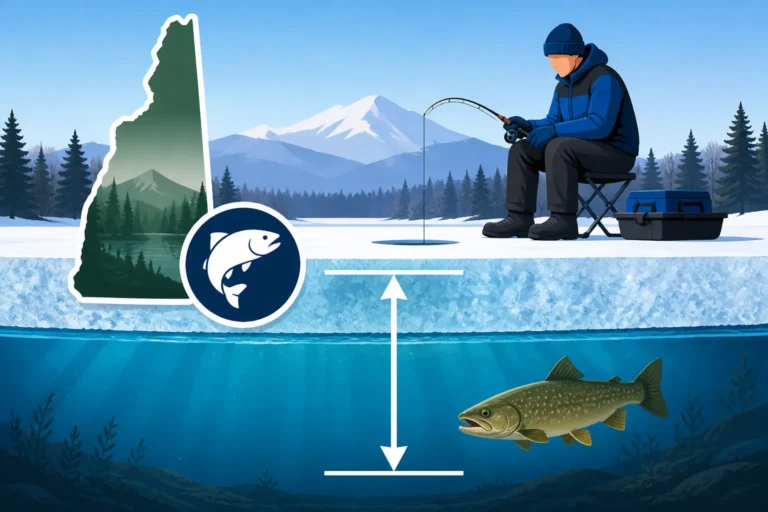
Newfound Lake transforms into a popular ice fishing destination during the winter months, offering unique opportunities to target lake trout and salmon through the ice. Beyond the increased line limit, there are crucial regulations concerning ice shanties or bob-houses. If you plan to use one, it typically needs to be registered with the NHF&G and must be removed from the ice by a certain date each spring (usually April 1st, but always confirm).
Most importantly, personal safety is paramount. The lake's deep nature and varied currents mean ice conditions can differ significantly across its surface. Always exercise extreme caution, check local ice conditions, and never assume ice is safe. Understanding these specific rules and safety guidelines is essential for a fun and compliant ice fishing experience.
Obtaining Your New Hampshire Fishing License
No matter how pristine Newfound Lake is or how well you know the regulations, you absolutely must possess a valid New Hampshire fishing license if you are 16 years of age or older. This is one of the most fundamental aspects of the New Hampshire Fishing Regulations Explained and is crucial for supporting conservation efforts.
Residency and License Types
New Hampshire offers a variety of license options to suit different anglers. For residents, you can purchase an annual license that covers the entire fishing season. Non-residents have the choice of an annual license or more flexible short-term options, typically available for 1-day, 3-day, or 7-day periods. These short-term licenses are particularly popular with vacationers or those just passing through who want to experience the state's fantastic fishing. If you've recently moved to New Hampshire or are an out-of-state college student, make sure you understand the specific New Hampshire fishing license residency requirements to purchase the correct license type and avoid any issues. Securing the appropriate license is your first step to a legal and enjoyable fishing trip.
Where to Purchase Your License
The easiest and most convenient way to purchase your New Hampshire fishing license is usually online through the official New Hampshire Fish and Game Department website. It's a straightforward process, and you can often print your license right from home. Additionally, you can buy licenses in person at various authorized license agents throughout the state. These typically include sporting goods stores like Kittery Trading Post or smaller local bait and tackle shops, as well as some town clerks' offices. For a step-by-step guide and more information on the process, check out How to Buy a Fishing License Online in New Hampshire. While you're preparing for your trip, if you're compiling your gear list, don't forget that Amazon is a great place to find essentials like tackle boxes, high-quality fishing line, or even specialized apparel for all weather conditions.
Navigating Newfound Lake's Boating Regulations
Many anglers choose to explore Newfound Lake by boat, whether it's a small fishing vessel, a kayak, or a larger pontoon. Therefore, a basic understanding of general New Hampshire Boating Laws for Anglers is just as important as knowing the fishing rules themselves.
Required Safety Equipment
Safety on the water is non-negotiable, and the state of New Hampshire has clear requirements for all vessels. Every boat, regardless of size, must carry enough U.S. Coast Guard-approved life jackets for everyone on board. Furthermore, all children under the age of 13 are legally required to wear a life jacket at all times while underway on any vessel. Depending on the size of your boat, you'll also need other essential safety equipment, which can include a fire extinguisher, a sound-producing device (like a whistle or horn), and visual distress signals. It's crucial to review the comprehensive Life Jacket Requirements for New Hampshire Boaters to ensure you're fully compliant. Many boaters find it convenient to purchase U.S. Coast Guard-approved safety equipment, from personal flotation devices to marine first-aid kits, online through retailers like Amazon.
Speed Limits and No-Wake Zones
Newfound Lake, like many popular lakes, has specific speed limits in place to ensure safety, minimize disturbance to wildlife, and prevent shoreline erosion. You'll typically find designated no-wake zones, especially near the shoreline, around swimming areas, public docks, and specific residential areas. In a no-wake zone, your boat must be operated at the slowest possible speed needed to maintain steerage, ensuring it creates minimal or no wake. Always be acutely aware of your surroundings, look out for any posted signs or buoys indicating speed restrictions, and operate your vessel responsibly. These rules are for everyone's benefit, promoting a peaceful and safe experience for all lake users.
Newfound Lake Key Fishing Regulations (Summary)
To help you keep track of the main points, here’s a quick summary of some of the key regulations for Newfound Lake. Remember, this is a simplified table, and detailed rules, especially regarding seasons and specific lengths, can have nuances. Always refer to the official NHF&G digest for the most current information.
| Species | Minimum Length | Daily Limit | Season (General) | Notes |
|---|---|---|---|---|
| Landlocked Salmon | 15 inches | 2 | January 1 – September 30 | Check specific opening/closing dates annually. |
| Lake Trout | 18 inches | 2 | January 1 – September 30 | Ice fishing popular; verify winter dates. |
| Rainbow Trout | None | 5 | Year-round | Regularly stocked; no length limit common. |
| Smallmouth Bass | 12 inches (varies) | 5 (varies) | May 15 – June 15 (Catch & Release Only); June 15 – Oct 15 (Harvest) | Strict New Hampshire Bass Limits and Slot Rules often apply. |
| Largemouth Bass | 12 inches (varies) | 5 (varies) | May 15 – June 15 (Catch & Release Only); June 15 – Oct 15 (Harvest) | Less common than smallmouth. |
| Other Trout Species | Varies | Varies | Varies | Always consult official digest for Brown Trout, Brook Trout, etc. |
Note: Regulations are subject to change. Always consult the official NHF&G Freshwater Fishing Digest for the most current and authoritative information before heading out on the water.
Disclaimer
The information provided in this guide is for general informational purposes only and is not intended to be legal advice. Fishing regulations in New Hampshire, particularly for specific water bodies like Newfound Lake, are subject to change. Always consult the most current official New Hampshire Fish and Game Department Freshwater Fishing Digest or their website before engaging in any fishing activities to ensure full compliance with all applicable laws and regulations.