New Hampshire bass daily limit
It’s incredibly frustrating when you’re just trying to enjoy a peaceful day on the water in New Hampshire, only to be bogged down by confusing fishing regulations. We’ve all been there, wondering if that beautiful bass you just caught is legal to keep or if you’ve already hit your daily quota. This guide is here to untangle the complexities of New Hampshire’s bass daily limit, providing clarity and confidence so you can focus on the thrill of the catch without fear of breaking the rules.
Understanding the General New Hampshire Bass Daily Limit
When we talk about the "daily limit" for bass in New Hampshire, it's essentially the number of fish you're allowed to harvest and keep in a single calendar day. This isn't just a random number; it's a carefully determined figure set by the New Hampshire Fish and Game Department to ensure sustainable fish populations for generations to come. Anglers often get hung up on what counts as a "day" or if they can catch more and just release them. Let's dive into the specifics.
Statewide Standard for Harvest
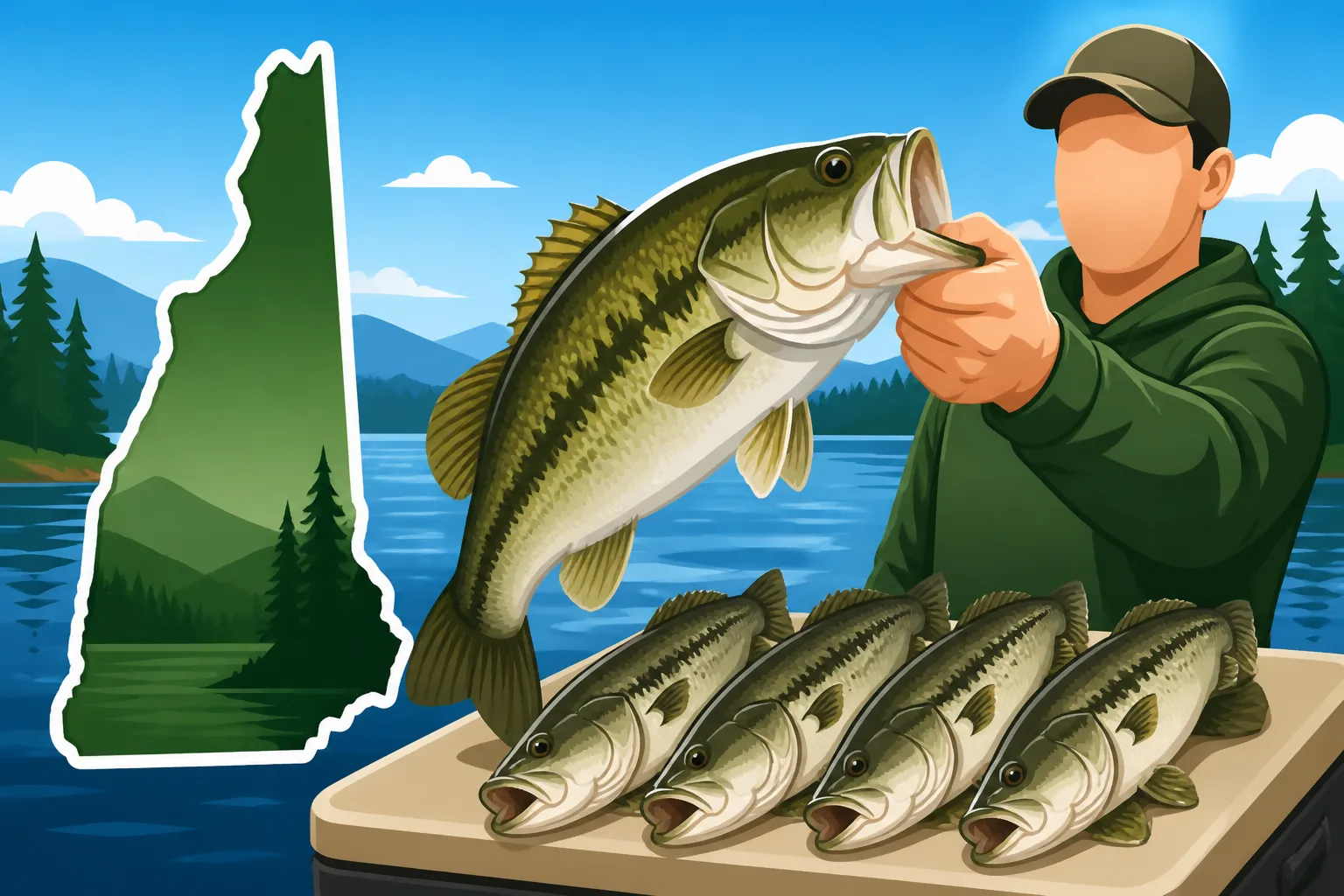
For most of New Hampshire's waters, the general daily limit for bass is five fish. This applies to both Largemouth and Smallmouth Bass combined. It doesn't mean five largemouth and five smallmouth; it means a total of five bass, regardless of species. So, if you catch three largemouth and two smallmouth, you've hit your daily limit. It’s important to understand that this limit resets at midnight. If you're out fishing from sunset until after midnight, your catches before midnight count towards one day, and any catches after midnight count towards the next day's limit. This is crucial for multi-day fishing trips or those late-night adventures.
This "five fish" rule is the bedrock for bass anglers across the Granite State, but it's vital to remember that "most waters" isn't "all waters." There are always exceptions, which we'll get into shortly. Think of this five-fish rule as your baseline, your starting point, for planning any bass fishing excursion. It keeps the pressure off the fish population, allowing more bass to grow to maturity and reproduce, ensuring a healthy ecosystem for everyone.
Why Limits Exist: Conservation Efforts
The daily limits aren't designed to make fishing harder or to annoy anglers; they are a fundamental tool in fisheries management and conservation. Without these limits, it would be far too easy for anglers to overharvest, especially during peak seasons or in easily accessible areas. Overharvesting can quickly deplete fish populations, leading to fewer fish, smaller fish, and ultimately, a decline in the quality of fishing for everyone.
New Hampshire Fish and Game employs biologists who constantly monitor bass populations, growth rates, spawning success, and angler catch rates. They use this data to adjust regulations to maintain a delicate balance. For instance, if a particular water body shows signs of declining bass numbers or an imbalance in size structure, regulations might be made more stringent. Conversely, if a population is thriving, the limits might remain stable. It's all about ensuring that bass populations remain robust and healthy, providing quality angling opportunities now and in the future. These efforts are part of a broader commitment to conservation, helping to protect not just bass, but the entire aquatic environment we all cherish.
Specific Regulations for Largemouth and Smallmouth Bass
While the general daily limit of five bass applies broadly, the devil is often in the details, especially when it comes to length restrictions and specific seasons. Ignoring these nuances can lead to citations, even if you’re under the daily fish count. It's not just how many you catch, but what size they are and when you catch them.
Length Limits and Slot Limits
New Hampshire fishing regulations often include minimum length limits for bass, meaning any bass caught under a certain size must be immediately released, regardless of your daily limit. For bass, the standard minimum length limit in many New Hampshire waters is 12 inches. This means a bass has to be at least a foot long to be considered a keeper. This regulation is particularly effective in protecting juvenile bass, allowing them to grow and mature before they can be harvested. It helps ensure that there are enough breeding-age fish to sustain the population.
Some water bodies might also implement "slot limits." This is a bit more complex. A slot limit protects fish within a specific size range, often the prime breeding-age fish. For example, a regulation might state that you can only keep bass under 12 inches or over 16 inches, but anything caught between 12 and 16 inches must be released. The goal here is to protect the middle-sized, highly reproductive fish, allowing them to contribute to future generations. Always carry a reliable tape measure or a measuring board on your boat or in your tackle bag, readily available from retailers like Amazon, to accurately measure your catch. It's a quick and easy way to stay compliant.
It's absolutely essential to check the specific regulations for the water body you plan to fish before you even cast a line. You can find detailed information in the official Reading the New Hampshire Freshwater Fishing Digest which is usually available as a New Hampshire freshwater fishing digest PDF online.
Catch-and-Release Season Considerations
New Hampshire has a distinct catch-and-release only season for bass, which typically runs from May 15th to June 15th. During this period, which coincides with the bass spawning season, all bass caught must be immediately released unharmed. No bass can be kept, regardless of size or whether you've hit your daily limit. This special season is critical for protecting bass during their most vulnerable time, allowing them to successfully reproduce and ensure the next generation of fish.
Anglers are encouraged to use techniques that minimize harm to the fish during this period. This includes using single, barbless hooks, avoiding prolonged handling, and keeping the fish in the water as much as possible. If you want to learn more about this crucial period, check out our guide on New Hampshire Bass Catch-and-Release Season, Explained. Once the catch-and-release season concludes, the regular daily and length limits typically resume. However, as always, verify the current year's dates and specific regulations, as they can occasionally shift.
Navigating Special Regulation Waters for Bass
It would be too easy if all waters had the same rules, right? But New Hampshire's diverse aquatic landscape means some lakes, ponds, and rivers have unique regulations that deviate from the statewide standard. These "special regulation waters" are put in place for specific conservation needs or to create unique fishing opportunities.
Identifying Local Exceptions
You might encounter waters with more restrictive daily limits (e.g., three bass instead of five), different length limits (e.g., a higher minimum size, or a different slot limit), or even year-round catch-and-release rules. For example, some heavily fished urban ponds might have stricter rules to prevent rapid depletion, while a remote, pristine pond known for trophy bass might have unique slot limits to cultivate larger fish.
These local exceptions are usually clearly outlined in the New Hampshire Freshwater Fishing Digest. Common examples of waters that often have special regulations include some of the larger, more popular lakes like Lake Winnipesaukee, Squam Lake, or certain stretches of the Connecticut River. Sometimes, even sections of a river can have different rules than another section just a few miles upstream or downstream. Always assume there might be a special regulation in effect, especially when fishing a new body of water. You don't want to accidentally incur a penalty because you assumed the statewide rule applied. It’s always better to be safe than sorry when it comes to fishing laws.
How to Check Specific Water Body Rules
The absolute best way to stay informed about specific water body rules is to consult the official New Hampshire Freshwater Fishing Digest. This publication is your bible for all things fishing regulations in the state. It's updated annually and provides a comprehensive list of all waters with special regulations, clearly detailing what those deviations are.
You can pick up a physical copy at any license vendor, like a local bait shop or sporting goods store, or you can often download the New Hampshire freshwater fishing digest PDF directly from the New Hampshire Fish and Game Department's website. They also have an online "where to fish" tool that can sometimes highlight specific regulations for particular lakes. Before heading out, especially if you’re visiting a new spot, take a few minutes to look up the specific rules for that lake, pond, or river. This simple step can save you a lot of hassle and potential fines. Being prepared with this information is just as important as having the right bait or the best fishing rod. Understanding New Hampshire Fishing Regulations Explained fully is key.
Common Misconceptions and How to Stay Compliant
Even experienced anglers can sometimes get tripped up by the nuances of fishing regulations. It's easy to misunderstand a term or overlook a small detail, but being proactive about understanding these rules is your best defense against unintentional violations.
The "Possession Limit" Distinction
One of the most common areas of confusion is the difference between a "daily limit" and a "possession limit." While the daily limit dictates how many fish you can harvest in one calendar day, the "possession limit" refers to the total number of fish you can have in your possession at any given time, whether that's in your cooler, your boat, your vehicle, or at home. In New Hampshire, the possession limit for bass is generally the same as the daily limit: five fish.
However, this becomes particularly important if you are on a multi-day fishing trip where you're staying overnight away from home. If you catch your limit on Monday and keep them, and then go out fishing again on Tuesday, you cannot catch more bass on Tuesday and add them to your cooler if you still have Monday's catch. Your total number of bass in possession cannot exceed the five-fish limit. This means if you want to keep fish over multiple days, you need to consume or give away the previous day's catch before heading out again. This rule prevents anglers from accumulating large quantities of fish over several days, putting less strain on the fish population. Many anglers will process their fish nightly to ensure they remain compliant.
Tools and Resources for Anglers
Staying compliant with New Hampshire's fishing regulations is easier than you might think, especially with the wealth of resources available to anglers.
- New Hampshire Fish and Game Website: This is your primary online resource. It offers the latest digest, stocking reports, and news on regulation changes. Always check here for the most up-to-date information.
- Official Freshwater Fishing Digest: As mentioned, this is indispensable. Carry a digital or physical copy with you. You can often find a current version on the Fish and Game website or even printed versions at places like bait and tackle shops.
- Measuring Devices: A good fish ruler or tape measure is non-negotiable. There are many compact, easy-to-read options available through retailers like Amazon that can be permanently mounted to your boat or stored conveniently in your tackle box. Make sure it's accurate!
- Fishing License: Always have your current New Hampshire Fishing License Guide for 2026 in possession when fishing. While not directly related to limits, fishing without one is a surefire way to run into legal trouble. You can get yours online or through various vendors.
- Local Bait and Tackle Shops: These shops are goldmines of information. Owners and employees are often avid local anglers and can provide invaluable, up-to-date information on specific local regulations, hot spots, and even tips on How to Catch Smallmouth Bass in New Hampshire Lakes or How to Catch Largemouth Bass in New Hampshire.
- Apps: Some third-party fishing apps offer access to regulations, maps, and other helpful tools. While convenient, always cross-reference critical information with official Fish and Game sources.
Here's a quick summary table of common bass regulations for New Hampshire, but remember, always double-check the current digest for specific waters.
| Regulation Type | Statewide Standard (Generally) | Notes |
|---|---|---|
| Daily Limit (Combined) | 5 Bass | Total of 5 Largemouth and Smallmouth Bass combined per calendar day. Resets at midnight. |
| Possession Limit | 5 Bass | Total number of bass you can have in your possession at any given time. |
| Minimum Length Limit | 12 inches | Any bass under 12 inches must be immediately released. Check for water-specific length/slot limits. |
| Catch-and-Release Season | May 15 – June 15 | All bass caught during this period must be immediately released. No harvest allowed. Dates can vary slightly. |
Disclaimer: This table provides general information. Always consult the most current New Hampshire Freshwater Fishing Digest for exact and up-to-date regulations for specific waters and seasons.
Remember, the goal is to enjoy the amazing bass fishing opportunities New Hampshire offers while being a responsible and ethical angler. Knowing these rules helps ensure that both you and the fish thrive! You can also find more information about New Hampshire Bass Limits and Slot Rules for a deeper dive. And don't forget to explore our guide on Best Bass Fishing Lakes in New Hampshire for some fantastic spots to put your knowledge to good use!
Final Thoughts on Responsible Bass Angling
It's easy to feel overwhelmed by the details of fishing regulations, but at its heart, it's all about responsible angling. When you understand the New Hampshire bass daily limit and the reasons behind it, you contribute to a healthier fishery. Whether you're chasing trophy largemouth or targeting feisty smallmouth, knowing your limits and adhering to them is part of the sport. Make sure you've got all your gear, including that all-important measuring tape, perhaps one you picked up from Amazon, and the current digest downloaded to your phone. We want to see those bass thriving for years to come, and your careful attention to these rules makes all the difference.
Disclaimer
The information provided in this guide is for general informational purposes only and is subject to change. While we strive to provide accurate and up-to-date content, fishing regulations are regularly reviewed and updated by the New Hampshire Fish and Game Department. Always consult the official New Hampshire Freshwater Fishing Digest or the NH Fish and Game website for the most current and legally binding regulations before engaging in any fishing activity. Non-compliance with fishing laws can result in fines and penalties.