When New Hampshire bass season reopens for harvest
There's often a lot of confusion, and frankly, a bit of frustration, among anglers in New Hampshire when it comes to bass fishing. You hear whispers about "catch-and-release only" and then suddenly, everyone's talking about keeping fish again. It can be tough to keep track, especially if you're eager to bring some fresh bass home for dinner. This comprehensive guide is here to clear up all that uncertainty, pinpointing exactly when New Hampshire's bass harvest season reopens and detailing everything you need to know to fish legally and successfully.
Understanding New Hampshire's Bass Fishing Seasons
New Hampshire has a distinct and often debated approach to its bass fishing seasons, designed primarily to protect these popular game fish during their most vulnerable time: spawning. This phased approach means that while you can fish for bass for a significant portion of the year, there are specific periods when the rules change. It’s crucial for every angler to understand these transitions to ensure they’re always fishing within the law and contributing to the health of our bass populations.
The Catch-and-Release Only Period
Before the harvest season begins, New Hampshire implements a crucial catch-and-release only period for both largemouth and smallmouth bass. This period typically kicks off on January 1st and runs all the way through June 14th each year. Imagine standing on the shore of Lake Winnipesaukee in April, watching a massive smallmouth guarding its nest in the shallows. Your lure might tempt it, and you might even land it, but during this time, every bass caught must be immediately and carefully released back into the water. The reasoning is sound: bass are most vulnerable during their spawning cycles. Protecting them during this critical time ensures that future generations of bass thrive, keeping our lakes and rivers healthy and productive for years to come.
Many anglers find this period a real test of patience. You might hook into a trophy-sized fish, perhaps even a personal best, only to know you can't officially "harvest" it. This period, often detailed further in resources like "New Hampshire Bass Catch-and-Release Season, Explained", is fundamental to the state's conservation efforts. It means practicing good fish handling techniques is paramount. Wet your hands before touching the fish, use barbless hooks if possible, and release the fish quickly and gently to maximize its chances of survival. It's a true test of an angler's commitment to the sport's future, prioritizing the fishery over immediate gratification.
When the Harvest Season Officially Begins
The moment many New Hampshire bass anglers eagerly await arrives sharply on June 15th. On this date, the catch-and-release only restriction is lifted, and the harvest season officially opens for both largemouth and smallmouth bass across most of the state's waters. This is the green light to not only enjoy the thrill of catching bass but also to legally keep them, provided you adhere to the specific bag and size limits. From June 15th right through to December 31st, anglers can enjoy the full spectrum of bass fishing, from early summer topwater explosions to late fall jigging for deeper fish, with the option to take home their catch.
The reopening of the harvest season marks a significant shift in fishing strategy and excitement. Boats suddenly become more active on popular bass lakes like Squam Lake and Pawtuckaway Lake, and shore anglers flock to accessible spots, knowing that a successful outing could mean fresh bass fillets on the dinner table. This transition usually coincides with warmer water temperatures, active baitfish, and aggressive bass that are well into their post-spawn recovery and feeding patterns. Knowing this exact date is key to planning your summer and fall fishing adventures. For a complete overview of all the species you might encounter, and the rules around them, check out the "New Hampshire Fishing Season Dates and Closures" guide.
Navigating Bass Regulations Beyond the Season Dates
Understanding when you can keep bass is just the first step. New Hampshire's Fish and Game Department has a robust set of regulations that govern not just when you can harvest, but also how many and what size of fish you can retain. These rules are put in place to ensure that the bass populations remain sustainable and that there are plenty of fish for everyone to enjoy for years to come. Ignoring these regulations, even accidentally, can lead to stiff penalties, so it's always worth taking the time to truly understand them.
Daily and Possession Limits for Bass
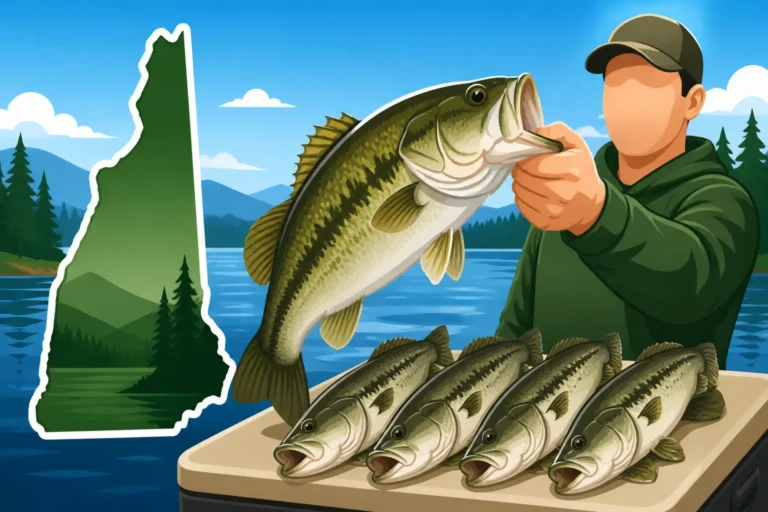
Once the harvest season reopens on June 15th, anglers are subject to specific daily and possession limits for bass. For most waters in New Hampshire, the daily limit for bass (which includes both largemouth and smallmouth combined) is 5 fish per person. This means that in a single day, you cannot catch and keep more than five bass. The possession limit is usually the same as the daily limit, meaning you cannot have more than five bass in your cooler, on your boat, or in your vehicle at any given time, regardless of how many days you've been fishing.
Let's say you're out on Lake Winnisquam, and you catch three nice smallmouth in the morning. You decide to take a break for lunch and head back out in the afternoon. You can still catch and keep two more bass to reach your daily limit. However, if you're checked by a conservation officer, having six bass, even if caught on different days, would put you over the possession limit. It's vital to be mindful of your count, especially on multi-day trips or if you're fishing with friends and pooling your catch. These limits are part of the broader "New Hampshire Bag and Possession Limits by Species" and are designed to prevent overfishing and distribute the harvest fairly among all anglers.
Minimum Length Requirements and Slot Limits
In addition to bag limits, New Hampshire also enforces minimum length requirements for bass. For both largemouth and smallmouth bass, the statewide minimum length is 12 inches. This means any bass you decide to keep must measure at least 12 inches from the tip of its nose to the end of its tail (with the tail compressed). Fish shorter than this must be immediately released unharmed. This regulation is particularly important because it allows younger fish to grow to maturity and contribute to the spawning population before being harvested, which is crucial for the long-term health of the fishery.
While New Hampshire does not currently implement a statewide "slot limit" for bass, where fish within a certain size range must be released (a common regulation in other states), it's always, always a good idea to consult the most current "New Hampshire Freshwater Fishing Digest PDF". Special regulations can apply to specific water bodies or change from year to year, and it’s the angler’s responsibility to know the rules for the particular body of water they are fishing. A helpful tool for specific species is the "New Hampshire Smallmouth Bass Minimum Length Limit" guide. Measuring a fish accurately requires a reliable ruler or measuring board. It's a small piece of gear but absolutely essential. Remember, when in doubt, release the fish. It's better to be safe than sorry when it comes to preserving our natural resources and avoiding potential fines.
Here’s a quick overview of the key bass regulations in New Hampshire:
| Season Phase | Dates | Catch Limit | Size Limit | Notes |
|---|---|---|---|---|
| Catch-and-Release Only | Jan 1 – June 14 | 0 (All released) | N/A | Protects spawning bass |
| Harvest Season | June 15 – December 31 | 5 fish per person | 12 inches min. | Both largemouth and smallmouth combined |
| Statewide Exceptions | Always check | Varies by water body | Varies by water body | Refer to NH Fish and Game Digest |
Essential Tips for a Successful New Hampshire Bass Harvest Season
With the bass harvest season reopening, it’s time to shift gears from observation to active pursuit. New Hampshire's diverse waters, from the sprawling lakes of the Lakes Region to the smaller ponds in the southern part of the state, offer fantastic opportunities for bass anglers. However, success isn't just about showing up; it's about preparation, knowing where to look, and practicing ethical angling.
Gear Up for Early Season Bass
When June 15th rolls around, bass are generally in a post-spawn or early summer feeding pattern. They're often still relatively shallow, relating to cover, but starting to move towards deeper structure as water temperatures rise. This makes it a fantastic time to use a variety of lures. For topwater action, think about poppers, walk-the-dog baits like a Heddon Super Spook, or buzzing frogs around lily pads in the morning and evening. These can trigger explosive strikes that are absolutely thrilling.
As the sun gets higher, bass often retreat to deeper cover. Jigs, especially Texas-rigged worms or creature baits, become incredibly effective when pitched into submerged brush, under docks, or along weed lines. Crankbaits that mimic baitfish can also be deadly when retrieved along rocky points or over deep flats. Don't forget spinnerbaits for covering water quickly and probing different depths. Having a versatile tackle box is crucial, and if you're looking to stock up on a wide array of options, Amazon is a great place to browse for everything from soft plastics to hard baits, often with reviews from other anglers that can guide your choices. Remember, different bass species, like largemouth and smallmouth, might prefer slightly different presentations. You can dive deeper into specific tactics with guides like "How to Catch Largemouth Bass in New Hampshire" or "How to Catch Smallmouth Bass in New Hampshire Lakes."
Locating Prime Bass Waters After Reopening
New Hampshire boasts an incredible array of bass fishing opportunities. From the large, deep, clear lakes that hold big smallmouth to the shallower, weedy ponds that are home to chunky largemouth, there’s a spot for every angler. When the harvest season reopens, focus your efforts on areas where bass will be actively feeding. For largemouth, target shallow coves with plenty of weed growth, lily pads, fallen trees, and docks. These areas provide both cover and ambush points for their prey. Lakes like Pawtuckaway Lake, Lake Massabesic, and Bow Lake are renowned for their largemouth populations.
For smallmouth bass, look for rocky points, humps, ledges, and transition areas where hard bottom meets soft bottom. Smallmouth are often found in clearer, deeper lakes and tend to relate more to structure than dense cover. Lake Winnipesaukee, Newfound Lake, and Lake Sunapee are prime smallmouth destinations, offering vast expanses of ideal habitat. Don't overlook river systems like the Merrimack River and Connecticut River, which also hold excellent bass populations. Always make sure you have your "New Hampshire Fishing License Guide for 2026" on hand, and you might even consider getting a "New Hampshire resident fishing license cost 2026" if you're a local. Remember to scout these locations, pay attention to current fishing reports, and use a good map or fish finder to identify promising underwater features. If you need any accessories like a new fish finder or a tackle bag, you can often find competitive prices and a vast selection on Amazon. For a more detailed breakdown of prime locations, refer to our guide on the "Best Bass Fishing Lakes in New Hampshire."
Ethical Angling and Conservation Practices
Being able to harvest bass is a privilege, and it comes with the responsibility of practicing ethical angling and conservation. While the harvest season permits you to keep fish, it doesn't mean you have to keep your limit every time. Consider keeping only what you intend to eat and releasing the rest, especially larger breeding-size fish that contribute significantly to the population's genetics. A healthy bass fishery depends on responsible practices from all of us.
When keeping fish, dispatch them quickly and humanely. For fish you intend to release, handle them with extreme care. Minimize their time out of the water, support their body weight, and avoid touching their gills. Using tools like a good pair of fishing pliers, which you can easily find on Amazon, can make hook removal quicker and less stressful for the fish. Always be aware of and follow all "New Hampshire Fishing Regulations Explained" to the letter. This includes having your fishing license readily available, whether it's a physical copy or a digital one, as outlined in "Printing or Carrying a Digital Fishing License in New Hampshire." By adhering to these principles, you help ensure that the thrill of bass fishing in New Hampshire remains vibrant for generations to come.
Disclaimer
Please note that fishing regulations are subject to change by the New Hampshire Fish and Game Department. While every effort has been made to provide accurate and up-to-date information, it is the angler's responsibility to consult the most current official New Hampshire Freshwater Fishing Digest or the NH Fish and Game website before heading out on the water. This article is intended for informational purposes only and does not constitute legal advice.