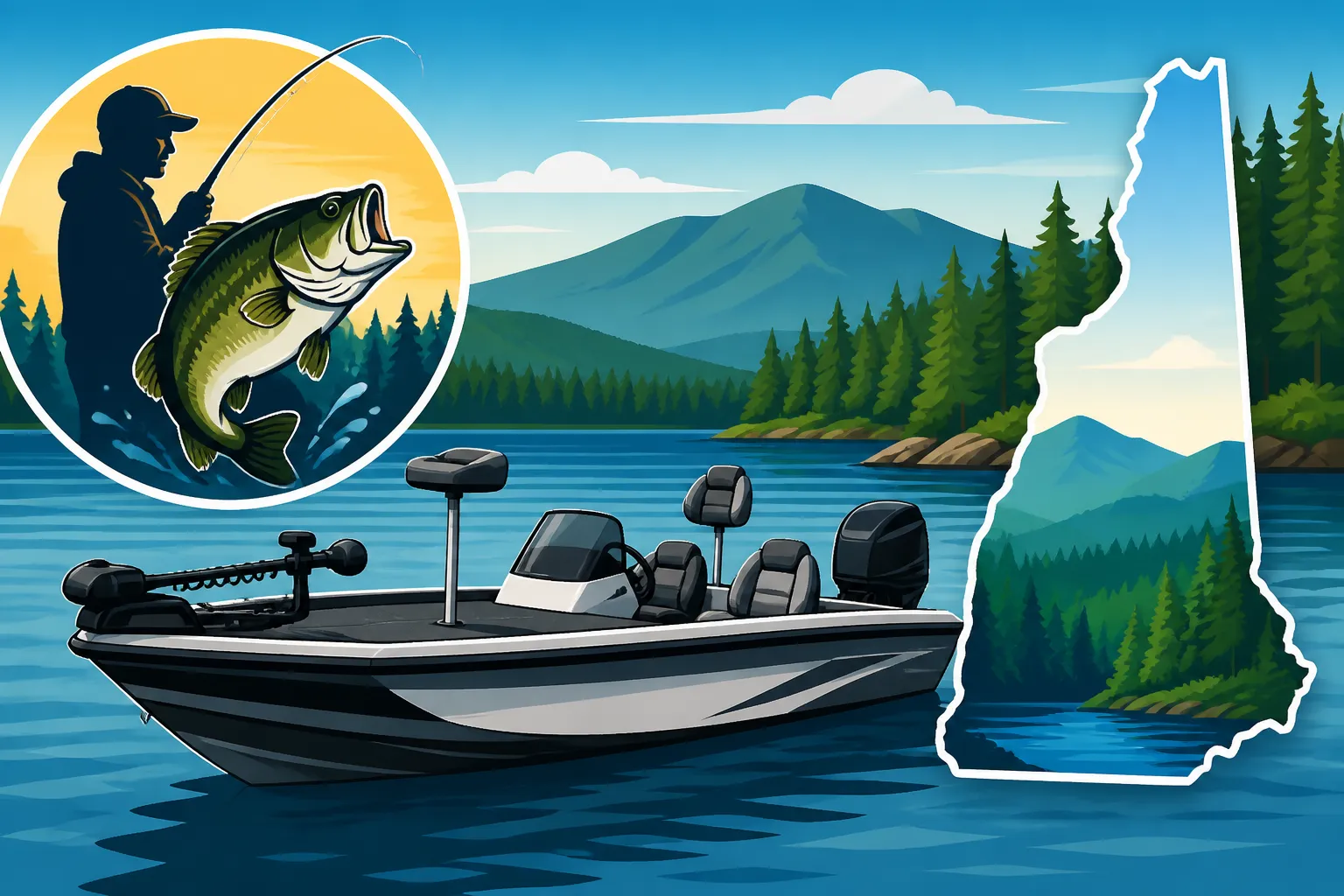
Best used boat to buy for lake fishing
Feeling the itch to get out on the water, but balking at the price tag of a brand-new fishing boat? You're not alone. Many passionate anglers in New Hampshire dream of cruising crystal-clear lakes or navigating winding rivers in their own vessel, only to be stopped by the sticker shock of a showroom model. This guide is here to help you navigate the used boat market, ensuring you find the perfect pre-loved craft to get you reeling in those Granite State catches without breaking the bank.
Why Consider a Used Boat for New Hampshire Lake Fishing?
Opting for a used boat in New Hampshire makes a tremendous amount of sense for a lot of anglers. It’s not just about saving money upfront; it’s about smart financial planning and often getting more boat for your buck than you ever could with a brand-new purchase.
Cost Savings and Value Retention
New boats, much like new cars, experience significant depreciation the moment they leave the dealership lot. This immediate drop in value can be quite steep, making a new purchase a less-than-ideal investment if you're concerned about long-term value. When you buy a used boat, someone else has already absorbed that initial depreciation hit. This means you can often find a boat that's only a few years old, in excellent condition, with all the features you desire, at a fraction of its original cost.
Imagine you have a set budget – say, enough for a basic new boat. By looking at the used market, you might find a larger boat, one with a more powerful engine, or perhaps one already outfitted with accessories like a trolling motor, a fish finder, or a quality sound system, all within that same budget. It’s like getting an upgrade without paying extra. This saved money can then be put towards important things like fuel, tackle, or even a weekend fishing trip to a new lake. This kind of value retention means that if you ever decide to sell the boat down the line, you're less likely to take a major financial hit.
Understanding the Used Market in New Hampshire
New Hampshire's extensive network of lakes and rivers means there's a vibrant used boat market. From the expansive waters of Lake Winnipesaukee and Squam Lake to the smaller, quieter ponds scattered across the state, anglers are always upgrading or changing their setups. This constant flow means a good selection of used boats is usually available. You’ll find listings through local marine dealers, private sellers on online classifieds, and even specialized boat brokerage services.
The types of boats you'll encounter often reflect the popular fishing styles and water bodies here. You might see a lot of aluminum fishing boats perfect for a variety of conditions, or perhaps larger runabouts from families upgrading to bigger cruisers. Popular lakes like Newfound Lake or Lake Winnipesaukee, known for their deep-water species, tend to have more robust fishing boats designed for those conditions. Online marketplaces are a fantastic starting point for research. While you might not buy the boat itself through them, sites like Amazon offer a vast selection of accessories, from safety gear to electronics, giving you an idea of what upgrades might be available or what costs to expect for outfitting a used boat. Checking both local listings and broader online platforms can help you gauge what's available and what a fair price looks like for the condition and features you're seeking.
Types of Used Boats Ideal for New Hampshire Lakes
New Hampshire's diverse waterways, from vast lakes to meandering rivers, call for different types of fishing vessels. When looking at the used market, understanding which boat type best suits your fishing style and preferred locations is key.
Versatile Jon Boats and Utility Boats
Jon boats and other utility boats are the workhorses of the fishing world. Typically flat-bottomed and made of aluminum, they are incredibly versatile, durable, and relatively easy to maintain. Their shallow draft makes them ideal for accessing smaller ponds, coves, and river stretches that deeper-V boats can’t reach. If your fishing adventures take you to a variety of waters, from the smaller, less-trafficked ponds to the protected coves of larger lakes, a used jon boat could be a perfect fit.
These boats are often powered by smaller outboard motors, making them fuel-efficient and simple to operate. They’re also relatively lightweight, meaning they can be easily launched from unimproved ramps or even by hand in some areas. For anglers targeting bass, pickerel, or panfish in many of New Hampshire’s smaller lakes and ponds, a jon boat offers incredible flexibility. You can rig them simply for basic fishing or outfit them with a trolling motor, depth finder, and comfortable seats for a more refined experience. They're excellent for those calm days when you're just exploring new spots or introducing a youngster to the joys of angling. Plus, the robust nature of aluminum means they handle the occasional bump or scrape with grace, which is a real plus if you're new to boating or exploring less-charted waters.
Aluminum Deep-V Boats Fishing Machines
For those who frequent larger New Hampshire lakes like Winnipesaukee, Squam, or Sunapee, where conditions can change quickly and the water can get choppy, an aluminum deep-V boat is often the preferred choice. These boats are designed with a V-shaped hull that cuts through waves, providing a smoother, drier ride than a flat-bottomed boat. This design also offers excellent stability when trolling or drift fishing in open water, which is crucial when you're pursuing species like lake trout and landlocked salmon in deeper sections.
Many used deep-V boats are purpose-built fishing machines. They come equipped with features that serious anglers appreciate, such as spacious livewells to keep your catch healthy, ample rod storage, larger casting decks, and often more powerful outboard engines. These boats allow you to cover more water efficiently, troll at precise speeds, and confidently handle various weather conditions that larger lakes can throw at you. A used deep-V often comes with a history of being well-maintained by its previous owner, who likely loved fishing as much as you do. They're a staple on the bigger water bodies because they offer that critical combination of seaworthiness and fishing functionality. These boats are particularly well-suited for targeting species in those vast, open waters. Lake Winnipesaukee Lake Trout Fishing
Fiberglass Bass Boats and Multi-Species Rigs
If speed, specialized bass fishing features, and a smoother, quieter ride are high on your priority list, then a used fiberglass bass boat or multi-species rig might be what you're looking for. Fiberglass boats tend to offer a more cushioned ride and are often faster than their aluminum counterparts, allowing you to quickly get to your favorite spots, whether that's a distant cove on Lake Winnipesaukee or a tournament hotspot on Pawtuckaway Lake.
These boats are typically designed with large casting decks, powerful trolling motors, multiple livewells, and integrated electronics like GPS and fish finders. They are built for serious anglers who spend long hours on the water, meticulously working structure for trophy bass. Multi-species rigs, while still often fiberglass, offer a bit more versatility for tackling other species beyond just bass, often with higher gunwales and more open cockpits. While their initial cost, even used, can be higher than aluminum boats, and they might require a bit more maintenance, the comfort, performance, and specialized features can be a game-changer for dedicated anglers. Finding a used one can be a fantastic way to step into a high-performance fishing vessel without the top-tier new boat price. For anglers focused on catching specific species, these boats offer unparalleled advantages. How to Catch Smallmouth Bass in New Hampshire Lakes
Small Pontoon Boats for Family Fishing
Sometimes, fishing isn't just about the pursuit of the catch; it's about the experience, the company, and the sheer joy of being on the water with loved ones. If your vision of a perfect day includes bringing the whole family or a group of friends along for a relaxed fishing trip, a used small pontoon boat could be an excellent choice for New Hampshire's calmer lakes and larger ponds.
Pontoon boats offer unmatched stability, abundant deck space, and comfortable seating, making them ideal for leisurely cruises and casual fishing. Kids can move around safely, there's plenty of room for coolers, picnic baskets, and multiple fishing rods, and the open design fosters a social atmosphere. While not built for speed, they are perfect for anchoring in a quiet cove, dropping a line for panfish, or slow-trolling for a variety of species. Many used pontoons come equipped with bimini tops for shade, swim ladders for a refreshing dip, and even small tables for snacks. They're fantastic for creating lasting family memories on the water. Because many owners eventually upgrade to larger pontoons, there's often a good selection of smaller, well-maintained used models available that are perfect for getting started in family-friendly boating and fishing.
What to Look for When Inspecting a Used Fishing Boat
Buying a used boat is a lot like buying a used car: you need to be thorough in your inspection to avoid unforeseen headaches down the road. It's easy to get excited about a potential purchase, but a careful, systematic check can save you a lot of money and regret.
The Hull and Transom: The Foundation
The hull is the primary structure of the boat, and its condition is paramount. For aluminum boats, look for obvious dents, deep scratches, or patches from previous repairs. While minor cosmetic dings are normal for a used boat, significant damage could indicate structural issues or a boat that’s been subjected to hard use. Pay close attention to the welds or rivets, ensuring there are no signs of leaks or stress cracks.
For fiberglass boats, the inspection is slightly different. Look for "spider cracks" or "gelcoat crazing," which are fine lines in the outer finish. While some are merely cosmetic, extensive cracking, especially in high-stress areas like corners or around fittings, could point to structural flex or impact damage. Feel for any soft spots on the hull or deck, which might indicate water intrusion and core rot – a very expensive repair.
The transom, the flat section at the back where the engine mounts, is one of the most critical areas. For both aluminum and fiberglass boats, a failing transom is a serious problem. Check for any signs of cracking, flexing, or rot. Stand on the anti-cavitation plate of the engine and bounce a little; if the transom flexes excessively or you hear creaking, walk away. Water intrusion can cause the wood core of a transom to rot, weakening it and making it unsafe, especially with a heavy outboard motor. A thorough check here can prevent a catastrophic failure on the water.
Engine Condition: The Heart of the Boat
The engine is often the most expensive component of a boat, so its condition is crucial. Whether it's an outboard, inboard, or sterndrive, start by visually inspecting it. Look for obvious oil leaks, corrosion, especially around wiring and bolts, and any signs of freshwater or saltwater flushing (or lack thereof). Pull the dipstick to check the oil level and color – milky oil suggests water intrusion.
If possible, insist on a cold start and a test run. Listen for unusual noises like knocking, grinding, or excessive smoke. Check the propeller for dings, bends, or missing pieces, as propeller damage can indicate hard impacts or neglected maintenance. The lower unit oil should also be checked for milky consistency, which suggests a bad seal and water getting into the gearcase. Always ask for service records; a history of regular maintenance is a huge green flag. If the seller can't provide them, or if the engine seems neglected, consider the potential cost of repairs. A mechanic's inspection, especially for larger or more complex engines, is a wise investment before purchase.
Electrical Systems and Accessories
Modern fishing boats, even older ones, rely heavily on their electrical systems. Before you buy, methodically test every electrical component: navigation lights (bow and stern), anchor light, bilge pump (manual and automatic settings), livewell pump, aerator, and any accessories like trim tabs, depth finders, or trolling motors. Look for loose or corroded wiring, amateurish splices (often wrapped in electrical tape), or any exposed wires. These can indicate neglect and pose safety hazards or lead to frustrating intermittent failures.
Ensure the battery (or batteries) holds a charge and is properly secured. Check the fuse panel to make sure all fuses are present and correctly rated. While some accessories, like a dated fish finder, might be easily upgraded later (and you can find great deals on new ones from retailers like Bass Pro Shops or online), fundamental systems like bilge pumps and navigation lights need to be fully functional for safety and compliance. A well-maintained electrical system suggests the previous owner took pride in their vessel.
Trailer Condition: Don't Forget It!
It's easy to get caught up inspecting the boat and forget the trailer, but a faulty trailer can turn your new acquisition into a huge headache. The trailer is what gets your boat to and from the water, so its condition is paramount for safety and convenience.
Start with the tires: check for wear, dry rot (cracking in the sidewalls), and proper inflation. Bearings are another critical component; listen for grinding noises when spinning the wheels, and check for excessive play. Inspect the frame for rust, especially at welded joints, and any signs of bending or cracks. The winch and strap should be in good working order, with no fraying on the strap. Test all the trailer lights – brake lights, turn signals, and running lights – as faulty lighting is a common reason for traffic stops. Finally, check the tongue jack and safety chains. Factor in the cost of any necessary trailer repairs or replacements when evaluating the boat's overall price. A boat might be a steal, but if you need to spend hundreds or even thousands on a new trailer, that "deal" quickly disappears.
| Boat Type | Pros for NH Lake Fishing (Used) | Cons for NH Lake Fishing (Used) | Ideal For |
|---|---|---|---|
| Jon Boats/Utility Boats | Affordable, durable, shallow draft for accessing small areas, easy to transport/launch, fuel-efficient. | Can be less stable in choppy water, limited features, less comfortable for long trips. | Small ponds, calm rivers, coves, panfish, casual bass fishing. |
| Aluminum Deep-V Boats | Excellent stability in choppy water, versatile for various species, good for trolling, robust. | Heavier than jon boats, can be pricier, may not access very shallow areas. | Larger lakes (Winnipesaukee, Squam), lake trout, salmon, diverse fishing. |
| Fiberglass Bass Boats | High performance, fast, smooth ride, specialized bass features (livewells, casting decks). | Higher cost (even used), more fuel consumption, can be more complex to maintain, less versatile. | Serious bass anglers, tournaments, covering large areas quickly. |
| Small Pontoon Boats | Unmatched stability, abundant space, comfortable for families/groups, safe for kids, leisurely fishing. | Slower speeds, not ideal for rough conditions, less maneuverable in tight spots. | Family outings, relaxed fishing, social trips on calmer lakes. |
Navigating the Purchase Process and Essential Checks
Once you’ve found a boat that catches your eye and passes your initial inspection, there are still a few critical steps to ensure a smooth and safe purchase. This isn't just about handing over money; it's about making a secure investment and preparing for life on the water.
Researching Market Value
Before making an offer, do your homework on the boat’s market value. Don't just rely on the seller's asking price. Look for comparable boats (same make, model, year, engine, condition, and similar features) listed by other private sellers and dealers in New Hampshire and surrounding states. Online classifieds, forums, and even auction sites can provide a good baseline. Reputable boat valuation guides can also give you an estimate of the boat's worth, though these should always be adjusted for local market conditions and the boat's actual condition.
Consider the "four C's": Condition, Components, Current market, and Competition. Is the boat in excellent shape, or does it need significant work? What kind of engine, electronics, and other accessories are included? What are similar boats currently selling for, and how many are available? Knowing these factors will empower you to negotiate effectively and ensure you're not overpaying. It also helps you identify if a deal is too good to be true, which can sometimes be a red flag.
Due Diligence and Paperwork
This is arguably the most crucial step. First, verify the Hull Identification Number (HIN) on the boat against the HIN on the title or registration. These numbers must match exactly. The HIN is typically found on the starboard side of the transom. A mismatch could indicate a stolen boat or a fraudulent title.
Next, ensure the seller has a clear title for the boat and the trailer (if applicable). In New Hampshire, most boats over 16 feet or with engines over 25 horsepower require a title. Trailer titling requirements can vary by weight. Without a clear title, you won't be able to register the boat in your name. You can also contact the New Hampshire Department of Motor Vehicles or Marine Patrol to perform a lien check, ensuring there's no outstanding debt on the boat. New Hampshire Boat Registration Requirements For more expensive or complex boats, consider hiring a certified marine surveyor. They can conduct a thorough inspection of the hull, engine, and all systems, identifying any hidden issues you might have missed. Finally, always get a detailed bill of sale signed by both parties, including the HIN, engine serial number, agreed-upon price, and date of sale. This protects both you and the seller.
Budgeting Beyond the Purchase Price
Buying the boat is just the first expense. Many new boat owners overlook the ongoing costs, which can quickly add up. First, you’ll need to factor in registration fees with the New Hampshire Department of Safety. Your boat will also require insurance, both for liability and hull coverage, similar to car insurance. Premiums will vary based on the boat’s value, your boating experience, and where you store it.
Storage is another consideration. Do you have space at home, or will you need to rent a slip at a marina or a spot in a storage facility? Marinas often charge by the foot, and storage yards might have seasonal rates. Don't forget maintenance costs: annual engine service, winterization, cleaning supplies, and occasional repairs. You'll also need essential safety gear, such as life jackets, which are legally required for every person on board. Retailers like Bass Pro Shops and online stores offer a wide range of Coast Guard-approved life jackets. Life Jacket Requirements for New Hampshire Boaters Other safety essentials include fire extinguishers, signaling devices, and a first-aid kit. Finally, there's fuel! Boating can be quite fuel-intensive, so factor in those costs for every outing. By anticipating these additional expenses, you'll have a much more realistic picture of the true cost of boat ownership and can budget accordingly, ensuring your time on the water is stress-free and enjoyable.
Disclaimer
This article is for general informational purposes only and does not constitute professional advice. Laws, prices and regulations vary by location and change over time. Consult a qualified professional for guidance on your specific situation.