Resident vs Nonresident Fishing License Costs in New Hampshire
Trying to figure out the exact cost of a New Hampshire fishing license can be surprisingly tricky, especially when you're trying to decipher whether you qualify as a resident or a nonresident. The rules aren't always crystal clear, and the financial difference can be substantial, leading to frustration for many anglers just wanting to enjoy our beautiful waters. This comprehensive guide will walk you through the nuances of resident versus nonresident fishing license costs, helping you understand the requirements and choose the right permit for your adventures in the Granite State.
Understanding New Hampshire Residency for Anglers
Before you even look at a price tag, the most critical step is to understand what truly qualifies you as a New Hampshire resident in the eyes of the New Hampshire Fish and Game Department. This isn't just about where you sleep; it's about establishing a legal and continuous presence in the state. Getting this wrong can lead to serious headaches and unnecessary expenses.
What Qualifies as a Resident
To purchase a New Hampshire resident fishing license, you generally need to have established a domicile in New Hampshire and have continuously resided here for at least six consecutive months. Domicile means your permanent home, the place you intend to return to whenever you're away. It’s more than just owning property or vacationing here; it's about making New Hampshire your primary place of residence.
For example, if you live in Massachusetts but own a vacation home on Lake Winnipesaukee, you would not qualify as a resident for licensing purposes, even if you spend significant time at your lake house. Your primary domicile remains in Massachusetts. The state wants to ensure that those benefiting from resident rates are truly contributing to the state's tax base and community over a sustained period. This distinction helps fund local conservation efforts and management programs that residents ultimately support through other means.
Common Residency Misconceptions
It’s easy to get caught up in common misunderstandings when it comes to residency. One frequent misconception is that simply having a New Hampshire driver's license or registering a vehicle here automatically makes you a resident for all purposes. While these are strong indicators, they aren't the sole determining factors for Fish and Game. They look for a preponderance of evidence.
Another mistake people often make is assuming that attending college in New Hampshire automatically confers residency. While students might reside in the state for several months, if their permanent home and parental domicile are elsewhere, they typically remain nonresidents. Similarly, military personnel stationed in New Hampshire may still be considered residents of their home state unless they take specific steps to establish New Hampshire as their new legal domicile. It’s always best to clarify your specific situation with the New Hampshire Fish and Game Department directly if there's any doubt.
Proving Residency to NH Fish and Game
When you go to purchase your license, especially if you're new to the state or your residency status is ambiguous, you'll need to provide proof. This often includes a valid New Hampshire driver's license or state ID card, which most residents carry. However, if that alone isn't sufficient or if there are questions, additional documentation might be requested.
This could include things like voter registration records, utility bills (electric, water, gas) in your name at a New Hampshire address, property tax bills, or a rental agreement showing continuous occupancy for the required six months. The idea is to present a consistent picture that demonstrates your intent and actual practice of making New Hampshire your home. Having multiple forms of documentation on hand can save you a trip or a phone call later, ensuring a smooth process when you're ready to hit the water. It’s wise to keep these documents organized, perhaps in a digital folder on your phone or in a small physical portfolio, especially if you buy your licenses in person at an agent or a Fish and Game office.
Annual Freshwater Fishing License Costs: Resident vs. Nonresident
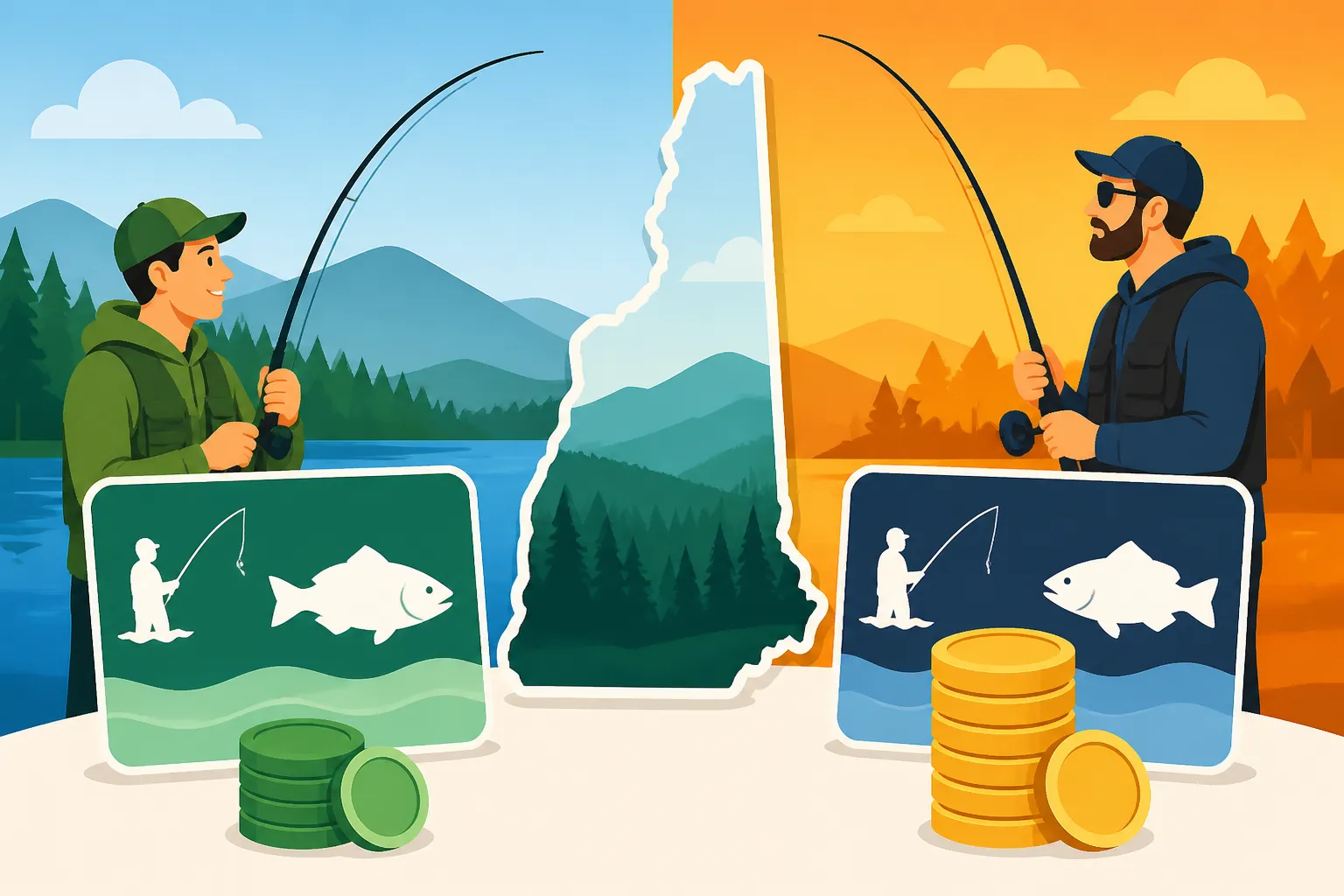
Once your residency status is clear, the actual costs for your annual freshwater fishing license become straightforward. The price difference between residents and nonresidents is significant, reflecting the state's prioritization of those who live and contribute to New Hampshire year-round.
Full-Season Resident Pricing
For those of us lucky enough to call New Hampshire home, an annual freshwater fishing license is a fantastic value. As of the current licensing year (which typically runs from January 1st to December 31st), a full-season resident freshwater fishing license for someone aged 16 to 67 generally costs around $35. This price grants you access to all freshwater fishing opportunities across the state for the entire calendar year, from chasing brook trout in mountain streams to targeting bass on Lake Winnipesaukee.
Children under 16 years of age do not need a license, which is a wonderful incentive to get youngsters hooked on fishing early. Additionally, New Hampshire offers various discounted or free options for seniors and disabled residents, recognizing their contributions and circumstances. For instance, residents aged 68 and older can often get a significantly reduced-cost license or even a free one if they meet certain criteria, like the New Hampshire Milestone License eligibility by birth year. These programs aim to make fishing accessible and enjoyable for all segments of our resident population. You can learn more about specific age requirements and exemptions in our guide, New Hampshire Fishing License Age Requirements.
Full-Season Nonresident Pricing
Now, if you're visiting our beautiful state from elsewhere and want to cast a line, you'll find the annual nonresident freshwater fishing license comes with a higher price tag. This is pretty standard across most states, as it helps offset the costs of fish stocking, habitat management, and enforcement for those who don't contribute to the state's tax base year-round. A full-season nonresident freshwater fishing license typically costs around $70-$75 for individuals aged 16 and older.
This fee allows nonresidents the same access to New Hampshire's freshwater fisheries for the entire calendar year. While it's a higher upfront cost, for dedicated visitors who plan multiple trips throughout the year, an annual license can still be a cost-effective option compared to purchasing several short-term licenses. For specific up-to-date pricing, it's always best to consult the New Hampshire Fish and Game website or a local license agent. You can find detailed information on the most current prices in our comprehensive guide, New Hampshire nonresident fishing license cost 2026.
The "Why" Behind the Price Difference
The difference in license costs isn't just arbitrary; it's a reflection of how state fish and wildlife agencies are funded and how they manage natural resources. New Hampshire Fish and Game operates largely on funds generated from hunting and fishing license sales, as well as federal excise taxes on fishing and hunting equipment (known as the Pittman-Robertson Act for hunting and Dingell-Johnson Act for fishing). These funds are crucial for:
- Fish Stocking Programs: Ensuring healthy populations of trout, salmon, and other species in lakes and rivers, like those listed in the New Hampshire Trout Stocking Report and Map.
- Habitat Management: Protecting and improving aquatic environments, from stream restoration to invasive species control.
- Law Enforcement: Funding conservation officers who ensure everyone follows the rules and protects our natural heritage.
- Research and Monitoring: Studying fish populations, disease, and environmental changes to make informed management decisions.
- Public Access: Maintaining boat ramps, fishing piers, and shoreline access points.
Residents, through their taxes and year-round economic activity, contribute to the state's infrastructure and overall well-being in ways that nonresidents typically do not. Therefore, the lower resident license fee is essentially a benefit for those who are continuously invested in the state. Nonresidents contribute when they purchase a license, and the higher fee reflects their more focused, often recreational, use of these shared resources. It's a system designed to ensure that the costs of conservation are distributed fairly among all who benefit.
Short-Term Fishing License Options for Visitors
For many nonresidents, an annual license might be overkill if they're only planning a short vacation or a weekend getaway. Thankfully, New Hampshire Fish and Game offers several short-term options that provide flexibility and can be more budget-friendly for transient anglers. These are particularly popular with tourists who flock to areas like the Lakes Region or the White Mountains during peak seasons.
1-Day Nonresident Licenses
If you're just passing through or want to try your hand at fishing for a single day, the 1-day nonresident fishing license is your go-to. This is perfect for someone on a quick trip, perhaps staying at a lakeside rental, who decides spontaneously to try fishing for a few hours. The cost for a 1-day nonresident license is usually around $15.
While seemingly a bit high for just 24 hours of fishing, it's designed for convenience and infrequent use. It allows you to legally participate in freshwater fishing without committing to a larger expense. Just remember, these licenses are date-specific, so make sure you purchase it for the exact day you plan to fish! It's a great way to experience a taste of New Hampshire's diverse fishing opportunities without breaking the bank. For a current look at the pricing, you might check out New Hampshire nonresident 1-day fishing license cost.
3-Day Nonresident Licenses
For those planning a slightly longer visit, perhaps a long weekend or a few days of dedicated fishing, the 3-day nonresident fishing license offers a better value than purchasing three separate 1-day licenses. This license typically costs around $28-$30, providing a significant saving over the single-day option if you're fishing for more than two days.
This option is incredibly popular during summer and fall foliage seasons when tourists are abundant. It's ideal for a family vacation where a few days might be dedicated to fishing, or for an angler targeting a specific three-day tournament or a multi-day trip on one of our beautiful rivers. Similar to the 1-day license, this permit is valid for three consecutive days from the date of purchase. You can find more details on this option in our specific article, New Hampshire 1-Day and 3-Day Nonresident Fishing Permits.
Nonresident Vacation License Options
Beyond the 1-day and 3-day permits, New Hampshire sometimes offers other vacation-oriented options, such as 7-day nonresident fishing licenses. These are designed for those extended trips, perhaps a full week spent exploring the Best Fishing Lakes in New Hampshire or embarking on a fishing expedition in the White Mountains. A 7-day nonresident license usually costs around $38-$40, providing even greater value for longer stays.
This progressive scaling in short-term license costs aims to accommodate various travel itineraries while ensuring that even short-term visitors contribute to the conservation efforts they benefit from. Always check the official New Hampshire Fish and Game website or the current New Hampshire Freshwater Fishing Digest for the most up-to-date availability and pricing of all short-term nonresident options before your trip. Being informed upfront can save you money and ensure you're compliant with state regulations.
Combination Licenses and Special Discounts
New Hampshire understands that many outdoor enthusiasts enjoy more than one activity, and that certain groups deserve special consideration. This is why the state offers combination licenses and various discounts, making it easier and more affordable for eligible individuals to enjoy the Granite State's abundant natural resources.
Combination Hunting and Fishing Licenses
For the multi-talented outdoors person, a combination license can be a real game-changer. Rather than buying separate hunting and fishing licenses, you can often purchase a single permit that covers both activities, usually at a slightly reduced overall cost compared to buying them individually. This is incredibly convenient for residents who enjoy both deer hunting in the fall and ice fishing in the winter, or turkey hunting in spring and bass fishing in summer.
A resident combination hunting and fishing license generally costs around $58-$60, which is typically a few dollars less than purchasing each license separately. Nonresidents can also purchase a combination license, though at a proportionally higher price, often in the range of $150-$160. These licenses simplify the process, putting all your permissions on one piece of paper or digital file. If you're an avid hunter and angler, exploring the New Hampshire Combination Hunting and Fishing License Options is definitely worthwhile to see if it fits your needs and saves you some cash.
Senior and Disabled Discounts
New Hampshire takes great pride in supporting its senior and disabled residents, and this extends to fishing opportunities. For resident anglers aged 68 and older, significant discounts, and even free licenses, are available. For example, the state offers a "Milestone License" for residents born in or before certain years, providing a free annual license for life. For those slightly younger but still meeting the 68+ age requirement, a highly discounted senior license is usually available.
Similarly, residents with certain disabilities, including disabled veterans, often qualify for free or reduced-cost fishing licenses. These programs are designed to ensure that everyone, regardless of age or physical challenge, has the chance to experience the joy and therapeutic benefits of fishing. Eligibility criteria can vary, so it's always best to contact the NH Fish and Game Department or visit their website for the most current information on New Hampshire Senior Fishing License Rules by Birth Year and options for disabled residents.
Active Military and Veteran Benefits
New Hampshire is also very supportive of its active military personnel and veterans. Resident active duty military members are often eligible for free hunting and fishing licenses. This is a small token of appreciation for their service and sacrifice, allowing them to enjoy the state's natural beauty without an additional financial burden.
For non-resident active duty military stationed outside of New Hampshire but returning home on leave, there might also be special provisions, sometimes allowing them to purchase a resident license. Veterans with service-connected disabilities often qualify for free or deeply discounted licenses as well. These benefits are a wonderful way for the state to honor those who have served. It's crucial for military personnel and veterans to carry appropriate identification and discharge papers to prove eligibility when purchasing these special licenses.
Where to Purchase Your New Hampshire Fishing License
Acquiring your fishing license in New Hampshire is a straightforward process, thanks to various convenient purchasing options. Whether you prefer the ease of online transactions or the personal touch of a local vendor, New Hampshire Fish and Game has made sure there are plenty of ways to get your permit.
Online Purchasing Convenience
In today's digital age, buying your fishing license online is often the quickest and most hassle-free method. The New Hampshire Fish and Game Department website offers a secure portal where you can purchase your resident or nonresident license from the comfort of your home, 24/7. This is particularly useful for planning ahead for a trip or if you suddenly decide to go fishing on a weekend when many physical locations might be closed.
The online system allows you to select your desired license type, enter your personal information, and pay with a credit card. Once purchased, you can often print your license immediately or save a digital copy to your phone. It's worth noting that a small online transaction fee might apply, but the convenience often outweighs this minor cost. For a step-by-step guide, check out our resource on How to Buy a Fishing License Online in New Hampshire. Being able to print your license at home means you can have it in hand before you even leave for your favorite fishing spot.
Authorized License Agents
If you prefer a more traditional approach, or if you need to ask a question in person, New Hampshire has a vast network of authorized license agents scattered across the state. These agents are typically bait and tackle shops, sporting goods stores, general stores, and even some town clerk offices. Purchasing from a local agent offers a few benefits: you get face-to-face assistance, you can often pick up bait and tackle at the same time, and you're supporting a local business.
Many anglers enjoy the ritual of visiting their favorite local shop, getting the latest fishing reports, and maybe grabbing a new lure along with their license. These agents are equipped with the necessary software to issue official New Hampshire fishing licenses on the spot. Just remember to bring any required identification and proof of residency if applicable. A quick search on the NH Fish and Game website will provide a list of agents near your location or destination, or you might find a store like Dick's Sporting Goods or Kittery Trading Post which are known to be authorized vendors. While you won't buy a license on Amazon, you can certainly find reviews and purchase fishing gear from Amazon to complement your trip after you secure your license from an official agent.
Direct from NH Fish and Game
For those who prefer to go straight to the source, New Hampshire Fish and Game Department offices also issue licenses directly. While not as widespread as the network of agents, their main office in Concord, and sometimes regional offices, can assist you with your purchase. This can be a good option if you have a particularly complex residency question or need specialized assistance that a general agent might not be equipped to handle.
Visiting an official Fish and Game office ensures you're getting the most accurate information directly from the source. However, be mindful of their operating hours, which are typically standard business hours during weekdays. It's always a good idea to call ahead and confirm office hours and what documentation you'll need to bring. Remember that regardless of where you purchase your license, it’s your responsibility to understand and abide by all New Hampshire Fishing Regulations Explained to ensure a legal and enjoyable outing.
Penalties for Misrepresenting Residency or Fishing Without a License
It might seem like a small shortcut to claim residency if you technically don't qualify, or to just risk fishing without a license, but the potential consequences in New Hampshire are far from minor. The New Hampshire Fish and Game Department takes violations of its licensing regulations seriously, and ignorance of the law is rarely an acceptable excuse.
Fines and Legal Ramifications
Fishing without the proper license or misrepresenting your residency to purchase a cheaper resident license can lead to substantial fines. These aren't just small tickets; they can range from several hundred dollars for a first offense, potentially increasing for subsequent violations. Beyond the monetary penalties, you could face legal charges, as these offenses are considered violations or misdemeanors under New Hampshire law.
For instance, a conservation officer might issue a fine for Fishing Without a License in New Hampshire: Penalties that could quickly exceed the cost of an annual nonresident license many times over. Imagine a situation where you're enjoying a peaceful morning on Squam Lake, only to have your trip interrupted by a conservation officer checking licenses. If you're found to be in violation, that peaceful morning can quickly turn into a costly and stressful experience, putting a real damper on your vacation. It's simply not worth the risk.
Impact on Future Licensing
Beyond immediate fines, being caught misrepresenting your residency or fishing without a license can have longer-term repercussions on your ability to obtain future fishing licenses in New Hampshire, and potentially even in other states through reciprocity agreements. Fish and Game departments maintain records of violations, and a history of non-compliance could lead to a refusal to issue a license in the future, or at the very least, extra scrutiny.
This could mean that your dream of annual fishing trips to New Hampshire could be put on hold, or even permanently revoked, if you accrue enough violations. It's not just about paying a fine; it's about maintaining a good standing with the state's wildlife management authorities. Think of it as a privilege, not just a right, to enjoy these resources, and that privilege can be revoked if abused.
Avoiding Common Pitfalls
The best way to avoid these unpleasant scenarios is to simply be honest and informed. If you're unsure about your residency status, contact the New Hampshire Fish and Game Department directly for clarification before purchasing a license. Don't rely on hearsay or assumptions. When purchasing online or from an agent, double-check that you've selected the correct license type and duration.
Always carry your license with you while fishing, either a physical copy or a digital version on your phone, as specified in our guide on Printing or Carrying a Digital Fishing License in New Hampshire. Being prepared and compliant not only protects you from penalties but also ensures that you're contributing to the conservation efforts that make New Hampshire such a fantastic place to fish. Remember, the small cost of a license is an investment in the future of our fisheries. You can even find essential items like a waterproof license holder on Amazon to protect your physical license while on the water.
Comparing New Hampshire Fishing License Costs
To give you a clear overview, here's a table summarizing the general costs for common New Hampshire freshwater fishing licenses. Please note that these are approximate prices and can change; always check the official New Hampshire Fish and Game website for the most current figures and any additional transaction fees.
| License Type | Resident (Age 16-67) | Nonresident (Age 16+) | Key Details |
|---|---|---|---|
| Annual Freshwater Fishing | ~$35 | ~$70-75 | Valid from Jan 1 – Dec 31. Best for frequent anglers. |
| 1-Day Freshwater Fishing | N/A | ~$15 | Nonresidents only. Valid for a specific 24-hour period. |
| 3-Day Freshwater Fishing | N/A | ~$28-30 | Nonresidents only. Valid for three consecutive days. |
| 7-Day Freshwater Fishing | N/A | ~$38-40 | Nonresidents only. Valid for seven consecutive days. |
| Annual Combination (Hunt/Fish) | ~$58-60 | ~$150-160 | Covers both hunting and fishing. Often offers a slight discount compared to buying separately. |
| Senior Resident License (68+) | Significantly reduced/Free | N/A | Special rates for qualifying residents, including the Milestone License. |
| Disabled Resident License | Free/Reduced | N/A | For qualifying disabled residents, including disabled veterans. |
This table highlights the significant difference between resident and nonresident pricing, especially for annual licenses. It also underscores the value of short-term options for visitors and the benefits for specific resident groups. When planning your trip, consider how many days you'll actually be fishing versus the cost of an annual pass. Sometimes, even if you're a nonresident, an annual license might be more economical if you plan to visit New Hampshire multiple times throughout the year. For current official details on New Hampshire resident fishing license cost 2026, always refer to the Fish and Game Department's resources.
Conclusion: Making Informed Choices for Your New Hampshire Fishing Adventure
Navigating the world of fishing license costs in New Hampshire doesn't have to be a bewildering experience. By understanding the core distinctions between resident and nonresident qualifications, familiarizing yourself with the various license types and their associated fees, and knowing where to make your purchase, you can ensure a smooth start to your angling adventure. Whether you're a lifelong Granite Stater enjoying the local waters or a visitor drawn by the allure of our pristine lakes and rivers, choosing the right license is your first step towards a responsible and enjoyable fishing experience. Always prioritize compliance with regulations, not only to avoid penalties but also to contribute to the ongoing conservation efforts that keep New Hampshire's fisheries vibrant for generations to come.
Disclaimer
Please remember that fishing regulations, license requirements, and costs are subject to change by the New Hampshire Fish and Game Department. While this guide provides comprehensive information, it is always recommended to verify the most current details directly on the official New Hampshire Fish and Game website or by consulting the latest New Hampshire Freshwater Fishing Digest before engaging in any fishing activities.