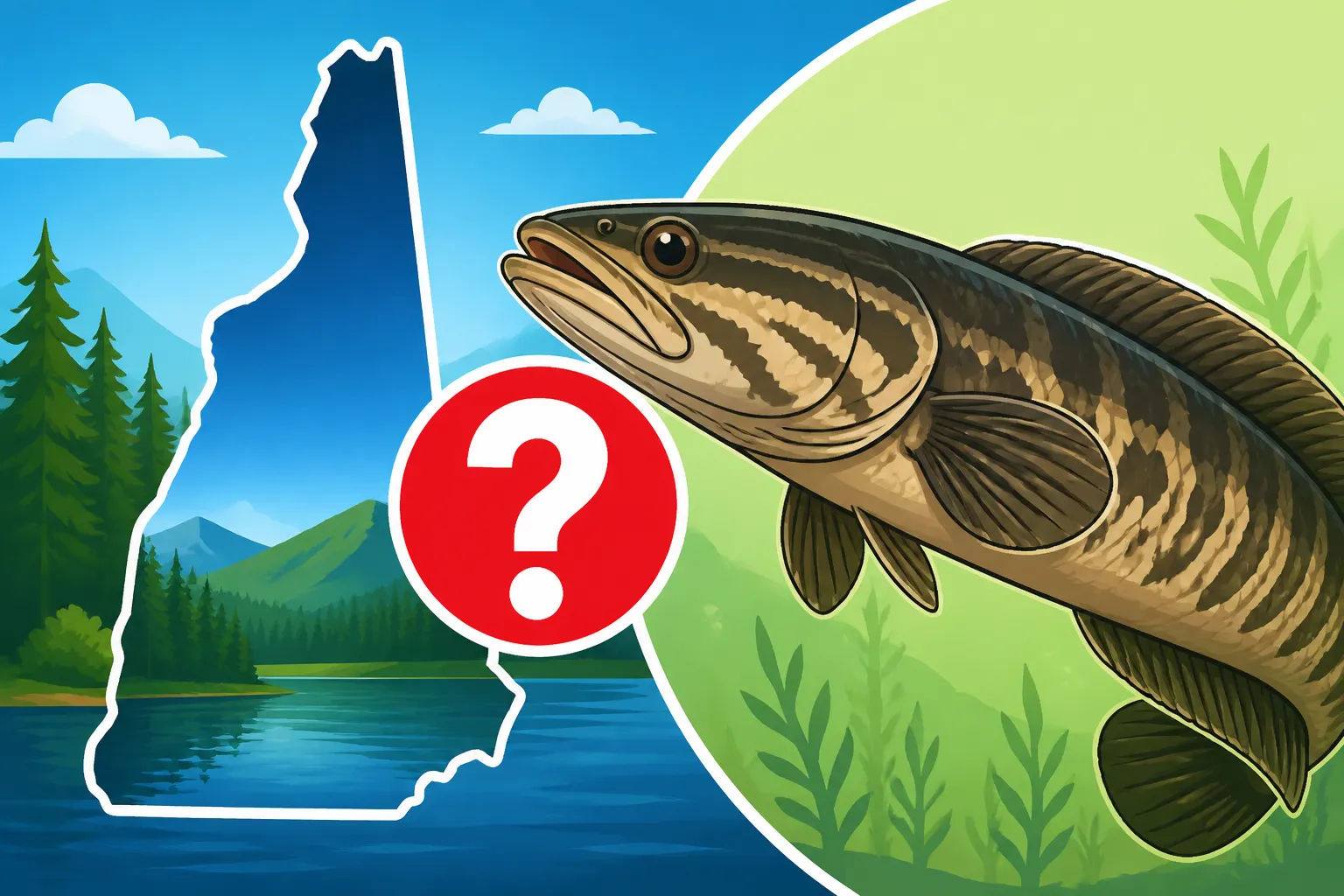
Are Snakehead Fish Found in New Hampshire?
The thought of a foreign, predatory fish taking over our beloved New Hampshire waters is enough to send shivers down any angler's spine. Northern snakehead fish, with their aggressive nature and ability to survive out of water, represent a significant threat to native ecosystems. This guide will dive deep into understanding these formidable invaders, assess their presence (or thankfully, lack thereof) in our state, and, most importantly, empower you with the knowledge to protect our precious lakes and rivers.
Understanding Northern Snakehead Fish: A Threat to Our Waters
Imagine a fish that can breathe air, slither across land, and devastate local fish populations. That's the northern snakehead (Channa argus) in a nutshell, and it's why anglers and conservationists across North America are so concerned about their spread. These fish are not native to our continent, originally hailing from Asia. They were likely introduced through illegal releases from the live food fish trade or aquarium hobbyists who didn't understand the severe implications of letting such a species loose. Once established, they are incredibly difficult to eradicate, changing the very fabric of the aquatic environments they inhabit.
What Makes Snakeheads So Concerning?
The northern snakehead is a true ecological nightmare. Their predatory nature means they compete directly with native fish species like bass, trout, and perch for food, often outcompeting and preying on them. This can severely impact local sport fisheries, reduce the biodiversity of an ecosystem, and even threaten endangered species. They're generalist predators, meaning they'll eat just about anything smaller than them, from other fish to frogs, crustaceans, and even small mammals or birds.
One of their most alarming characteristics is their ability to survive out of water for extended periods – sometimes several days – especially in moist conditions. They have a specialized organ that allows them to breathe atmospheric oxygen. This unique adaptation means they can "walk" across land from one body of water to another, especially during wet weather, aiding their spread into new areas. They also reproduce rapidly, with females laying multiple batches of eggs each year, leading to quick population explosions. Imagine what that could do to a delicate ecosystem like one of our smaller trout ponds or pristine rivers. It's a truly chilling thought for anyone who cherishes New Hampshire's native trout species.
How to Identify a Northern Snakehead
Knowing how to properly identify a northern snakehead is crucial, as they can sometimes be mistaken for native fish species like bowfin or burbot. A misidentification could lead to either unnecessary panic or, worse, missing a real threat. Here's a breakdown of their key features:
- Body Shape: They have a long, slender, cylindrical body, somewhat similar to a snake, which is where they get their name.
- Coloration: Typically mottled brown, tan, and gold, with dark blotches along their sides. This camouflage helps them blend into weedy or muddy environments.
- Head: Distinctive, flattened head, reminiscent of a snake's head. Their eyes are usually set forward on their head.
- Dorsal Fin: A very long dorsal fin that runs almost the entire length of their back and is uninterrupted. This is a key distinguishing feature from a bowfin, which has a shorter dorsal fin and a distinct dark spot at the base of its tail.
- Anal Fin: Also long, running about two-thirds the length of their underside.
- Pelvic Fins: Located under their pectoral fins, close to the gills.
- Scales: Large, cycloid scales.
It's important to remember these details. If you ever catch something unusual, take a moment to observe before assuming it's a common fish. Carrying a good Fish Species Identification Guide for New Hampshire, which you can often find on Amazon, can be a valuable tool to confirm your catch.
| Feature | Northern Snakehead | Bowfin (Native NH Fish) | Burbot (Native NH Fish) |
|---|---|---|---|
| Head Shape | Flattened, snake-like | Rounded, not snake-like | Flattened, but with single barbel on chin |
| Dorsal Fin | Very long, uninterrupted, runs almost full length | Very long, but often has a distinct black spot (ocellus) at base of tail | Shorter, often with two distinct dorsal fins |
| Body Shape | Elongated, cylindrical | Elongated, cylindrical | Elated, tapered towards tail, somewhat eel-like |
| Pelvic Fins | Under pectoral fins | Throat region, in front of pectoral fins | Under pectoral fins |
| Air Breathing | Yes, can survive out of water for days | Yes, can gulp air, but less adapted for land travel | No |
| Coloration | Mottled brown/tan/gold, dark blotches | Olive/brown, sometimes with dark spot near tail | Mottled brown/yellowish, often with lighter belly |
| Teeth | Sharp, conical | Sharp, conical | Small, conical |
Are Northern Snakeheads in New Hampshire? The Current Situation
When it comes to invasive species, especially one as notorious as the northern snakehead, constant vigilance is key. Thankfully, as of now, New Hampshire has not had any confirmed sightings or established populations of northern snakehead fish. This is excellent news, but it's not a reason to let our guard down. The threat is ever-present from neighboring states where they have been found, and prevention remains our strongest defense.
Official Statements and Sightings
The New Hampshire Fish and Game Department actively monitors for invasive species and maintains robust regulations to prevent their introduction. They rely heavily on public reporting to identify potential threats. While there haven't been confirmed snakehead sightings in New Hampshire's natural waters, it doesn't mean we can relax entirely. Other invasive species have made their way into our state, sometimes through accidental means, sometimes through careless human actions.
States surrounding New Hampshire, like Massachusetts, have experienced isolated snakehead sightings, which underscores the importance of our vigilance. An isolated sighting doesn't mean an established population, but it does mean a potential vector for introduction. It's a reminder that our fishing spots, from the quiet streams of the White Mountains to the vastness of Lake Winnipesaukee, are always at risk if we're not careful. Keeping up-to-date with official sources, like the Reading the New Hampshire Freshwater Fishing Digest, is always a smart move.
How Invasive Species Spread
Understanding how these unwanted visitors get around is crucial for prevention. Most often, the spread of aquatic invasive species, including potential snakeheads, comes down to human activity.
- Illegal Introduction: The most direct, and unfortunately, common way for snakeheads to spread is through intentional, illegal releases. People sometimes purchase these fish as pets or for consumption and then release them into local waterways when they grow too large or are no longer wanted. This single act can have devastating ecological consequences.
- Bait Buckets: Believe it or not, improper disposal of live bait is a major pathway. An angler might use a non-native bait fish (or even a small snakehead mistakenly thought to be another species) and then dump their leftover bait into the lake or river at the end of the day. This is why strict regulations on bait transport and use are so important.
- Boat Hulls and Gear: While snakeheads are less likely to hitch a ride on a boat hull than aquatic plants or mussels, their ability to survive out of water means a small fish could potentially be inadvertently transported in a wet livewell, bilge, or even clinging to gear if not properly cleaned. This is why New Hampshire Boating Laws for Anglers often include mandates about cleaning boats.
- Connected Waterways: Natural waterways, especially river systems that cross state lines, provide a potential pathway for species to migrate if they establish a population upstream or downstream. The Connecticut River, for example, is a large system that flows through multiple states, making vigilance critical for shared resources.
The key takeaway is that prevention rests largely on the shoulders of informed and responsible anglers and boaters.
Protecting New Hampshire's Fisheries: What Anglers Can Do
Our beautiful state boasts an incredible diversity of fish, from the hard-fighting smallmouth bass of our larger lakes to the elusive brook trout in remote mountain streams. Protecting these natural treasures from threats like the northern snakehead is a shared responsibility. Every angler and boater has a role to play in keeping our waters healthy and free of invasive species. This isn't just about following rules; it's about being a good steward of the environment we all love.
Preventative Measures on the Water
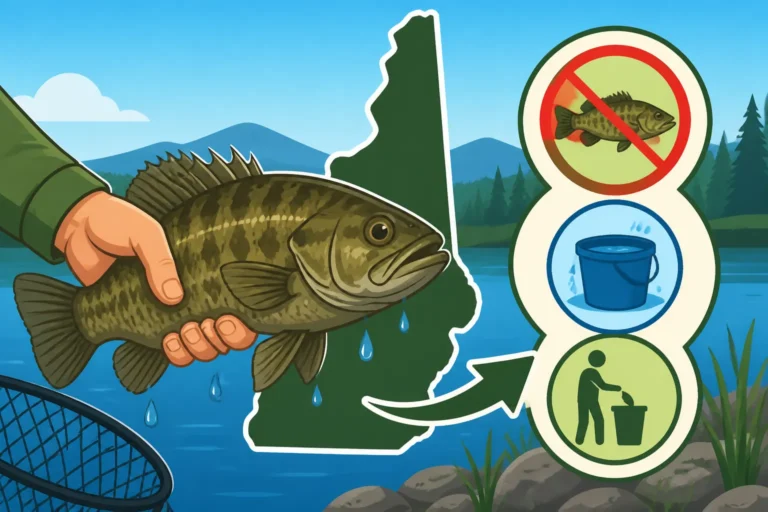
The "Clean, Drain, Dry" motto isn't just for plants and mussels; it's a foundational principle for preventing the spread of all aquatic invasive species.
- Clean Your Gear: Before leaving any body of water, thoroughly inspect your boat, trailer, fishing tackle, waders, and any other equipment that came into contact with the water. Remove all visible mud, plants, and aquatic organisms. This includes inside your boat, not just the exterior. Specialized cleaning kits for your boat and gear, readily available on Amazon, can make this task easier.
- Drain All Water: Make sure to drain all water from your boat's bilge, livewells, bait buckets, and any other water-holding compartments. Do this before you leave the ramp or shoreline. Remember, even a small amount of water could harbor larvae or small fish.
- Dry Your Equipment: Whenever possible, allow all your equipment to thoroughly dry for at least five days before using it in a different body of water. If a full dry time isn't feasible, consider a high-pressure wash or hot water rinse. For things like waders and fishing nets, hanging them in direct sunlight is a great way to ensure they are fully dried out.
- Use Local Bait: Only purchase and use bait from approved local sources, and never transport live bait from one water body to another. If you have leftover bait, dispose of it properly in the trash, not in the water. This is a critical step in preventing the introduction of Invasive Fish Species in New Hampshire Waters.
- Educate Yourself: Be aware of the species that are invasive or could become invasive in your area. Understanding what they look like and why they're harmful helps you recognize and report them. Many state agencies provide detailed information on their websites.
Reporting Suspected Invasive Species
This is where your role as an angler becomes truly critical. If you do encounter a fish you suspect might be a northern snakehead or any other non-native, potentially invasive species, do NOT release it back into the water. This is paramount.
Here's a step-by-step guide on what to do:
- Do Not Release It: Seriously, this is the most important rule. If you're confident it's a snakehead, it's illegal to release it.
- Kill It Humanely: If possible, and you are certain of the identification, humanely dispatch the fish. This usually means a swift blow to the head or severing the spinal cord.
- Document It: Take clear photos of the fish from multiple angles, especially focusing on its head, fins, and overall body pattern. If you have a measuring tape, get a length measurement. Note the exact location (GPS coordinates if possible) and the date and time of your catch. Many anglers carry a simple waterproof camera, easily found on Amazon, to document unusual catches.
- Contain It: Place the fish in a bag or cooler, ideally on ice, to preserve it for potential identification by authorities.
- Report Immediately: Contact the New Hampshire Fish and Game Department as soon as possible. Provide them with all the details and photos you collected. Their expertise is vital for confirming the species and taking appropriate action. You can often find their contact information in your New Hampshire Fishing License Guide for 2026 or online.
Remember, reporting is not about getting in trouble; it's about protecting our shared natural resources. Your prompt action could prevent a widespread ecological disaster.
Beyond Snakeheads: General Invasive Species Awareness
While northern snakeheads are a serious concern, they are just one piece of a much larger puzzle when it comes to invasive species. New Hampshire's aquatic ecosystems face threats from various non-native plants, invertebrates, and even other fish species. Maintaining a general awareness of invasive species and adopting responsible practices in all your outdoor adventures is crucial for preserving the health and beauty of our state's waters.
Other Invasive Threats in New Hampshire
It's not just about fish! Our lakes and rivers can be plagued by a range of invaders, each with its own damaging impact.
- Aquatic Plants: Eurasian watermilfoil, variable milfoil, and hydrilla are common examples. These plants can form dense mats, choking out native vegetation, making boating and swimming difficult, and altering fish habitats. They spread easily by fragments catching onto boat propellers, fishing gear, or even animal fur.
- Invertebrates: Zebra and quagga mussels are tiny but mighty invaders. They can filter vast amounts of water, competing with native species for food, clogging pipes, and covering surfaces. Spiny water fleas are another microscopic threat that can disrupt food webs. Chinese mystery snails can also outcompete native snails and carry parasites.
- Other Fish: While perhaps less dramatic than a snakehead, other non-native fish can cause problems. Common carp, for instance, can stir up bottom sediments, reducing water clarity and harming aquatic vegetation. Goldfish, often released from home aquariums, can also establish populations and compete with native species. The threat of Invasive Fish Species in New Hampshire Waters is broad and constant.
Being aware of these various threats and knowing how they spread is key to preventing their further proliferation. The same "Clean, Drain, Dry" principles apply across the board.
The Importance of Clean, Drain, Dry
Let's reiterate why the "Clean, Drain, Dry" protocol is so vital. It’s the single most effective action every boater and angler can take to stop the spread of aquatic invasive species, whether it's a microscopic larva or a plant fragment.
- Clean: Physically remove all visible mud, plants, fish, and animals from your boat, trailer, anchor, ropes, and all fishing gear. Pay special attention to crevices, prop guards, and live wells. For particularly stubborn grime or if you suspect exposure to mussels, hot, high-pressure washing can be very effective.
- Drain: Pull the drain plug in your boat's bilge, and open all compartments that hold water, such as live wells, bait wells, and coolers. Let all water drain completely. Do this before you leave the launch site. Don't transport water from one lake to another. Remember to dispose of any leftover bait in the trash, not the water.
- Dry: Allow your boat, trailer, and all gear to dry completely for at least five days before launching into a different body of water. This is especially important for items that retain moisture, like sponges, towels, and the carpets in your boat. If drying for five days isn't possible due to frequent use, consider using a disinfectant rinse on your equipment.
This simple yet powerful routine should be second nature to anyone enjoying our waterways. It's a small effort with a monumental impact on protecting our cherished Best Fishing Lakes in New Hampshire and rivers for future generations. Your commitment to these practices ensures that the beauty and biodiversity of New Hampshire's natural environment remain intact, free from the threats of invasive species like the northern snakehead.
Disclaimer
This article is for general informational purposes only and does not constitute professional advice. Laws, prices and regulations vary by location and change over time. Consult a qualified professional for guidance on your specific situation.