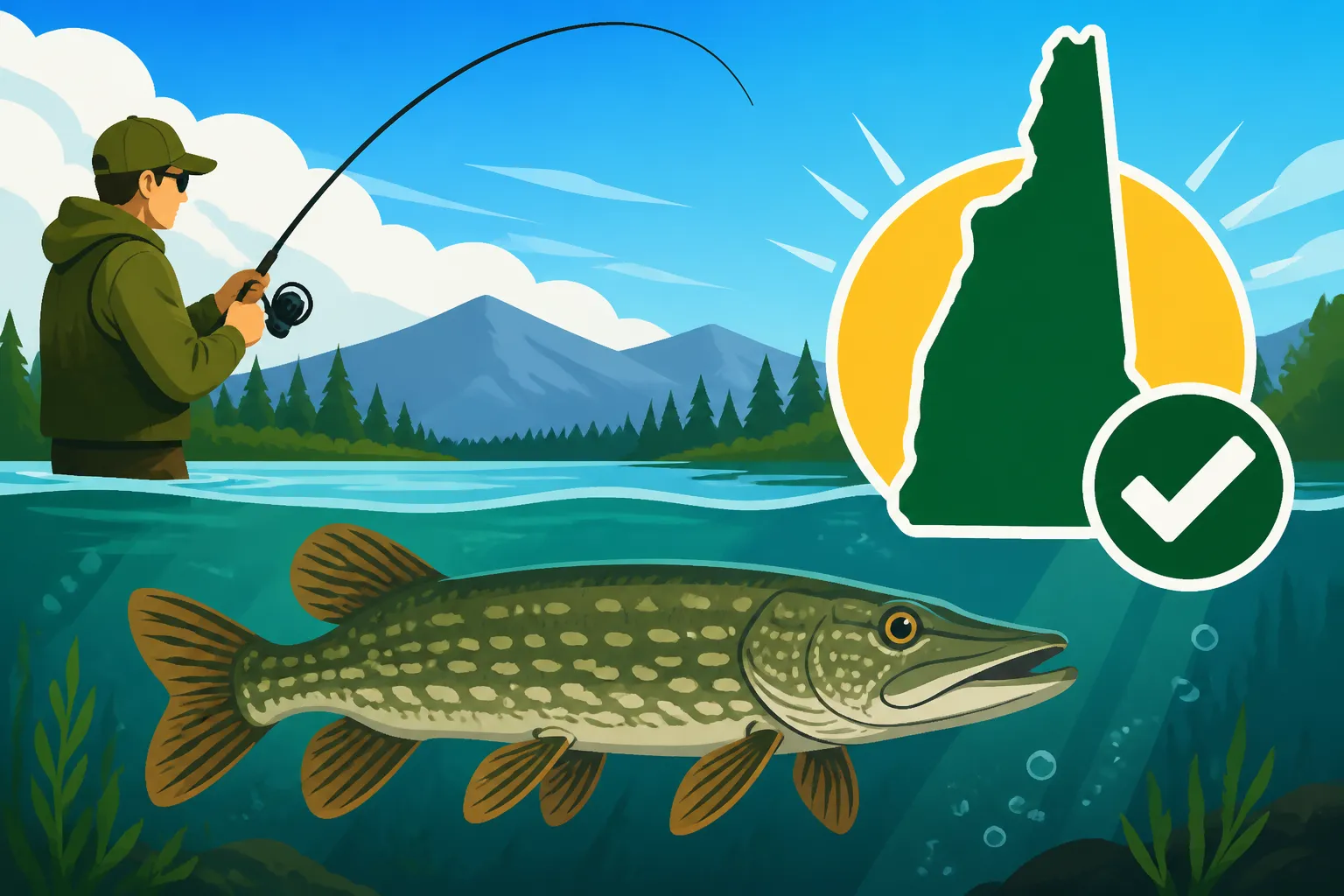
Do New Hampshire Waters Have Northern Pike?
One of the most common questions I hear from anglers exploring New Hampshire's vast network of lakes and rivers is, "Are there northern pike here?" It's a valid question, especially if you're used to pursuing these toothy predators in other states. The Granite State isn't typically famous for its pike fishing, leading to a lot of confusion and often, disappointment for those hoping to target them. This guide will cut through the misinformation and give you the real scoop on northern pike in New Hampshire, where you might find them, and how to approach fishing for them.
The Elusive Northern Pike in New Hampshire Waters
It's easy to assume that a predatory fish like the northern pike, so prevalent in many northern states, would naturally thrive across New Hampshire. However, their presence here is more nuanced than many realize. They aren't as widespread as, say, bass or trout, but they are indeed present in specific waters.
A Brief Overview of Northern Pike
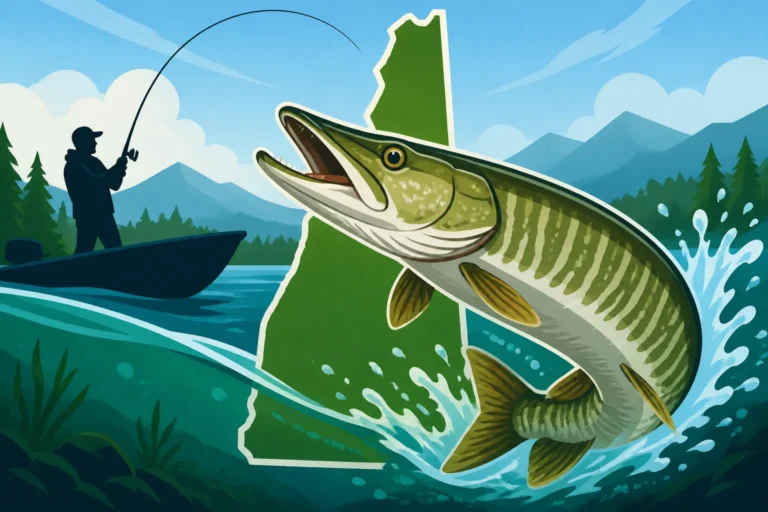
Northern pike (Esox lucius) are truly impressive freshwater fish, known for their long, slender bodies, duckbill-shaped mouths packed with razor-sharp teeth, and distinctive spotted patterns. They are ambush predators, often lurking in weed beds, submerged timber, or other cover, waiting to dart out and snatch unsuspecting prey. Their aggressive nature and impressive fighting ability make them a highly sought-after game fish for many anglers. When you hook into a pike, you'll know it – they often deliver powerful runs and head shakes, and sometimes even impressive aerial displays. Their diet is varied, including smaller fish, frogs, ducklings, and even small mammals, which contributes to their reputation as voracious eaters.
They can grow quite large, with trophy-sized fish easily exceeding 10-15 pounds, and exceptional specimens pushing past 20 pounds. The thrill of battling a large pike is something that keeps many anglers coming back for more, which is why the question of their presence in New Hampshire is so persistent. For many, catching a pike is a true test of tackle and technique, and they provide an exhilarating experience unlike many other freshwater species.
Historical Presence and Introduction
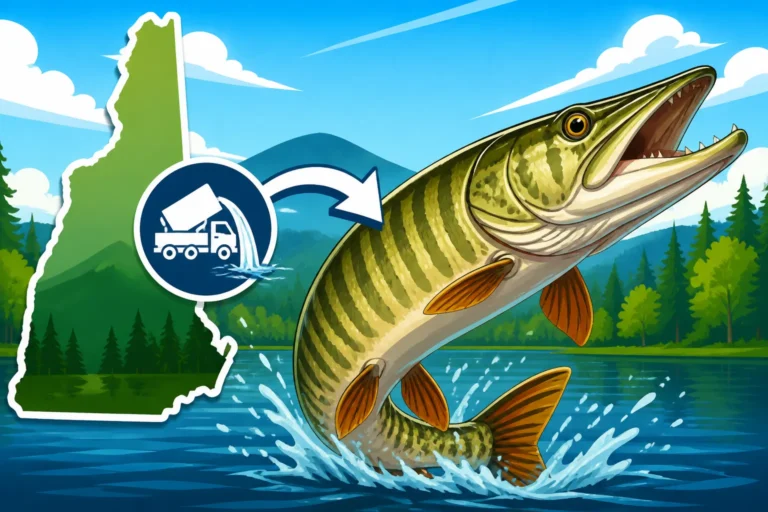
Unlike some other popular game fish that are native across much of New England, northern pike are generally not considered native to the vast majority of New Hampshire's waters. Their presence in the state is primarily the result of introductions, both intentional and unintentional, over many decades. In some cases, pike may have naturally expanded their range into certain waters through interconnected river systems from neighboring states where they are more prevalent. For instance, sections of the Connecticut River, which forms New Hampshire's western border, have always had some pike, as they are native to areas upstream and downstream.
However, many of the populations found in specific lakes and ponds are likely due to anglers illegally stocking them or them migrating from intentionally stocked waters in adjacent regions. This practice, while sometimes creating new angling opportunities, can also have significant ecological impacts, as pike are top predators and can alter the balance of existing fish communities. New Hampshire Fish and Game monitors these populations closely, and anglers are strongly encouraged to adhere to all regulations regarding fish introductions. Learning about Invasive Fish Species in New Hampshire Waters can give you a broader perspective on the ecological concerns surrounding non-native species.
Where to Find Northern Pike in New Hampshire
While not ubiquitous, there are definite hot spots for northern pike in the Granite State. It's not a secret, but it's also not something you'll stumble upon in every pond. Knowing where to focus your efforts is key to success.
Key Lakes and River Systems
The most well-known stronghold for northern pike in New Hampshire is Lake Umbagog and its associated river systems in the far northern part of the state, bordering Maine. This large, remote lake is part of a complex watershed that includes the Magalloway and Rapid Rivers, and it offers excellent opportunities for pike. Umbagog is a truly wild and beautiful place, perfect for those seeking an immersive angling experience away from the crowds. The pike here can grow to impressive sizes, a testament to the healthy forage base.
Another significant area for pike is the Connecticut River. Because pike are found upstream and downstream in states like Vermont and Massachusetts, they naturally inhabit sections of this large boundary river. Look for areas with slower currents, backwaters, and oxbows, particularly in the northern and central stretches of the river along New Hampshire's border. Access points can be found in towns like Hanover, Claremont, and Lebanon. If you're planning on fishing the Connecticut River, it's always a good idea to understand the New Hampshire Fishing License Reciprocity on Connecticut River Boundary Waters to ensure you're compliant with regulations.
Beyond these two primary areas, there have been occasional reports and confirmed catches of northern pike in other isolated lakes and ponds across the state, often as a result of unauthorized introductions or incidental migrations. These populations are typically smaller and less consistent, making them harder to target reliably. Anglers might hear rumors of a "secret" pond with pike, but these are often unconfirmed or short-lived situations. Always refer to the most current New Hampshire Fish and Game stocking reports and regulations for the most accurate information on where specific species are managed.
Preferred Habitats Within Those Waters
Northern pike are masters of ambush, and their preferred habitats reflect this hunting strategy. When you're searching for pike in Umbagog or the Connecticut River, think "cover and structure." They love to hide, patiently waiting for a meal to swim by.
- Weed Beds and Lily Pads: This is classic pike territory. Dense vegetation, especially the edges of deep weed lines or expansive fields of lily pads, provides perfect camouflage. Pike will lie perfectly still, blending in with their surroundings, and then explode into action when prey comes within striking distance. Focus on the transition zones where open water meets thick weeds.
- Submerged Timber and Laydowns: Fallen trees, old stumps, and brush piles are also prime holding areas. These offer both cover and shade, which pike appreciate. Casting parallel to a long laydown or skipping a lure into the shadowy pockets of a submerged tree can often trigger a strike. Be prepared for snags, but the reward can be well worth the risk.
- Rocky Points and Drop-offs: While often associated with weeds, larger pike will also utilize rocky structure, especially points that extend into deeper water or sharp drop-offs. These areas can funnel baitfish, making them opportunistic feeding grounds. Look for these structural elements with your fish finder or by observing the shoreline contour.
- Inflows and Outflows: Rivers and streams entering or leaving a lake can create current breaks and concentrate baitfish. Pike will often position themselves at these junctions, taking advantage of the easy feeding opportunities.
- Shallow Bays and Backwaters: Especially during warmer months, shallow, nutrient-rich bays can be teeming with baitfish and aquatic insects, attracting pike. In river systems, slow-moving backwaters and oxbows provide refuge from strong currents and excellent ambush points.
Understanding these habitat preferences is crucial for any angler hoping to connect with a New Hampshire pike. It's not just about being in the right body of water, but also about precisely targeting the areas where these apex predators are most likely to be lurking.
Fishing for Northern Pike in New Hampshire: Tips and Techniques
Catching northern pike is an exhilarating experience, but it requires the right approach, especially when you consider their sharp teeth and powerful demeanor. Being prepared with the right gear and techniques will significantly increase your chances of success and ensure a safe and enjoyable outing.
Essential Gear and Tackle
Pike are not subtle fish, and your gear shouldn't be either. You need tackle that can stand up to their strong runs and sharp teeth.
- Rods: A medium-heavy to heavy-action spinning or baitcasting rod, typically 6'6" to 7'6" in length, is ideal. This provides the backbone needed to cast larger lures and control a powerful fish. A fast tip will help with casting accuracy and detecting subtle strikes.
- Reels: Pair your rod with a sturdy reel. For spinning setups, a 3000-4000 series reel with a strong drag system is a good choice. For baitcasting, a reliable model with a high retrieve ratio is beneficial for taking up slack quickly. You can find a wide selection of robust rods and reels on Amazon that are perfect for tackling pike.
- Line: Braided line, in the 20-40 lb test range, is highly recommended. It offers superior strength, sensitivity, and resistance to abrasion, which is crucial when fishing around heavy cover. The lack of stretch also helps with powerful hooksets.
- Leaders: This is perhaps the most critical piece of equipment for pike fishing. Their teeth will make short work of monofilament or fluorocarbon line. You absolutely need a steel, titanium, or heavy fluorocarbon leader (50-80 lb test) that is at least 6-12 inches long. Many anglers prefer pre-made wire leaders available at most tackle shops or online at retailers like Amazon. Without a strong leader, you'll be losing a lot of lures and potentially harming fish.
- Lures: Pike are not overly picky, but they do respond well to lures that mimic baitfish or provide a lot of flash and vibration.
- Spoons: Classic spoons like Dardevles or Johnson Silver Minnows are incredibly effective. Their wobbling action and flash are irresistible.
- Spinnerbaits: Large spinnerbaits with tandem blades create a lot of vibration and flash, making them excellent for fishing through weeds.
- Swimbaits and Jerkbaits: Larger soft plastic swimbaits or hard-bodied jerkbaits that imitate trout or perch can be deadly.
- Large Plugs/Crankbaits: Deep-diving or shallow-running crankbaits, especially those with rattles, can provoke aggressive strikes.
- Other Essentials: A long-nosed pliers or forceps for hook removal (never reach into a pike's mouth with bare hands!), a jaw spreader (optional but helpful), and a large landing net with rubberized mesh for easier fish handling and reduced harm to the fish.
Best Times and Methods
Pike can be caught year-round in New Hampshire where they exist, but certain times and techniques tend to be more productive. Understanding New Hampshire Fishing Seasons by Month can help you plan your trips.
Seasonal Patterns:
- Spring (Post-Spawn): After the ice-out, usually in April or early May, pike become very active and aggressive as they recover from spawning. They'll often be found in shallow bays and river mouths, gorging themselves on baitfish. This is a prime time for fast-moving lures like spoons and spinnerbaits.
- Summer: As waters warm, pike often retreat to deeper weed lines or shady cover. Early mornings and late evenings are often the most productive. Topwater lures can be exciting at dawn or dusk around weed edges. During the heat of the day, focus on fishing deeper with jigs or slow-trolling larger plugs.
- Fall: As water temperatures drop, pike become extremely active again, feeding heavily in preparation for winter. They will often be found shallower, chasing baitfish in open water or along prominent points. This is another excellent time for big lures and aggressive retrieves.
- Winter (Ice Fishing): Ice fishing for pike is very popular in states where they are abundant, and it can be done in New Hampshire's pike waters. Large dead baits (like smelt or shiners) under tip-ups are a common method. Jigging with heavy spoons or large swimbaits can also be effective. Just be sure to check the New Hampshire Ice Fishing Regulations by Water Body for specific rules.
Fishing Methods:
- Casting and Retrieving: This is the most common method. Cast your chosen lure to likely holding areas – along weed edges, near submerged timber, or into open pockets within lily pads. Use a varied retrieve, incorporating pauses, twitches, and changes in speed to entice a strike.
- Trolling: For covering larger expanses of water, especially in deeper lakes like Umbagog, trolling large plugs or spoons can be effective. Vary your speed and depth until you find what triggers bites.
- Still Fishing with Bait: Under a bobber or on the bottom, live or dead bait (such as a large shiner or smelt) can be very effective, especially when fishing specific ambush points or through the ice. Always check regulations regarding baitfish use. Many anglers purchase live bait at local bait shops, but some specialized dead baits can be found on Amazon for convenience.
Remember, pike are predatory and often react aggressively. Don't be afraid to experiment with different lure colors and retrieve speeds until you find what works on a given day.
Conservation and Responsible Angling for Pike
Fishing for northern pike in New Hampshire, while exciting, comes with the responsibility of ensuring the health of the fish and the ecosystem. Adhering to regulations and practicing good angling ethics are paramount.
Regulations and Limits
The New Hampshire Fish and Game Department establishes specific regulations for all fish species, including northern pike, where they are present. These regulations are in place to manage fish populations sustainably and protect the overall health of the aquatic environment. It is absolutely crucial for every angler to familiarize themselves with the most current rules before heading out.
Regulations can cover:
- Season Dates: When you are legally allowed to fish for pike.
- Size Limits: Minimum or maximum lengths of fish you can keep.
- Bag and Possession Limits: The number of fish you can keep per day and the total number you can possess.
- Gear Restrictions: What types of tackle, lures, or bait are permitted.
- Water Body Specific Rules: Sometimes, particular lakes or rivers have unique regulations that differ from statewide rules. This is especially true for unique fisheries like Lake Umbagog.
You can find all this information in the annual Reading the New Hampshire Freshwater Fishing Digest published by NH Fish and Game, available online or at license vendors. Ignorance of the law is never an excuse, and penalties for Fishing Without a License in New Hampshire: Penalties or violating other regulations can be significant, including fines and loss of fishing privileges. Make it a habit to check the digest every year, as rules can change.
Catch and Release Best Practices
Because northern pike are not native to many New Hampshire waters and their populations are often managed carefully, practicing responsible catch and release is highly encouraged, especially for larger fish. Even if you plan to keep a legal-sized fish for the table, knowing how to properly handle these fish is important for both your safety and theirs.
Here are key best practices for catch and release:
- Be Prepared: Have your long-nosed pliers, jaw spreader, and a large, rubberized landing net easily accessible before you even cast. A pair of stout gloves can also protect your hands from those sharp teeth.
- Minimize Fight Time: Bring the fish in as quickly as possible to reduce stress. Prolonged fights can exhaust a fish, making it harder for it to recover.
- Handle with Care: Never hold a pike by its eyes or gills. If you must remove the fish from the water for a photo, do so quickly and support its body horizontally with both hands, one under the belly and one near the tail. Avoid holding large pike vertically by the jaw, as this can damage their spine and internal organs.
- Safe Hook Removal: Use your long-nosed pliers to carefully remove the hook. If the hook is deeply set or the fish is difficult to handle, consider cutting the line as close to the hook as possible. Hooks will often rust out, and this is sometimes less traumatic than extensive handling to remove a deeply embedded hook. The safety of the fish is always paramount.
- Revive the Fish: If the pike seems sluggish, hold it gently in the water, supporting its belly, and face it into a gentle current (if in a river) or move it back and forth to force water over its gills. Only release the fish when it can swim away strongly on its own.
- Avoid the Gills: Pike gills are very delicate and easily damaged. Avoid touching them directly.
By following these practices, you help ensure that these magnificent predators can continue to thrive in the specific New Hampshire waters they call home, providing thrilling angling experiences for years to come.
Disclaimer
This article is for general informational purposes only and does not constitute professional advice. Laws, prices and regulations vary by location and change over time. Consult a qualified professional for guidance on your specific situation.