Lake Trout Spawning Season in New Hampshire
The crisp air of autumn brings a change to New Hampshire's waters, and if you've ever found yourself wondering why your usual deep-water lake trout spots suddenly seem quiet, or if you’re curious about the crucial life cycle of these magnificent fish, you're in the right place. Understanding the lake trout spawning season is key to both respecting these incredible fish and becoming a more informed angler. This guide will dive deep into the biology, timing, locations, and ethical considerations surrounding lake trout spawning in the Granite State.
The Secret World of Lake Trout Reproduction
Lake trout, often considered the apex predators of New Hampshire's deeper, colder lakes, have a fascinating reproductive cycle that is quite different from many other freshwater species. Unlike bass or sunfish that build elaborate nests in shallow water, lake trout prefer a much more discreet and rugged approach, tied closely to the specific conditions of their deep, cold-water habitats.
Biology of the Spawning Process
Lake trout are true cold-water specialists, and their entire life cycle, including reproduction, revolves around maintaining optimal temperatures. When it comes to spawning, they are what scientists call "fall spawners." This means their reproductive activity kicks off when water temperatures begin to drop significantly, typically in the late autumn months. It's a biological clock set by the changing seasons, signaling that it's time to gather and perpetuate their species.
During this period, male and female lake trout undergo physiological changes. Their bodies prepare for the energy-intensive process of egg and milt production. Males often develop slightly darker coloration and a more pronounced jaw, though not as dramatic as some salmon species. The females become heavy with eggs, sometimes carrying thousands depending on their size and age. This entire biological drive leads them to specific areas that provide the perfect conditions for their offspring to develop.
Ideal Spawning Habitat Characteristics
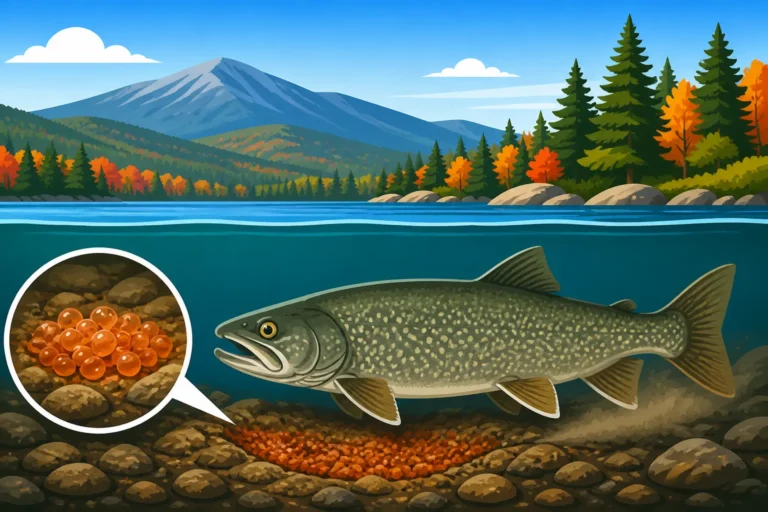
Forget sandy bottoms or lily pad edges; lake trout spawning grounds are quite unique. They seek out areas with specific characteristics that offer both protection for the eggs and adequate oxygen flow. These aren't just random spots; they're often traditional spawning reefs that have been used by generations of lake trout.
The primary requirement is clean, gravelly or rocky bottom substrate, usually in depths ranging from a few feet down to 60 feet or even more, depending on the lake's thermal stratification and oxygen levels. These rocky areas provide crevices and interstitial spaces where the eggs can settle, safe from currents and predation. Furthermore, these sites typically have good water circulation, which is crucial for delivering oxygen to the developing embryos and flushing away waste. Without these precise conditions, egg survival rates plummet. Lakes like Winnipesaukee, Squam, and Newfound Lake have these critical habitats, thanks to their glacial history and rocky structures.
Timing and Locations of the Spawn
Understanding when and where lake trout spawn in New Hampshire is a critical piece of the puzzle for anglers and conservationists alike. It’s not a uniform event across the state, but rather a dance dictated by localized conditions and the unique characteristics of each water body.
Peak Spawning Window in New Hampshire
The exact timing of the lake trout spawn in New Hampshire can vary slightly from year to year, largely depending on water temperatures. Generally, you're looking at a window that stretches from late October through November, and sometimes even into early December in some of the deeper, slower-cooling lakes. The trigger is typically when the surface water temperatures drop into the low to mid-50s Fahrenheit, eventually reaching the 40s where the actual spawning occurs.
Many seasoned anglers, myself included, have noticed that the peak activity often aligns with those chilly, crisp late-fall days when the foliage has mostly dropped, and there's a distinct chill in the air. Lakes in the northern part of the state, or those at higher elevations, might see their spawn begin slightly earlier than those in the southern regions or larger, deeper lakes that retain warmth longer. Keeping an eye on local water temperature reports or even just paying attention to the weather patterns can give you a good hint as to when things are really kicking off.
Identifying Key Spawning Grounds
Finding lake trout spawning grounds isn't always easy, as these fish aren't exactly advertising their locations. However, there are some tell-tale signs and general areas to look for that have been identified over years of observation and scientific study. As mentioned earlier, rock reefs, gravel shoals, and underwater humps that offer clean, hard substrate are prime candidates. These areas are typically exposed to wave action or current, which helps keep the gravel clean and oxygenated.
In some of New Hampshire’s larger lakes, certain islands or points that drop off quickly into deeper water, exposing rocky ledges or boulder fields, are known spawning sites. For example, parts of Lake Winnipesaukee and Sunapee Lake have historical spawning areas that biologists monitor. While the exact coordinates are often kept quiet to protect the fish, anglers who spend enough time on these waters, especially with good sonar equipment, can often identify these areas by observing rocky bottom contours in appropriate depths. Remember, these are vital areas for the future of the fishery, so if you happen upon one, treat it with respect. Lake Winnipesaukee Lake Trout Fishing delves into more specific areas of this iconic lake.
How Spawning Affects Lake Trout Behavior
The spawning season brings about a dramatic shift in lake trout behavior. Understanding these changes is crucial for anyone hoping to interact with these fish during this sensitive period, whether you're fishing or simply observing.
Pre-Spawn Aggression and Feeding Habits
Before the actual spawning event kicks off, lake trout often enter a pre-spawn phase marked by increased aggression and intense feeding. Think of it as them "fattening up" for the big event, which will expend a tremendous amount of energy. During this time, they're actively chasing down baitfish like rainbow smelt, ciscoes, and even smaller yellow perch to build up their energy reserves.
Anglers might find this period to be one of the most productive, as lakers are less hesitant to strike at a well-presented lure or bait. They'll often move into slightly shallower waters than their typical mid-summer haunts, often cruising along the edges of drop-offs and structure adjacent to their eventual spawning grounds. This is a time when trolling large spoons, stickbaits, or even vertical jigging presentations can be very effective. It's a brief window of opportunity before their focus shifts entirely to reproduction. You might find a wide selection of effective trolling spoons and jigs on Amazon to match these baitfish profiles.
During the Spawn: Focus Shift and Vulnerability
Once the actual spawning begins, the lake trout's priorities change completely. Their focus is solely on the reproductive act. Feeding behavior typically slows down significantly or ceases altogether for many fish. They become highly concentrated in their chosen spawning areas, often in groups.
This concentration, unfortunately, can make them incredibly vulnerable to angling pressure. While some may still strike a lure out of territorial aggression rather than hunger, targeting them directly on their spawning beds is often discouraged, and in some areas, specific regulations might be in place to protect them. The fish are expending immense energy, and being caught and released repeatedly can add undue stress, impacting their spawning success. This is a critical time for conservation, ensuring that future generations of lake trout can thrive.
Post-Spawn Recovery and Dispersion
After the eggs have been laid and fertilized, the lake trout enter a post-spawn recovery phase. They are often exhausted and depleted of energy, having put everything into reproduction. Their initial behavior is typically to retreat from the immediate spawning grounds, seeking out deeper, cooler water to rest and recuperate.
Feeding gradually resumes, but it might not be as aggressive as the pre-spawn period. They're trying to regain condition, often starting with smaller, easier-to-catch prey before returning to their usual active predation. Over time, as they recover and as water temperatures continue to drop and stabilize for winter, they will typically disperse back into their preferred deep-water habitats across the lake. This post-spawn period can sometimes present another opportunity for anglers, particularly if they can locate these recovering fish on deep structure, but patience and a more subtle approach are often required. You can learn more about general lake trout habits in Lake Trout Fishing in New Hampshire.
Fishing During the Lake Trout Spawning Season
Angling during the lake trout spawning season is a topic that brings up many questions, both in terms of regulations and ethical considerations. It's essential to be a responsible angler and understand the impact your actions can have.
Navigating Regulations and Seasons
New Hampshire Fish and Game Department establishes regulations with the health of the fishery in mind, and these often include specific rules around spawning seasons. While lake trout generally have an open season for much of the year, it's absolutely crucial to consult the most current New Hampshire Freshwater Fishing Digest. This digest will detail any specific closures, special regulations, or catch-and-release only periods that might be implemented for certain water bodies during the spawn.
For example, some lakes might have reduced bag limits or specific tackle restrictions during sensitive times. There might also be rules about the possession limits for these fish. Ignoring these regulations isn't just illegal; it can severely impact the future of the lake trout population. Always check the official guide before you head out. You'll find a lot of useful information on regulations in resources like New Hampshire Fishing Regulations Explained and Reading the New Hampshire Freshwater Fishing Digest.
Ethical Angling and Conservation
Beyond the legal requirements, there's a strong ethical component to fishing during the spawn. Many anglers choose to avoid targeting lake trout directly on their spawning beds, even if it's technically legal to do so. The reason is simple: these fish are at their most vulnerable. They are concentrated, often less wary, and expending massive amounts of energy on reproduction. Catching a spawning fish, even if released, can interrupt the spawning process, cause physical harm, or stress the fish to the point where its reproductive success is compromised.
Consider switching your target species during this sensitive period, or focusing on other parts of the lake where lake trout are not actively spawning. If you do happen to inadvertently hook a spawning lake trout, handle it with extreme care. Minimize its time out of water, use wet hands, and release it as quickly and gently as possible. Tools like specialized, knotless rubber landing nets (easily found on Amazon) can also help reduce harm to the fish's protective slime coat and fins. Ultimately, practicing good catch-and-release techniques and respecting the fish's most vital life stage contributes to a healthier fishery for everyone.
| Aspect | Pre-Spawn | During Spawn | Post-Spawn |
|---|---|---|---|
| Timing | Late September – Mid-October | Late October – November (peak) | Late November – Early December (and beyond) |
| Water Temp | Mid-50s to low 60s F | Low 40s to low 50s F | Low 40s F and dropping |
| Location | Near drop-offs, structure adjacent to reefs | Rocky reefs, gravel shoals, humps (traditional) | Deeper, cooler areas for recuperation |
| Feeding | Aggressive, heavy feeding | Minimal to none, focus on reproduction | Gradual resumption, less aggressive |
| Behavior | Cruising, hunting, gathering | Concentrated, territorial, highly vulnerable | Dispersing, resting, slowly recovering |
| Angler Approach | Active trolling, jigging, target other areas | Avoid direct targeting on beds, respect limits | Search deep structure, subtle presentations |
The Impact of Environmental Factors
Lake trout are incredibly sensitive to their environment, and various natural and human-influenced factors can significantly impact their spawning success and, consequently, the health of the overall population in New Hampshire.
Water Temperature Fluctuations
As we've discussed, water temperature is the primary trigger for lake trout spawning. Any unusual fluctuations can disrupt this delicate process. Warmer-than-average autumns, for instance, can delay the spawn, pushing it later into the season. This delay can potentially expose eggs to harsher winter conditions or reduce the development time before ice-over. Conversely, a sudden cold snap might accelerate it.
Beyond the initial trigger, consistent water temperatures are crucial for egg development. If the water warms unexpectedly after eggs have been laid, it can lead to premature hatching or increased mortality. Climate change and localized factors like warm water discharges from development can play a role in altering these thermal regimes, posing a long-term challenge for lake trout populations and their successful reproduction. New Hampshire Lake Trout Ice Fishing Season Dates gives a good sense of when the water truly gets cold.
Water Levels and Clarity
Water levels also play a role, especially in lakes where annual drawdown or significant fluctuations occur. If water levels drop significantly after eggs have been laid in shallower areas, those eggs can be left exposed to freezing temperatures, desiccation, or increased predation from birds and mammals. Stable water levels during the spawning and incubation period (which can last through the winter under the ice) are ideal for maximizing egg survival.
Water clarity, while less critical than temperature or substrate for the immediate act of spawning, can affect the overall health of the ecosystem and the success of juvenile lake trout. High turbidity from runoff or erosion can silt over spawning beds, smothering eggs by blocking oxygen flow. Clean, clear water is generally indicative of a healthy aquatic environment, which benefits all life stages of lake trout, from the newly laid egg to the trophy-sized adult.
Human Activity and Spawning Success
Beyond environmental factors, human activities can directly or indirectly affect lake trout spawning. Development along shorelines can lead to increased runoff, sedimentation, and pollution, degrading the quality of spawning habitats. The construction of docks, moorings, or other structures in traditional spawning areas can physically disrupt these critical sites.
Boat traffic, especially during the pre-spawn and spawn, can also be a concern. Propeller wash over shallow spawning beds can dislodge eggs, and constant disturbance can stress fish. Angling pressure, as discussed, if not managed carefully, can also put undue strain on a vulnerable spawning population. Education and responsible practices are key to mitigating these impacts. Supporting local conservation efforts and adhering to regulations helps ensure that New Hampshire's lake trout fisheries remain robust for generations to come. New Hampshire Fish and Game license agent list points to resources that directly fund these efforts.
Conservation Efforts and the Future of Lake Trout
Protecting lake trout and their spawning grounds is a collective responsibility, and various conservation efforts are underway in New Hampshire to ensure these majestic fish continue to thrive.
Research and Monitoring Programs
The New Hampshire Fish and Game Department (NHFGD) and other research institutions regularly conduct studies and monitoring programs focused on lake trout. These programs involve tracking fish populations, assessing reproductive success, evaluating habitat health, and monitoring water quality. Biologists might use netting surveys to count fish, assess their age and growth, and check for signs of disease. They also study the effectiveness of regulations and stocking programs.
Understanding the specific conditions on individual lakes, such as Lake Winnipesaukee, Squam Lake, and Newfound Lake, is crucial. Researchers might deploy temperature loggers on spawning reefs to track thermal conditions or conduct surveys to map the extent and quality of suitable spawning habitat. This scientific data forms the backbone of informed management decisions, helping authorities set appropriate fishing limits and implement effective conservation strategies.
Habitat Protection and Restoration
Protecting existing lake trout spawning habitat is paramount. This often involves identifying these critical areas and implementing measures to prevent their degradation. Zoning regulations, shoreline protection initiatives, and careful consideration of new development projects can help safeguard these sensitive sites from sedimentation, pollution, and physical disturbance.
In some cases, habitat restoration efforts might be undertaken. This could involve removing accumulated silt from traditional spawning beds, introducing new gravel or rock to enhance substrate quality, or improving water flow in areas that have become stagnant. While challenging and often costly, these restoration projects can significantly improve reproductive success in degraded areas. Public education campaigns also play a vital role, informing landowners and recreational users about the importance of these habitats and how their actions can help protect them.
Angler Participation in Conservation
Anglers are often the eyes and ears on the water, and their participation is invaluable for lake trout conservation. Reporting unusual observations, such as fish kills, pollution incidents, or illegal fishing activities, directly to the NHFGD helps authorities respond quickly. Adhering strictly to all fishing regulations, especially during sensitive times like the spawn, is a fundamental contribution.
Furthermore, practicing proper catch-and-release techniques is vital, particularly for large, mature breeding fish. Reducing stress on released fish ensures they have the best chance of survival and future spawning success. Supporting conservation organizations, volunteering for clean-up efforts, or simply educating fellow anglers about responsible practices all contribute to the long-term health of New Hampshire's lake trout populations. Remember, the future of fishing in the Granite State depends on all of us working together. You can learn more about general fish species and their specific needs in Fish Species Identification Guide for New Hampshire.
Disclaimer
This article is for general informational purposes only and does not constitute professional advice. Laws, prices and regulations vary by location and change over time. Consult a qualified professional for guidance on your specific situation.