Invasive Fish Species in New Hampshire Waters
Invasive fish species in New Hampshire waters disrupt native brook trout populations, degrade ecosystems, and damage local economies.
Know what’s on the line.
Gamefish and panfish profiles — identification, behavior, feeding habits, and species-specific strategies for every catch.
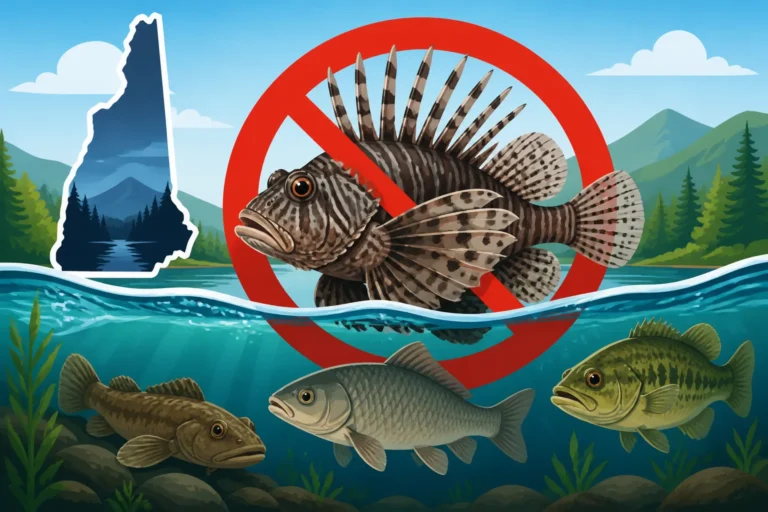
Invasive fish species in New Hampshire waters disrupt native brook trout populations, degrade ecosystems, and damage local economies.
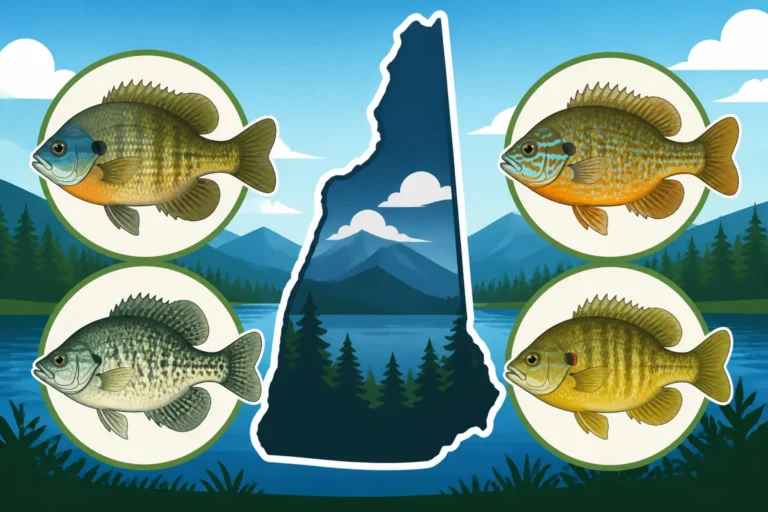
New Hampshire panfish identification tips help anglers correctly name yellow perch and black crappie caught in local lakes and ponds.
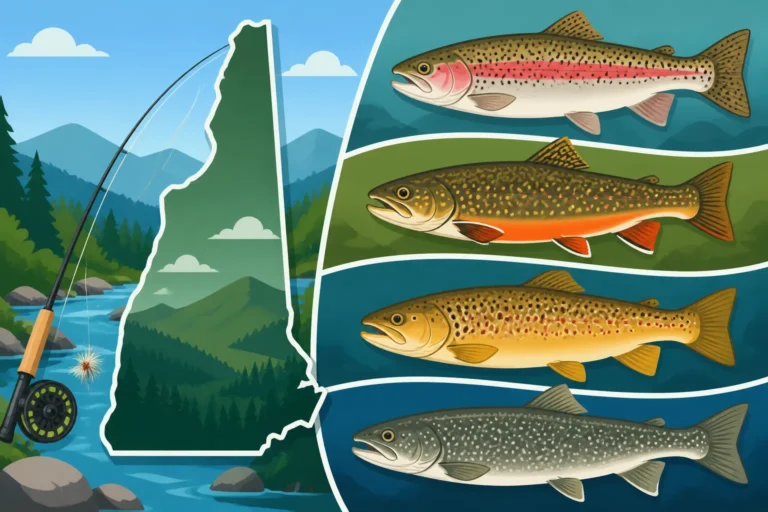
New Hampshire trout identification details brook trout, rainbow trout, and brown trout markings, colors, and physical features.
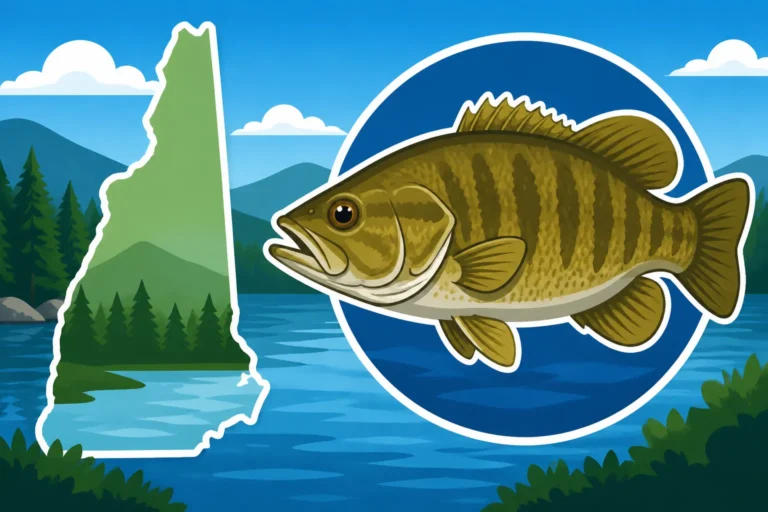
Smallmouth bass average size in New Hampshire lakes depends on forage, water temperature, genetics, and population density.

New Hampshire landlocked salmon growth rates and the environmental factors influencing trophy sizes in cold freshwater lakes.
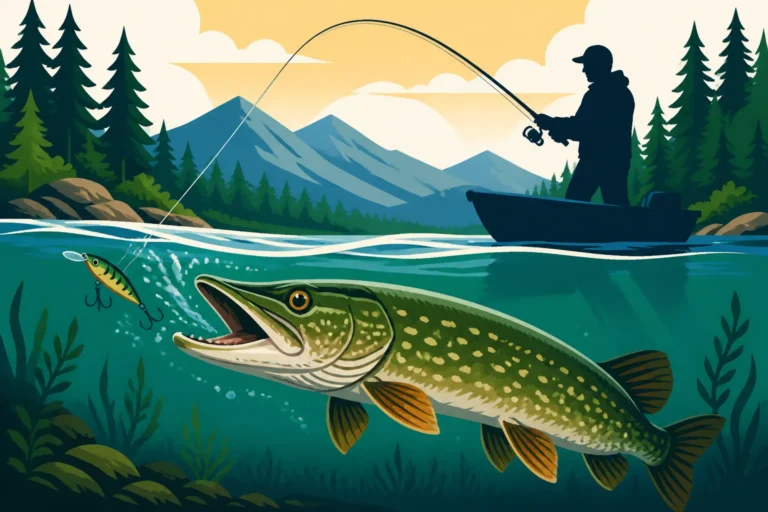
Northern pike populations in New Hampshire offer anglers aggressive strikes and challenging fishing opportunities across specific waters.
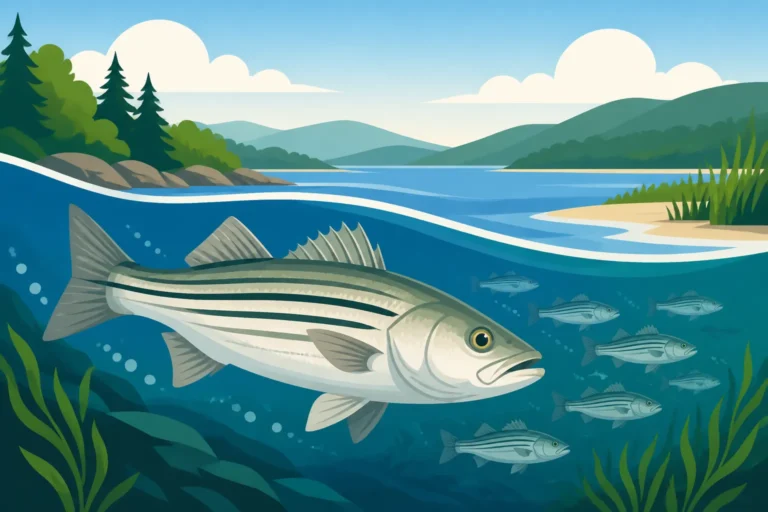
Striped bass migration into the Great Bay Estuary, driven by temperature and baitfish, brings fish to New Hampshire waters.
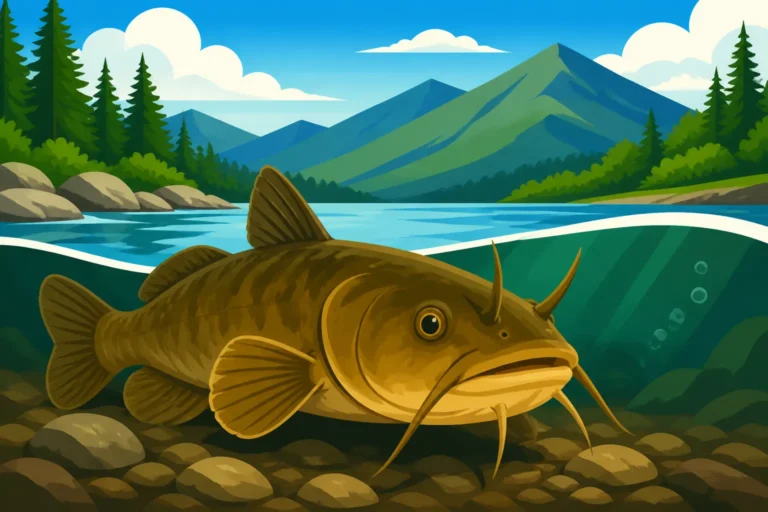
Horned pout fishing in New Hampshire involves targeting brown bullhead using simple gear during their nocturnal feeding hours.
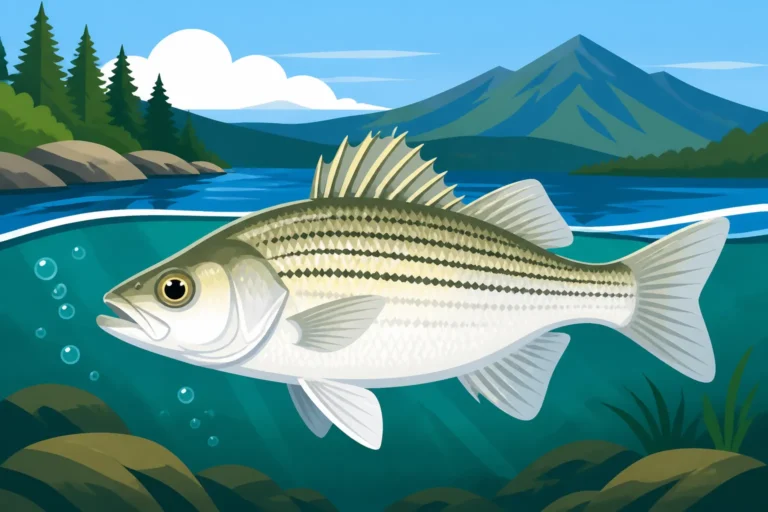
White perch identification features help New Hampshire anglers distinguish these silvery fish from yellow perch and striped bass.
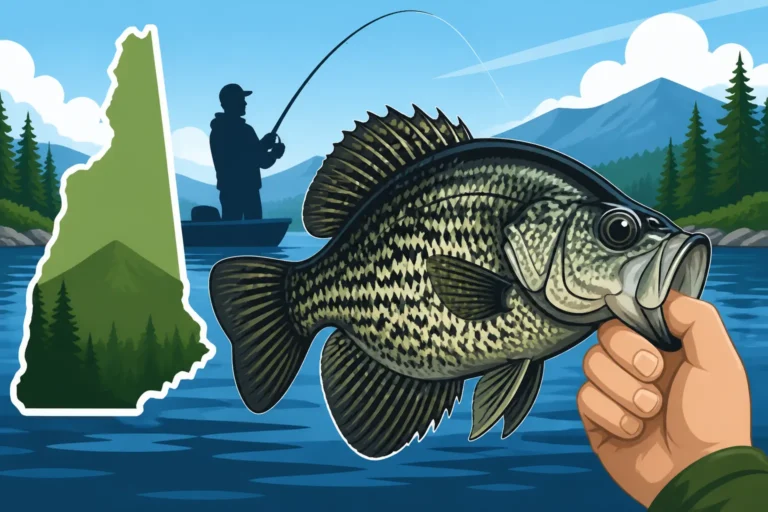
Black crappie in New Hampshire waters provide great fishing opportunities for anglers who understand their habits and habitats.