Topwater Fishing for Smallmouth Bass in New Hampshire
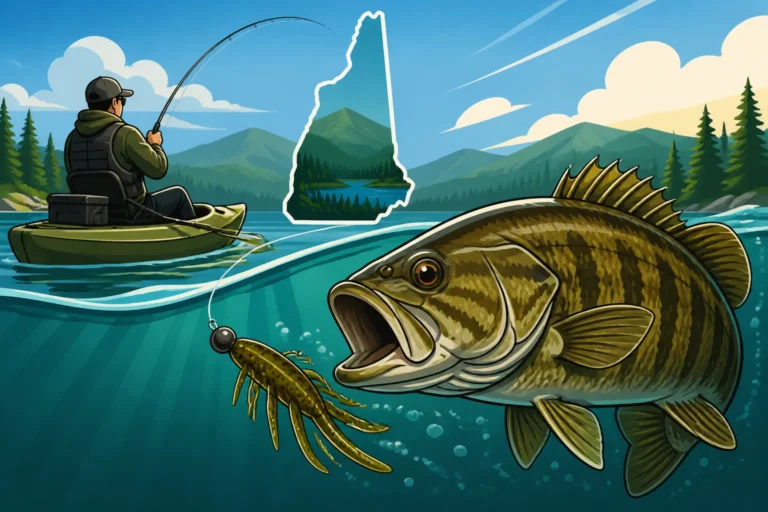
Few fishing experiences compare to the explosive thrill of a smallmouth bass blowing up on a topwater lure. It's not just a bite; it's an event, a sudden eruption that sends adrenaline coursing through your veins. However, getting these bronze bombers to commit to a surface strike in New Hampshire's diverse waters can feel like a puzzle, especially when they seem lethargic or shy. This guide will walk you through everything you need to know to unlock the incredible excitement of topwater fishing for smallmouth bass across the Granite State, from understanding their behavior to selecting the perfect lure and mastering the retrieve.
Why Topwater Fishing for New Hampshire Smallmouth Bass is Unbeatable
There's something inherently captivating about topwater fishing that keeps anglers coming back for more, especially when targeting feisty smallmouth bass. It’s a completely different game than working baits subsurface, offering a unique blend of visual excitement and strategic challenge. When a smallmouth decides to ambush a lure on the surface, it’s rarely subtle—it’s a commitment, a dramatic display of predatory instinct that makes every cast a potential heart-stopper.
The Thrill and Visual Excitement
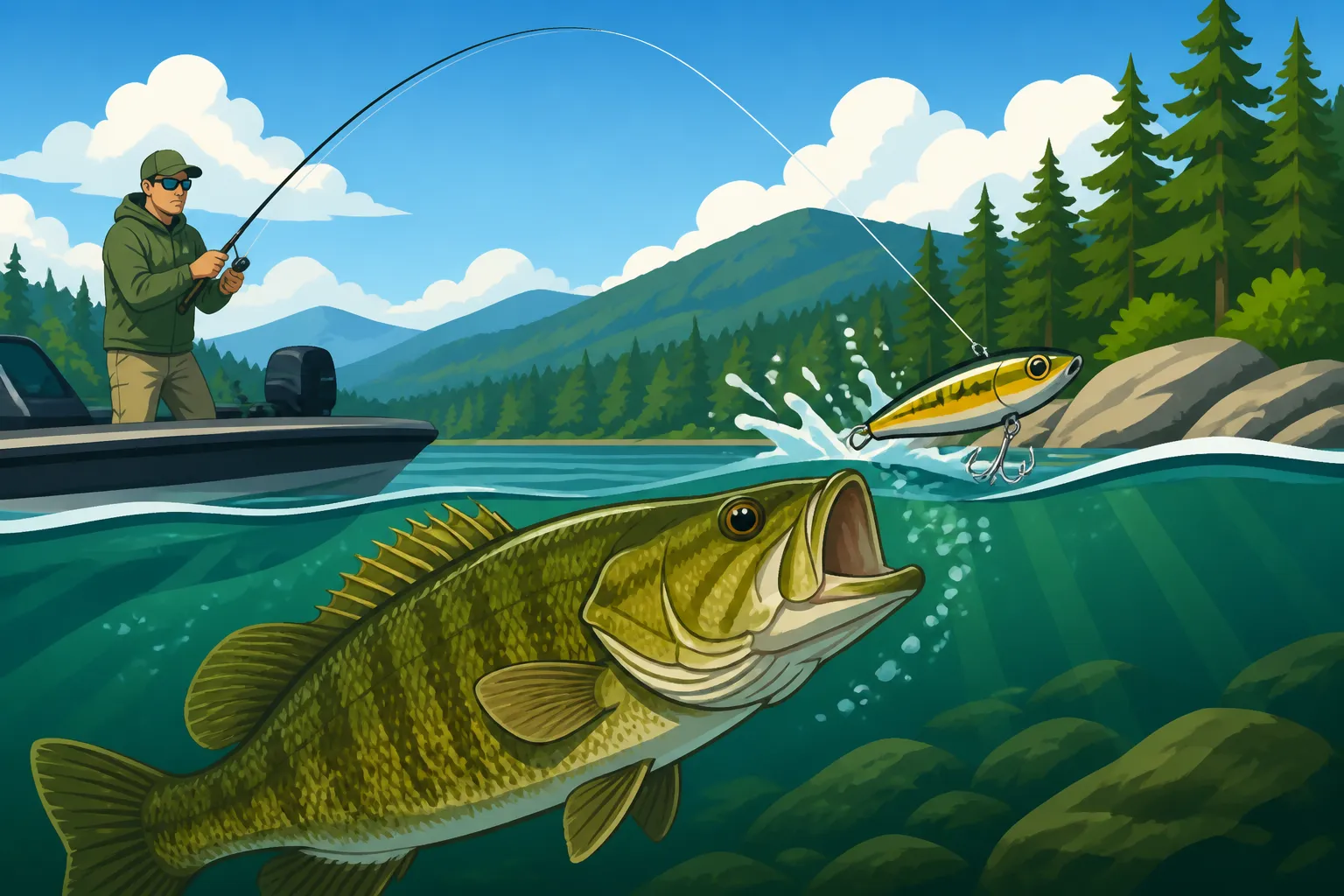
Let's be honest, we all love a good fight, but a topwater strike is a whole different ballgame. You see it all unfold. The subtle ripple of a smallmouth tracking your bait, the sudden boil just behind it, and then the violent, often startling, explosion as it smashes the lure. Sometimes they miss, leaving a gaping hole in the water where your bait once was, only to come back seconds later with even more aggression. This visual aspect creates an unparalleled connection to the hunt, making it incredibly addictive. It’s the kind of fishing that you’ll replay in your head long after you’ve left the water, recounting every splash and every jump.
This isn't just about catching fish; it's about the spectacle. The way the water erupts, the sound of the splash, the sudden tension on your line – it’s a full sensory experience. Even on days when the fish aren't biting consistently, the sheer anticipation of that next surface strike is enough to keep you engaged and casting. It transforms a quiet morning on the lake into a high-stakes drama, where every retrieve is loaded with potential. For many anglers, it’s not just their preferred method; it’s the only method they want to use when conditions allow, purely for the unadulterated excitement it delivers.
When Smallmouth Bass Look Up
Smallmouth bass are opportunistic predators, always on the lookout for an easy meal. While they spend a lot of time hunting crayfish and baitfish beneath the surface, there are specific times and conditions that compel them to shift their focus upwards. Think about what natural prey items might be found on the surface: struggling baitfish, insects that have fallen into the water, or even frogs making their way across a lily pad field. When these natural forage options are abundant or easily accessible on the surface, smallmouth bass will naturally be scanning the water above them.
This "looking up" behavior is often triggered by specific environmental cues. Low light conditions, like early morning or late evening, often bring baitfish closer to the surface. Insect hatches can also draw smallmouth to feed on insects trapped in the surface film. Understanding these triggers is key to knowing when to tie on a topwater bait. When these conditions align, smallmouth are more likely to forgo chasing a deeper presentation and instead, actively hunt for anything moving or struggling on the surface. It's about tapping into their natural feeding instincts when they are most vulnerable or active in the upper water column.
Targeting Specific Structure
Topwater lures are incredibly effective tools for targeting specific types of structure where smallmouth bass love to ambush prey. Unlike baits that dive and can get snagged, topwater lures allow you to work right over the top of submerged rocks, weed lines, and fallen timber. This precision is invaluable in New Hampshire's rocky lakes and rivers, which are absolutely loaded with prime smallmouth habitat. Imagine working a popper right up to a partially submerged boulder or walking a dog bait along the edge of a deep weed bed. You can place your lure exactly where you suspect a smallmouth is lurking, waiting for its next meal.
The ability to present a bait directly over cover without fear of snagging means you can put your lure in the strike zone longer and more effectively. Smallmouth bass are notorious for hiding near cover, ready to dart out and ambush. Topwater presentations often draw them out of these hiding spots, sometimes from surprising depths. This method allows you to probe areas that might be too shallow or too snag-prone for diving baits, effectively expanding your fishable water. Whether it's the shade line created by an overhanging tree, the turbulent water below a rapids in a river, or the transition zone between a sandy flat and a rocky drop-off, topwater excels at pinpointing and provoking strikes from these cover-oriented fish.
Prime Conditions for Topwater Smallmouth in New Hampshire
Just like any fishing technique, topwater fishing for smallmouth bass isn't always equally effective. There are certain windows of opportunity when the conditions align perfectly to encourage these bronze beauties to smash a surface lure. Understanding these prime conditions can drastically increase your success rate and ensure you're making the most of your time on New Hampshire's waters. It's about being in the right place at the right time with the right presentation, rather than just blindly casting.
Ideal Seasons and Times of Day
In New Hampshire, the prime topwater season for smallmouth bass generally kicks off in late spring, as water temperatures begin to rise, and extends through the summer and into early fall. The pre-spawn period in late May and early June can be phenomenal, as smallmouth are actively feeding and becoming more aggressive. Once summer truly settles in, the early morning hours and late evenings are often the most productive. The lower light levels and cooler air temperatures at dawn and dusk make smallmouth more comfortable hunting in the shallow water columns. You might find detailed information on these seasonal patterns in our guide on Best Time of Year to Fish in New Hampshire.
During the brightest, hottest parts of the day, smallmouth often retreat to deeper, cooler water or seek shade. However, don't rule out topwater entirely on sunny afternoons. If you're targeting areas with heavy shade from overhanging trees or docks, or fishing on overcast days, you can still find success. During these periods, working your bait slowly and deliberately, giving the bass ample time to react, can make all the difference. As fall approaches, and water temperatures gradually cool, those crisp, sunny autumn mornings can also provide some fantastic topwater action as smallmouth aggressively feed up before winter.
Water Temperature and Clarity Sweet Spots
Water temperature plays a crucial role in smallmouth activity levels and their willingness to chase a topwater lure. Generally, water temperatures between 60 and 75 degrees Fahrenheit (15-24 degrees Celsius) are ideal. In this range, smallmouth are active, their metabolism is high, and they're more inclined to feed aggressively near the surface. You can learn more about specific preferences in our article, What water temperature smallmouth bass prefer If the water is too cold, they'll typically hug the bottom, conserving energy. If it gets excessively hot, they might become lethargic, though still callable to the surface in low light.
Water clarity is another key factor. Smallmouth are sight feeders, and topwater relies heavily on their ability to see and track the lure. Clear to lightly stained water is usually best. In crystal clear lakes like Squam Lake or parts of Lake Winnipesaukee, smallmouth can be very spooky, so longer casts and quieter presentations are crucial. In slightly stained water, they might be more aggressive and less wary. Extremely muddy or turbid water, often found after heavy rains, usually shuts down the topwater bite because fish can't see the lure effectively. Look for stable water conditions where clarity hasn't been dramatically impacted.
Weather Patterns to Watch For
The weather, as every New Hampshire angler knows, can change on a dime and significantly impact fishing. For topwater smallmouth, certain weather patterns are far more favorable than others. Overcast days with a light chop on the water can be phenomenal. The clouds diffuse the sunlight, making bass more comfortable in shallow water, and the chop breaks up the surface, making your lure appear more natural and harder for the bass to scrutinize. Think about how much more relaxed you feel on a cloudy day versus squinting in direct sun; bass feel similar.
Approaching fronts can also trigger feeding frenzies, including on topwater. Just before a cold front or a storm rolls in, the barometric pressure drops, often making fish more active and aggressive. Post-front conditions, however, can be challenging. High pressure, clear skies, and bright sunshine often make smallmouth retreat to deeper water or dense cover, making topwater a tougher sell, though not impossible in low light. A gentle breeze, creating that subtle chop, is usually a friend to the topwater angler, helping to mask your presence and add natural movement to your lure. Avoid days with strong winds that make boat control difficult and casting accurate topwater baits nearly impossible.
Essential Topwater Lures and How to Work Them
When it comes to topwater fishing for smallmouth bass in New Hampshire, having the right lure in your tackle box is only half the battle. Knowing how to work that lure to mimic struggling prey or fleeing baitfish is what truly makes the difference. Each style of topwater bait has its own unique action and appeal, and mastering these retrieves will dramatically increase your hook-up ratio. You can find a wide selection of these lures available on Amazon, making it easy to stock up for your next trip.
Poppers and Chuggers
Poppers and chuggers are arguably the most iconic topwater lures, instantly recognizable by their cupped faces designed to displace water. When retrieved correctly, they create a distinct "bloop" or "pop" sound and a splash that perfectly imitates a struggling baitfish or a frog leaping into the water. Brands like Rebel Pop-R and Heddon Pop-R are staples for many anglers. The key to working these lures effectively is often a "pop-pause" retrieve. Cast your popper near a likely holding spot, let the ripples dissipate, then give a sharp, downward twitch of your rod tip. This will make the lure "pop" and splash. Immediately after the pop, let it sit motionless for anywhere from 3 to 10 seconds.
The duration of the pause is critical and can vary daily. Sometimes, smallmouth will hit it immediately after the pop; other times, they prefer to eyeball it for a long, agonizing pause before striking. Experiment with your cadence: a quick "pop-pop-pause," a single "pop-pause," or even just twitching it lightly to make it subtly ripple without a loud pop. These lures are particularly effective around rocky shorelines, submerged timber, and weed edges where bass might be looking up for an easy meal. Remember, the louder the pop, the more attention it draws, which can be great for aggressive fish but might spook wary ones.
Walk-the-Dog Baits
Walk-the-dog baits, often referred to as "spooks" after the famous Heddon Zara Spook, are a different breed of topwater lure. These cigar-shaped baits don't pop; instead, they glide from side to side across the surface in a mesmerizing zig-zag pattern. This action is incredibly realistic, mimicking a dying baitfish or a rodent swimming erratically across the water. The retrieve for these lures takes practice but is immensely rewarding. It involves a continuous, rhythmic twitching of the rod tip while reeling in slack. Think of it as a "slack line" retrieve.
Here's how it works: Cast out, let the lure settle, then point your rod tip down towards the water. Give a short, sharp twitch of the rod tip, then immediately drop the rod tip back towards the lure, reeling in a small amount of slack as you do so. Repeat this motion, and with practice, your lure will "walk" back and forth. The key is to keep a slight amount of slack in your line during the twitch, which allows the lure to pivot. If your line is too tight, it will just pull straight. Walk-the-dog baits are excellent for covering water, especially over shallow flats, along vast weed lines, or even in open water when smallmouth are chasing schools of baitfish. Many anglers consider this one of the most exciting ways to target smallmouth on the surface.
Prop Baits and Buzzbaits
Prop baits feature small propellers, either at the front, back, or both ends, that churn water and create a commotion as the lure is retrieved. Lures like the Heddon Torpedo or Rapala Skitter Prop are classic examples. These baits create a bubbling, spitting action that can be incredibly effective, especially when smallmouth are feeding aggressively. The retrieve for prop baits is usually a steady retrieve with occasional twitches or pauses. The propellers create a distinctive sound and surface disturbance that can call fish from a distance, making them great search baits in certain conditions.
Buzzbaits, on the other hand, are designed for continuous, high-speed retrieves. They feature a large, angled prop blade that spins rapidly, creating a loud "buzzing" or "squealing" sound and a significant surface disturbance. Buzzbaits are fantastic for covering a lot of water quickly and provoking reaction strikes from aggressive smallmouth. They are particularly effective around heavy cover, like dense lily pads or fallen trees, where bass don't have much time to inspect the lure before it passes. Cast them out, start reeling as soon as they hit the water to get the blade spinning, and maintain a steady retrieve. Don't be afraid to experiment with retrieve speed; sometimes a faster buzz is better, other times a slower, more deliberate one is key.
Gear Up: Rods, Reels, and Line for Topwater Action
Having the right equipment can make a significant difference in your topwater fishing success. It's not just about having a rod and reel; it's about having the right rod and reel that complement your chosen lures and allow you to effectively work them and land those explosive smallmouth. Whether you're a seasoned pro or just starting out, investing in appropriate gear will enhance your experience and performance on the water.
Rod Selection for Accuracy and Hooksets
For most topwater smallmouth applications in New Hampshire, a medium-heavy to heavy power spinning rod or casting rod with a fast to extra-fast action is ideal. A rod in the 6'6" to 7'2" range is usually a good starting point. The fast action tip is crucial for imparting the subtle twitches needed for poppers and walk-the-dog baits, while the strong backbone provides the power for long casts, driving hooks home, and fighting feisty smallmouth away from cover. You might check out options like the St. Croix Bass X or the Fenwick HMG, which offer a great balance of sensitivity and power. If you prefer spinning setups, our guide on Best Spinning Rods for Smallmouth Bass offers excellent recommendations.
A longer rod (7' to 7'6") can be beneficial for making longer casts, which is often necessary when fishing clear New Hampshire lakes where smallmouth can be spooky. It also helps with line management and gives you more leverage to steer a big smallmouth away from snags. However, shorter rods (6'6" to 6'9") offer more accuracy for pitching lures into tight pockets around docks or overhanging branches. Ultimately, choose a rod that feels balanced in your hand and allows you to comfortably work your chosen topwater lures all day long without fatigue. Remember, the rod is an extension of your arm, and precision is key in topwater fishing.
Reels and Line Choices for Optimal Performance
Matching your rod with the right reel is paramount. For spinning setups, a 2500- to 3000-series reel will provide ample line capacity and a smooth drag system, which is essential when a big smallmouth decides to make a run. For baitcasting setups, a reel with a gear ratio in the 6.X:1 to 7.X:1 range is versatile. A faster retrieve (7.X:1) is great for buzzbaits and quickly picking up slack, while a slightly slower one (6.X:1) can be better for poppers or walk-the-dog baits where a slower, more deliberate retrieve is needed. Brands like Shimano and Daiwa consistently deliver reliable performance. Many excellent choices are available on Amazon with quick delivery, ensuring you’re ready for the season.
Line choice is critical for topwater fishing. Monofilament line is a classic choice, and for good reason. Its buoyancy helps topwater lures float higher and move more naturally on the surface. The stretch in mono also acts as a shock absorber, reducing the chance of pulling the hooks out during an aggressive strike or head shake. A 10-15 lb test monofilament is a versatile choice. Fluorocarbon, while highly abrasion-resistant and nearly invisible, sinks, which can hinder the action of some topwater baits. Braided line is also an option, particularly for buzzbaits or fishing in heavy cover, due to its incredible strength and lack of stretch. However, its zero-stretch quality can sometimes lead to ripped hooks if you set too hard. If using braid, a monofilament or fluorocarbon leader of 12-20 inches can reduce visibility and add a bit of shock absorption.
Essential Accessories
Beyond your rod, reel, and line, a few key accessories can enhance your topwater smallmouth fishing experience. First, a good pair of polarized sunglasses is non-negotiable. They cut glare, allowing you to see your lure's action more clearly, spot incoming bass, and even identify subtle structure just below the surface. Companies like Costa Del Mar or Oakley offer excellent optics. Second, a pair of sharp, long-nosed pliers or forceps is invaluable for safely unhooking fish, especially if they've swallowed the lure or have multiple trebles embedded. Catch-and-release is vital for sustaining New Hampshire's fisheries, and proper unhooking tools minimize stress on the fish.
Finally, consider a small tackle bag or box specifically for your topwater arsenal. This keeps your lures organized and easily accessible, preventing tangled hooks and wasted time searching. A small net can also be a lifesaver, especially when you've got a big smallmouth thrashing at the side of the boat on a topwater lure with exposed hooks. These seemingly small additions can make a huge difference in efficiency, safety, and overall enjoyment of your day on the water.
Mastering the Retrieve: Techniques for Tricky Smallmouth
Catching smallmouth bass on topwater isn't just about casting out the right lure; it's an art form. The retrieve, the cadence, the pauses, the subtle twitches – these are the nuances that separate a casual angler from a topwater master. New Hampshire smallmouth, especially in heavily fished waters, can be particular, and understanding how to tempt them when they're being finicky is a game-changer.
Varying Your Cadence and Speed
The most common mistake in topwater fishing is using a monotonous retrieve. Smallmouth bass are predatory and react to unpredictability. Start by experimenting. Sometimes, a fast, aggressive "pop-pop-pop" followed by a sudden stop is what triggers an explosive strike. Other times, a slow, methodical "pop…pause…pop…long pause" is the ticket, allowing the fish more time to approach and commit. The length of the pause is often the most critical element; don't be afraid to let your lure sit for 10-15 seconds, especially in calm, clear water. Often, a bass will strike the motionless bait.
Pay close attention to how the fish are reacting. If they're blowing up behind the lure but not hooking up, try speeding up your retrieve or making your pauses shorter to prevent them from getting too good a look. Conversely, if you're not seeing any interest, slow everything down, increase your pause duration, and try more subtle twitches. Environmental factors also play a role: in cooler water or under high pressure, a slower, more deliberate retrieve is usually more effective. In warmer water or during low light, aggressive, faster presentations can often ignite a feeding frenzy. Never be afraid to deviate from the standard retrieve; variety is the spice of life for smallmouth bass.
Reading the Water and Anticipating Strikes
Reading the water is a fundamental skill in all forms of fishing, but it's particularly vital for topwater. Look for areas where smallmouth are likely to ambush prey. This includes rocky points, current breaks, the edges of weed beds, submerged timber, and drop-offs. Any area that provides cover or an ambush point is prime territory. You can gain insights into effective approaches for identifying these spots by reviewing our guide on How to read structure for smallmouth on Winnipesaukee. Also, keep an eye out for signs of baitfish, such as dimpling on the surface, or the occasional smallmouth busting on bait. These are clear indicators that fish are active and looking up.
Anticipating a strike is a learned reflex. When you cast your lure, mentally mark potential ambush points along its path. As your lure approaches these areas, heighten your concentration. You might see a ripple behind your bait, a bulge in the water, or even a fish wake heading towards your lure. These are critical moments. Maintain your retrieve, but be ready for the explosion. Don't pull the lure away from a following fish; often, they need to track it for a bit before committing. Visual cues can give you precious seconds to prepare for the inevitable strike, ensuring a better hookset and a higher chance of landing that fish.
Hookset Timing and Fighting Fish
One of the biggest challenges in topwater fishing is the hookset. Your instinct will be to set the hook the instant you see the splash. Resist this urge! Often, when a smallmouth strikes a topwater lure, it creates a lot of commotion but hasn't fully ingested the bait yet. Setting the hook too early will pull the lure away from the fish's mouth, resulting in a missed strike. The golden rule for topwater is to "feel the fish" or "wait until you see your rod load up."
Once you see the splash, count to one or two seconds, or wait until you feel the weight of the fish on your line, and then deliver a strong, sweeping hookset. Don't use a sharp, upward snap that can pull the lure out. Instead, sweep the rod to the side, maintaining tension. Once hooked, smallmouth are notorious fighters, known for their powerful runs and acrobatic jumps. Keep your rod tip high, maintain constant pressure, and try to keep the fish's head submerged as much as possible to prevent them from jumping and throwing the hooks. When they jump, bow your rod to them (lower the tip quickly) to create slack and reduce the chance of the hook tearing out. Pay close attention to New Hampshire Bass Limits and Slot Rules to ensure you're compliant with regulations.
Top New Hampshire Smallmouth Waters for Topwater Action
New Hampshire boasts an incredible array of lakes and rivers, many of which are absolutely teeming with smallmouth bass. While topwater can be effective on nearly any smallmouth water, certain locations consistently produce exceptional surface action, making them prime destinations for anglers seeking that explosive topwater thrill.
Lake Winnipesaukee and Other Major Lakes
Lake Winnipesaukee is arguably New Hampshire's most famous lake and a true smallmouth mecca. Its vast expanse, rocky bottom, numerous islands, and abundant structure make it perfect for topwater action, especially during the summer months. Anglers can spend days exploring its countless coves, points, and humps, finding aggressive smallmouth willing to smash a surface lure. Concentrate your efforts around rocky shorelines, submerged humps, and the edges of weed lines, particularly in areas with good baitfish populations. Our detailed guide on Lake Winnipesaukee Smallmouth Bass Fishing offers even more specific insights into this legendary fishery.
Beyond Winnipesaukee, other major lakes like Squam Lake, Newfound Lake, and Lake Sunapee also offer fantastic topwater opportunities. Squam Lake, with its clear waters and numerous islands, is known for its healthy smallmouth population, though these fish can be warier due to the clarity. Newfound Lake, renowned for its depth and stunning beauty, also holds strong numbers of smallmouth that readily take topwater baits, especially around its rocky structure. These larger lakes are often featured in our Best Fishing Lakes in New Hampshire overview, providing a broader look at prime locations. Focus on the early morning and late evening bites in these lakes, particularly during warmer weather, as smallmouth will move shallower to feed under low light conditions.
River Systems for Aggressive Smallmouth
New Hampshire's rivers also provide some incredible topwater smallmouth fishing, often characterized by more aggressive, current-oriented fish. The Merrimack River, for instance, particularly its stretches below dams or through more natural sections, holds excellent smallmouth populations. Focus on current seams, eddies behind boulders, and slack water pockets where smallmouth will sit and wait for prey to be swept by. The Contoocook River and parts of the Saco River also offer fantastic riverine smallmouth action. These rivers are prime spots for working buzzbaits and prop baits, as the current can enhance their natural action.
River smallmouth are often built for speed and aggression, and they typically won't hesitate to smash a topwater lure presented effectively. Kayak fishing or wading can be particularly effective in these environments, allowing you to quietly access prime spots. Look for areas where feeder creeks enter the main river, creating current breaks and bringing in new food sources. Also, target shallower riffles and rocky runs where baitfish might be congregating. The dynamic nature of river fishing means constant adaptation to current and structure, but the rewards are often spectacular, with hard-fighting fish that pull like freight trains. You can explore more river options in our compilation of Best Fishing Rivers in New Hampshire.
Hidden Gems and Pond Opportunities
While the big lakes and rivers get most of the attention, New Hampshire also has countless smaller ponds and lesser-known lakes that can offer incredible, often unpressured, topwater smallmouth fishing. These smaller bodies of water might not produce the same numbers as Winnipesaukee, but they often hold surprisingly large smallmouth that are less wary of surface presentations. Pawtuckaway Lake and Silver Lake, for example, are known for their strong smallmouth populations and provide excellent topwater action, especially around their rocky points and ledges.
When exploring these hidden gems, look for similar structure as in larger lakes: rocky shorelines, submerged timber, and weed edges. Access might be more limited, sometimes requiring a canoe or kayak, which can be an advantage as it means less fishing pressure. These ponds can be especially rewarding during the pre-spawn and early summer, when smallmouth are actively cruising the shallows. Don't overlook these smaller, often quieter, waters. They can be fantastic places to experiment with different topwater lures and retrieves, and you might just discover your new favorite smallmouth hotspot without the crowds.
| Topwater Lure Type | Best Conditions | Retrieve Style | Target Species |
|---|---|---|---|
| Poppers/Chuggers | Calm to light chop, low light, around cover | Pop-pause, twitch-pause | Smallmouth Bass, Largemouth Bass, Pickerel |
| Walk-the-Dog Baits | Light chop to calm, clear water, open flats | Erratic zig-zagging, "walk the dog" | Smallmouth Bass, Largemouth Bass, Striped Bass |
| Prop Baits | Moderate chop, active fish, around cover | Steady retrieve with twitches | Smallmouth Bass, Largemouth Bass, Pickerel |
| Buzzbaits | Heavy cover, low light, aggressive fish | Fast, steady retrieve | Smallmouth Bass, Largemouth Bass, Northern Pike |
Disclaimer
The information provided in this guide is for informational purposes only and is based on general knowledge and web searches available up to the date of publication. Fishing conditions, regulations, and fish behavior can change rapidly. Always consult the latest New Hampshire Fish and Game Department regulations before fishing. Adherence to all local, state, and federal laws is the responsibility of the angler. Fishing carries inherent risks, and caution should always be exercised.