Best catfish and bullhead ponds in New Hampshire
For many anglers in New Hampshire, the dream often revolves around the flash of a rainbow trout in a clear mountain stream, or the explosive strike of a smallmouth bass on a sprawling lake. But let's be real, sometimes you just want a low-key, fun, and often delicious fishing experience that doesn't require a whole tackle shop's worth of specialized gear. That's where New Hampshire's overlooked gems – its catfish and bullhead ponds – truly shine. This guide will walk you through where to find these whiskered wonders and how to catch them, ensuring you have a fantastic time on the water.
The Allure of Catfish and Bullhead Fishing in New Hampshire
It's easy to get caught up in the pursuit of "glamor" fish, but there's a unique charm to chasing catfish and bullhead. They're abundant, often willing to bite, and offer a surprisingly strong fight on light tackle. Plus, they make for some mighty fine eating, especially the smaller bullheads. This isn't just about catching fish; it's about relaxing by the water, maybe even introducing a new generation to the joy of fishing without the pressure of complex techniques or expensive equipment.
Target Species: Channel Catfish vs. Bullhead
When we talk about catfish in New Hampshire, we're primarily looking at two main groups: channel catfish and bullheads. While they share some similarities, understanding their differences will help you target them more effectively.
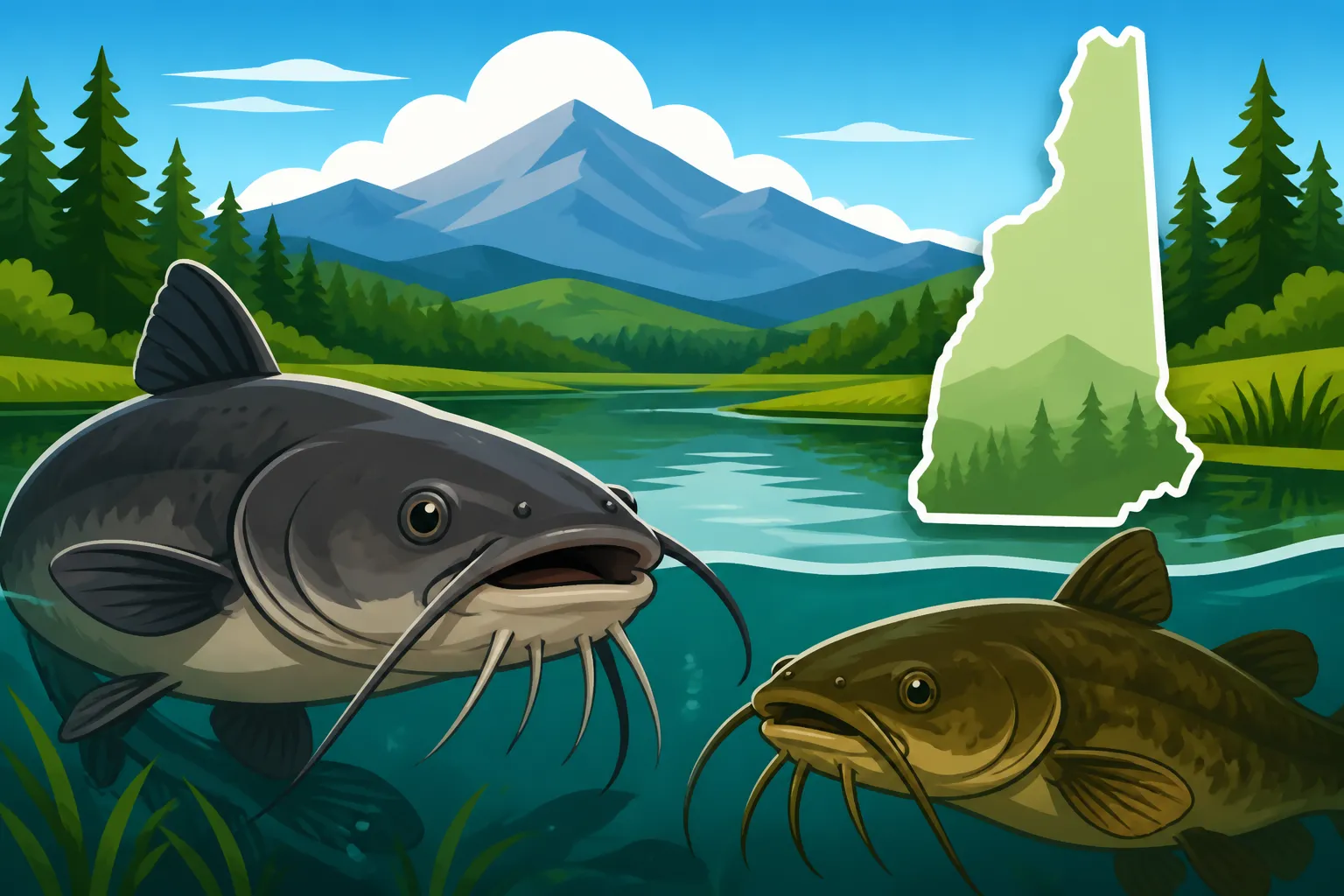
Channel Catfish are sleek, silvery, and can grow quite large in New Hampshire's deeper waters, often reaching weights of several pounds, with the state record pushing into the high teens. They have a forked tail, making them distinguishable from their bullhead cousins. These fish are more typically found in larger rivers and lakes, preferring deeper channels and cooler, cleaner water than bullheads. They're prized for their fighting ability and their firm, white flesh. If you're looking for a serious battle on the end of your line, a big channel cat is what you're after.
Bullheads, on the other hand, are the everyman's catfish. New Hampshire is primarily home to Brown Bullhead, though Yellow and Black Bullheads can also be found. They're typically smaller, rarely exceeding a few pounds, with a blockier body, often mottled brown or olive coloration, and a square or slightly rounded tail. Bullheads are incredibly resilient and thrive in a wide range of environments, from muddy ponds to slow-moving rivers. They are truly everywhere, making them an excellent target for beginners or anyone seeking consistent action. Their meat is also very tasty, especially when filleted and fried.
Habitat Preferences: Where to Find Them
Knowing where these fish like to hang out is half the battle. Both channel catfish and bullheads are bottom dwellers, but their specific preferences vary.
Bullheads are kings of the shallow, warm, and often murky waters. Think stagnant coves, weed beds, silty bottoms, and slow-moving sections of rivers. They are incredibly tolerant of low oxygen levels and can thrive in places where many other fish struggle. Look for them in ponds with plenty of aquatic vegetation, especially those with soft, muddy bottoms where they can root around for food. During the day, they might retreat to slightly deeper water or denser cover, but as evening approaches, they often move into the shallows to feed.
Channel Catfish prefer a bit more structure and depth. In rivers like the Merrimack, they'll congregate in deeper holes, around submerged logs, rock piles, and current breaks. In larger lakes, look for them along drop-offs, near river inlets, or in areas with submerged brush and timber. They appreciate a bit of current but will often hold just out of the main flow, conserving energy while waiting for food to drift by. While they will venture into shallower areas to feed, especially at night, targeting deeper, structured areas during the day will often yield better results for these larger catfish.
Why They're Great for Anglers: Easy Access, Fun Fight, Family-Friendly
Fishing for catfish and bullhead is incredibly accessible. You don't need a fancy boat; bank fishing is often just as effective. This makes it a perfect activity for families, especially with kids, as the action can be consistent, keeping young anglers engaged. The bite can be subtle or aggressive, and even a modest bullhead can pull hard, providing an exciting experience. Plus, they’re often found in waters closer to populated areas, reducing travel time and making a quick evening trip feasible.
Many New Hampshire anglers overlook these species, focusing instead on trout or bass, but missing out on a fantastic opportunity. The simplicity, the thrill, and the delicious reward make catfish and bullhead fishing a true joy. Don't underestimate the satisfaction of catching a stringer of plump bullheads for a fish fry – it’s a quintessential New England experience! Remember, to enjoy this, you'll need a valid license. You can find more information about obtaining one in the guide, How to Buy a Fishing License Online in New Hampshire.
Prime Ponds and Lakes for Catfish and Bullhead in the Granite State
New Hampshire is dotted with fantastic warm-water fisheries that hold healthy populations of catfish and bullhead. While bullheads are widespread, targeting channel catfish often requires a bit more specific knowledge. Here are some of the best places to wet a line for these whiskered denizens.
Southern New Hampshire Hotspots
The more populated southern region of New Hampshire offers several excellent locations for both bullhead and, in some cases, channel catfish, often within a reasonable drive from major towns and cities.
Pawtuckaway Lake in Nottingham is a fantastic multi-species fishery, and it's particularly well-regarded for its robust bullhead population. This large lake features numerous coves, shallow bays, and plenty of aquatic vegetation, creating ideal habitat for bullheads. The lake also has several public access points, including a state park, making it easy to get to the water. Anglers often find bullheads congregating in the shallower, warmer sections, especially around sunset. Beyond bullheads, Pawtuckaway is also known for its bass and pickerel, offering diverse angling opportunities. For more insights into this specific fishery, check out our guide on Pawtuckaway Lake Fishing.
Massabesic Lake in Manchester/Auburn is another excellent choice, especially if you're targeting larger channel catfish. While it's a major drinking water supply, fishing is permitted from certain shorelines and by boat (with specific restrictions). The lake's deep basins and varied structure provide ample habitat for channel cats. Bullheads are also very common in the shallower coves. Anglers often have success fishing deeper holes or along drop-offs with cut bait or nightcrawlers. Due to its status as a water supply, it's crucial to be aware of and follow all local regulations and restrictions, which are typically well-posted.
Many smaller, unnamed ponds and farm ponds throughout Rockingham and Hillsborough counties also hold incredibly dense populations of brown bullheads. These aren't always officially recognized "spots," but they are often local favorites. A little bit of local inquiry or driving around can reveal hidden gems. These ponds, often shallow and weedy, are perfect bullhead factories, offering easy access and consistent bites. Just ensure you have permission if fishing on private land.
Lakes and Rivers Across the State
Beyond the immediate southern region, other significant bodies of water offer great catfishing potential.
The Merrimack River, especially its slower-moving sections and oxbows, is arguably New Hampshire's premier channel catfish fishery. From Franklin down to the Massachusetts border, the river provides extensive habitat. Look for deeper pools, areas downstream of dams (but be mindful of safety and regulations), and confluence points where smaller streams enter the main river. The river's murky water and abundant forage make it a perfect home for channel cats, some of which grow quite large. Night fishing on the Merrimack can be particularly productive for these impressive fish. The Merrimack River offers diverse fishing, and you can learn more at Merrimack River Fishing Spots.
Lake Winnisquam in the Lakes Region, while better known for trout and salmon, also holds a good population of bullheads in its shallower, warmer sections. Similar to Pawtuckaway, focusing on the weedy coves and quieter areas, especially after dark, can yield good results for bullheads. Its proximity to other popular fishing destinations makes it a convenient stop.
Other large lakes like Winnipesaukee and Newfound Lake also have bullhead populations, primarily in their shallower, weedy bays. While not typically targeted there, they are present and can provide unexpected action, particularly if you're targeting other species with bait. They might not be the primary draw, but they are certainly available for opportunistic anglers. For general information on some of the state's larger waters, our Best Fishing Lakes in New Hampshire guide is a great resource.
Hidden Gems and Local Favorites
Sometimes, the best spots aren't listed in official guides. Many small, community-run ponds or town reservoirs, often tucked away, can be phenomenal for bullheads. These locations typically have limited pressure and healthy populations.
For example, many small ponds and impoundments along agricultural areas or in more rural towns will have thriving bullhead populations. These waters tend to be rich in nutrients, supporting the invertebrate life that bullheads love to feast on. When you’re traveling through the state, keep an eye out for smaller bodies of water that might not seem like prime fishing spots at first glance. These often hold some of the most consistent bullhead action.
Another approach to discovering these spots is to consult local bait shops. The folks working there often have their ear to the ground and can point you toward less-publicized but highly productive waters. Similarly, checking local online fishing forums or community groups can yield valuable insights into these hidden gems. Don't be afraid to ask, and always be respectful of local knowledge and private property.
Here's a quick comparison of some popular bullhead and catfish spots:
| Water Body | Primary Species Targeted | Typical Size Range | Key Features for Fish | Accessibility Notes |
|---|---|---|---|---|
| Merrimack River | Channel Catfish | 2-15+ lbs | Deeper channels, current breaks, submerged structure | Numerous public access points, boat ramps. |
| Massabesic Lake | Channel Catfish, Bullhead | Catfish: 1-10 lbs; Bullhead: 0.5-2 lbs | Deep basins, some shallow coves, varied structure | Shoreline access & boat (restrictions apply due to water supply) |
| Pawtuckaway Lake | Brown Bullhead | 0.5-2 lbs | Shallow bays, abundant vegetation, muddy bottoms | State Park access, several public launches. |
| Winnisquam Lake | Brown Bullhead | 0.5-2 lbs | Weedy coves, shallower sections | Public launches, good shoreline access in some areas. |
| Local Farm Ponds | Brown Bullhead | 0.5-1.5 lbs | Warm, muddy bottoms, dense vegetation | Often private land, seek permission; some community access. |
When planning your trips to these or any other spots, consider leveraging resources like FishingBooker. While they mainly feature charter bookings for more "glamorous" species, browsing their listings can sometimes reveal local guides who specialize in diverse fishing experiences, even for catfish and bullheads, or at least give you an idea of popular fishing zones.
Effective Strategies and Baits for Landing New Hampshire Catfish and Bullhead
Catfish and bullhead aren't generally picky eaters, which is part of their appeal. However, understanding their feeding habits and preferences will significantly increase your success rate. These fish rely heavily on their excellent sense of smell and taste to locate food in murky waters or at night.
Go-To Baits and Rigs
The simpler, the better, is often the motto for catfish and bullhead bait. You don't need fancy lures or complex presentations.
Live Bait is king for both species. Nightcrawlers (earthworms) are universally effective and probably the most common bait used. Thread a whole worm or a chunk of one onto your hook, allowing the ends to dangle, which creates irresistible movement and scent. Shiners or other small baitfish, either live or cut into chunks, are also excellent, particularly for larger channel catfish. The oils and blood from cut bait create a strong scent trail that these fish can't resist.
For Channel Catfish, especially the bigger ones, consider cut bait from oily fish like mackerel, bunker (if you can get it), or even store-bought chicken livers. The stronger the smell, the better. Many anglers swear by letting chicken livers "sour" a bit before use. You can also buy commercially prepared "stink baits" or dough baits, which are specifically formulated with strong odors to attract catfish. These can be messy but are often very effective.
For Bullheads, plain nightcrawlers or red worms are usually all you need. Small pieces of hot dog, corn, or even bread can also work in a pinch, especially in heavily pressured ponds where they might be accustomed to diverse food sources. They’re bottom feeders, so your bait needs to be on or very near the bottom.
When it comes to rigs, a simple bottom rig is usually all that's necessary. This typically involves a sinker (like an egg sinker or pyramid sinker) that slides freely on your main line, followed by a swivel, and then a leader (12-18 inches of monofilament or fluorocarbon) tied to a single hook. The sliding sinker allows the fish to pick up the bait without feeling the weight of the sinker, giving you a better chance to set the hook. For more active fishing, especially with smaller bullheads, a simple bobber rig can also be effective. Just ensure your bait is suspended a few inches off the bottom.
Optimal Times and Conditions
Catfish and bullhead are largely nocturnal feeders, making night fishing one of the most productive times to target them. As the sun sets and temperatures cool, they become more active, moving into shallower areas to forage.
Evening and Night: Plan your trips from late afternoon into the evening, and even well after dark. That’s when the biggest channel cats and the most aggressive bullheads often bite. Bring a headlamp and bug spray!
Warm Water: Both species prefer warmer water temperatures. During the summer months, when trout fishing can slow down due to high water temperatures, catfish and bullhead fishing often hits its stride. After a warm rain, when runoff brings new food into the water and slightly discolors it, can also be an excellent time to fish. The reduced visibility often makes them feel more secure and less wary.
Overcast Days: While night is prime, an overcast or rainy day can also provide good daytime action, especially in waters that aren't too clear. The low light conditions mimic their preferred nocturnal environment.
Seasonally, late spring through early fall offers the most consistent action. As the water cools significantly in late fall and winter, their metabolism slows, and they become much less active, though persistent ice anglers can sometimes catch bullheads through the ice.
Tackle and Equipment Recommendations
You don't need a high-end setup for catfish and bullhead, which is another reason they're so appealing. A basic, reliable setup will serve you well. For a good starting point, consider our guide on the Best Rod and Reel Combo for Beginners.
Rod and Reel: A medium-action spinning rod (6-7 feet) paired with a reel spooled with 8-15 pound monofilament line is ideal. This setup offers enough backbone to handle a feisty channel cat but is sensitive enough to detect the subtle bites of a bullhead. A sturdy rod holder is a wise investment if you're fishing multiple rods from the bank, allowing you to relax and wait for the tell-tale bending of the rod tip.
Hooks: Use strong, sharp hooks. For bullheads, a size 6 or 4 bait holder hook is usually sufficient. For channel catfish, stepping up to a size 2, 1, or even 1/0 circle hook is a good idea. Circle hooks are fantastic for catfish because they're designed to hook the fish in the corner of the mouth, reducing gut hooking and making release easier if you choose to do so. This also means you don't need to set the hook aggressively; just apply pressure as the fish swims away.
Terminal Tackle:
- Sinkers: A variety of egg sinkers (1/4 oz to 1 oz, depending on current) or pyramid sinkers are useful.
- Swivels: Barrel swivels help prevent line twist.
- Floats/Bobbers: For a bobber rig, a medium-sized slip float or clip-on bobber will work.
- Essential Accessories: Don't forget a sharp pair of pliers (to remove hooks, especially from bullheads with their pectoral spines), a rag or towel (for handling slimy fish), and a cooler with ice if you plan on keeping your catch. A landing net, particularly a rubberized one, can also be very helpful for larger catfish, ensuring a safe landing for both you and the fish.
Remember that New Hampshire has specific New Hampshire Bag and Possession Limits by Species that apply to bullheads and channel catfish. Always consult the current New Hampshire Freshwater Fishing Digest to stay compliant with regulations.
Navigating Regulations and Ensuring a Great Experience
Even for seemingly simple fishing, being informed about regulations and practicing good etiquette ensures a safe, enjoyable, and sustainable experience for everyone. New Hampshire Fish and Game works hard to manage these fisheries, and part of that means anglers need to understand their role.
Understanding New Hampshire's Fishing Regulations
Before you even think about casting a line, make sure you have a current New Hampshire fishing license. This is non-negotiable for anyone over the age of 16. You can find all the details you need in our comprehensive New Hampshire Fishing License Guide for 2026. It's a small price to pay for the privilege of enjoying our beautiful waters and supporting conservation efforts.
New Hampshire's fishing regulations are designed to protect fish populations and ensure fair chase. While catfish and bullheads don't always have the same stringent rules as trout or salmon, there are still important points to remember:
- Open Season: Generally, catfish and bullheads are open year-round in most waters, but always double-check the current digest.
- Daily Bag Limits and Possession Limits: While bullheads often have generous or no daily limits in many waters due to their abundance, channel catfish typically have specific daily limits. It’s crucial to know these numbers for the specific body of water you’re fishing. These rules are outlined in the New Hampshire Fishing Regulations Explained guide.
- Number of Lines: Pay attention to how many lines you are legally allowed to fish with at one time. This usually varies between open water and ice fishing.
- Legal Baits: While natural baits are common for catfish and bullheads, some waters may have restrictions on live bait or specific types of bait to prevent the spread of invasive species.
- Special Regulations: Always check for any special regulations specific to the pond, lake, or river you plan to fish. Some waters might have unique rules regarding seasons, limits, or gear. These are often listed by water body in the fishing digest.
Failing to adhere to these regulations can result in fines and other penalties. It’s always better to be safe than sorry, and a quick read of the annual digest or a check on the New Hampshire Fish and Game website is time well spent.
Tips for a Successful and Safe Outing
A little preparation goes a long way in making your catfish and bullhead adventure a memorable one.
- Safety First: If you're fishing at night, bring adequate lighting (headlamps are fantastic), and tell someone where you're going and when you expect to return. Be aware of your surroundings, especially if fishing near rivers with currents or on unfamiliar terrain. If boating, make sure you know Life Jacket Requirements for New Hampshire Boaters.
- Respect Private Property: Many excellent bullhead ponds might be on or adjacent to private land. Always seek permission before accessing private property, and be mindful of your noise levels and leave no trace.
- Handling Fish: Bullheads have sharp, serrated spines on their dorsal and pectoral fins that can deliver a painful poke. Handle them carefully, perhaps by grasping them firmly behind the pectoral fins or using a towel or fish gripper. Pliers are essential for hook removal. Channel catfish, especially larger ones, also require careful handling due to their size and power.
- Catch and Release vs. Harvest: While these fish are excellent table fare, practice responsible harvest. Only keep what you plan to eat, and release the rest unharmed. For fish you intend to release, minimize handling time, keep them wet, and use circle hooks to prevent deep hooking.
- Leave No Trace: Always pack out everything you pack in, including bait containers, fishing line scraps, and any other trash. Leave the fishing spot cleaner than you found it. This helps preserve these beautiful areas for other anglers and wildlife.
- Consider a Guide: For those new to New Hampshire's waters or specifically targeting larger channel cats, hiring a local guide through platforms like FishingBooker can be invaluable. They can put you on the fish quickly and share local knowledge, techniques, and prime spots, making your trip much more productive and enjoyable. This is especially true for river systems like the Merrimack where current and structure knowledge is key.
Catfish and bullhead fishing in New Hampshire offers a fantastic opportunity to connect with nature, enjoy some excellent angling action, and perhaps bring home a delicious meal. With a little preparation and respect for the rules, you'll be well on your way to discovering the quiet thrill of pursuing these often-underestimated fish.
Disclaimer
The information provided in this guide is for general informational purposes only and is subject to change. Fishing regulations, season dates, and limits can vary and are updated annually by the New Hampshire Fish and Game Department. Always consult the most current New Hampshire Freshwater Fishing Digest or the official NH Fish and Game website before your trip to ensure compliance with all applicable rules and regulations. Local conditions and access points can also change. Fish at your own risk.