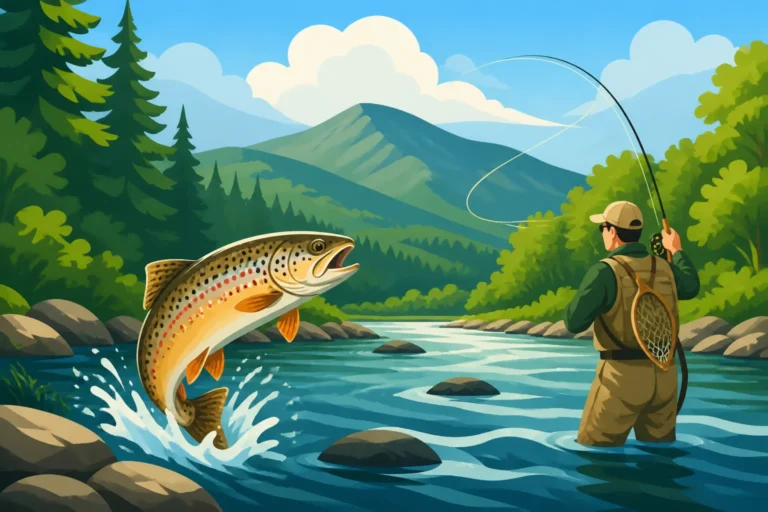
Connecticut River trophy trout section
It can be incredibly disheartening to spend a day on the water, only to come up empty-handed or catch nothing but small fish. Every angler dreams of that truly memorable catch, a fish that tests their skill and provides a real thrill. If you've been yearning for a place where the odds of encountering a truly substantial trout are significantly higher, then you've come to the right place. This comprehensive guide will peel back the layers on New Hampshire's famed Connecticut River trophy trout sections, detailing what makes them special, how to navigate their unique rules, and the best strategies to land a fish of a lifetime.
Unpacking the Connecticut River's Trophy Trout Designation
The Connecticut River, flowing through the western edge of New Hampshire, isn't just any waterway; specific stretches are carefully managed to foster truly exceptional trout populations. When you hear "trophy trout section," it's not just a catchy phrase – it's a commitment by the New Hampshire Fish and Game Department to cultivate conditions where trout, particularly brown trout and rainbow trout, can grow to impressive sizes. These sections are typically characterized by robust habitat, ample forage, and, crucially, regulations designed to protect larger fish and encourage their growth. It’s a dedicated effort to provide a unique angling experience, focusing on quality over sheer quantity of harvest.
The allure here isn't just about catching a lot of fish; it's about the challenge and the potential reward of hooking into a truly magnificent specimen. These are the fish that demand respect, cunning, and often, a bit of patience. Anglers who venture into these waters are often seeking that specific tug on the line, the powerful run, and the breathtaking sight of a truly wild or holdover trout that has seen many seasons. It's a special kind of fishery that rewards dedication and thoughtful approach, rather than just casting a line anywhere.
Geographical Scope and Access Points
The Connecticut River’s trophy trout sections are generally found in the northern and western parts of New Hampshire, forming a natural border with Vermont. While specific stretches can be designated at different times or for different management goals, one of the most well-known areas is the stretch around Pittsburg, particularly near Lake Francis and extending south. This region is a true gem, drawing anglers from all over New England. Further south, other designated sections can exist, so it’s always vital to consult the most current regulations.
Access to these areas varies. Near Pittsburg, you'll find numerous public access points, including boat launches and designated shore fishing spots. Many areas along Route 3, which parallels the river, offer convenient pull-offs and trails leading to the water. Some sections might require a bit of a hike, while others are easily reached from state-maintained roads. For those looking to explore specific stretches, consulting detailed maps or asking local bait shops can be incredibly helpful. You might also consider guides who frequent these areas and can show you prime spots, which can be found through services like FishingBooker. Regardless of where you choose to drop your line, always be mindful of private property boundaries and respect the delicate ecosystems of these special waters. For more general information on how to reach these waters, check out our guide on Connecticut River Fishing Access in New Hampshire.
Targeted Trophy Species and Their Habits
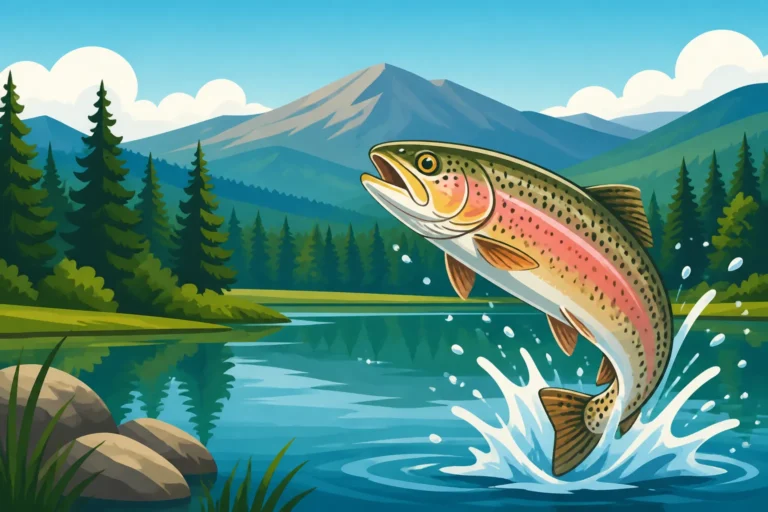
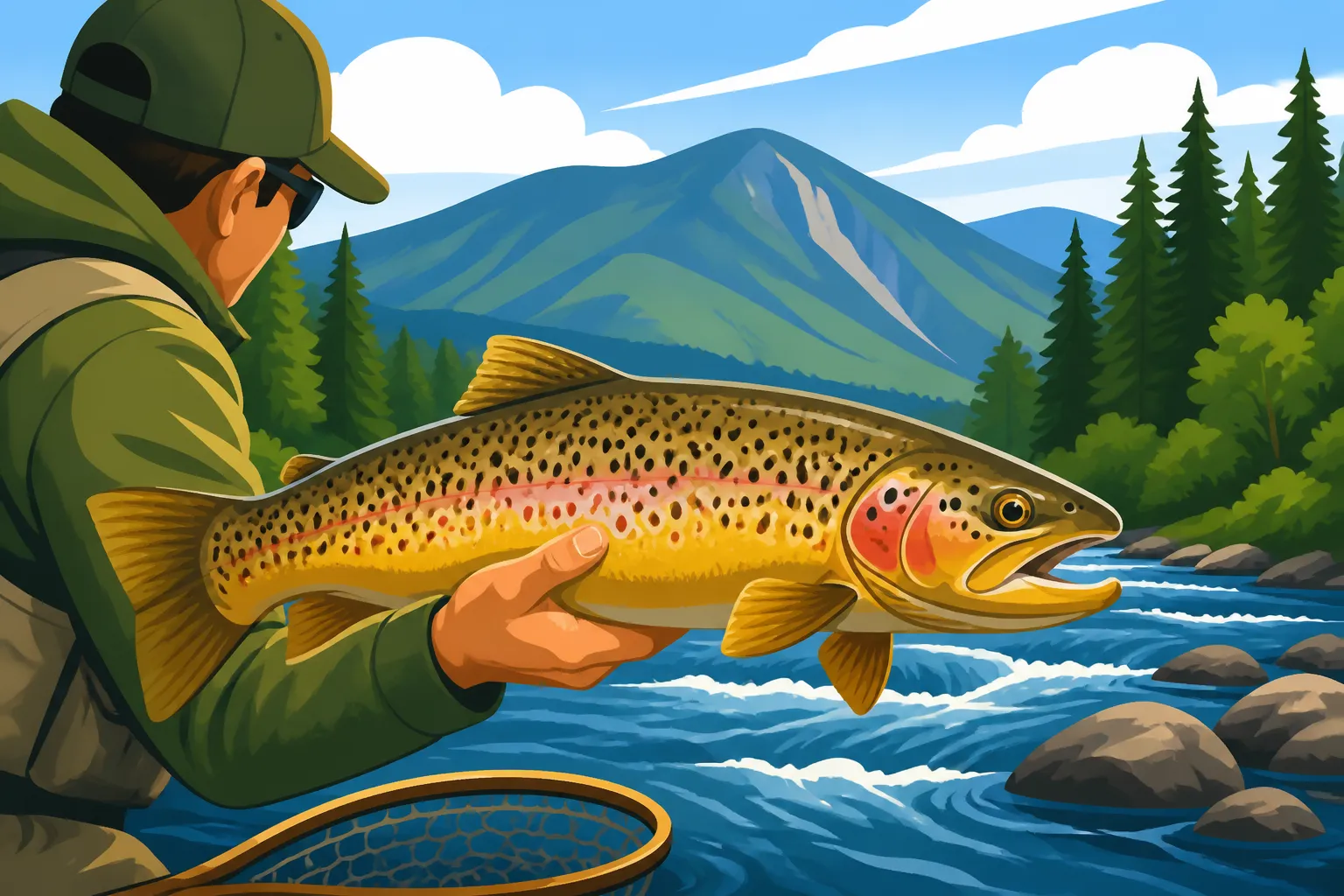
While various fish species inhabit the Connecticut River, the trophy sections are primarily managed for sizable trout. Brown trout are often the stars of the show here, known for their cunning, strong fighting ability, and potential to grow truly large. They are often less forgiving than other trout, requiring precise presentations and careful approaches. Rainbow trout are also a significant presence, especially in areas that receive stocking or where they can successfully reproduce. These fish are celebrated for their acrobatic fights and vibrant colors.
You might also encounter native brook trout, particularly in the cooler, higher-gradient tributaries feeding into the main river, though the true "trophy" designation in the main stem usually applies more to brown and rainbow trout. These larger fish often hold in deeper pools, behind structure like large boulders or submerged logs, and along current seams where food is funneled to them. They can be incredibly wary, especially in clearer water, making stealth and precise casting paramount. Understanding their feeding habits, preferred lies, and seasonal movements is crucial for success. In the spring, they might be more active closer to the surface, feeding on emerging insects. In summer, they retreat to deeper, cooler waters, often becoming more nocturnal in their feeding. Fall can bring on aggressive feeding ahead of winter, and for brown trout, their spawning instincts can make them incredibly territorial and aggressive.
Navigating the Regulations for Trophy Trout
Honestly, trying to decipher fishing regulations can sometimes feel like trying to solve a complicated puzzle, and New Hampshire's rules, while clear, require careful attention – especially in these specialized trophy sections. The intent behind these regulations is fantastic: to ensure these big, beautiful fish can thrive and offer a sustained, high-quality angling experience for years to come. But it does mean you can't just assume the general statewide rules apply. Ignorance of the law is never an excuse, and a misstep in a trophy section could lead to a hefty fine, completely ruining your day on the water. It’s always worth the extra effort to be absolutely sure you’re compliant.
The New Hampshire Fish and Game Department takes these areas seriously, and so should every angler. These regulations aren't arbitrary; they are the result of scientific research and careful management to protect a valuable resource. They help ensure that those majestic fish you’re hoping to catch today are there for future generations too. Always remember to carry a copy of the current New Hampshire Freshwater Fishing Digest with you, either physically or digitally, and consult it before you even leave home.
Specific Bag, Length, and Gear Restrictions
Trophy trout sections almost always come with specific restrictions that differ from general statewide rules. The most common distinctions include reduced daily bag limits, often limiting anglers to one or two fish per day, or even instituting mandatory catch-and-release only policies for certain periods or stretches. This allows more fish to grow to a larger size and ensures a healthy breeding population. Length limits are another key component, often requiring fish to be over a certain minimum size (e.g., 15 or 18 inches) to be kept, or in some cases, having a "slot limit" where fish within a specific size range must be released to protect prime breeding adults.
Gear restrictions are also prevalent. Many trophy trout waters, particularly those managed for fly fishing, will have "fly fishing only" rules. Others might specify "artificial lures only," prohibiting the use of natural baits like worms, powerbait, or corn. This is often done to minimize harm to fish, as artificial lures typically result in fewer deeply hooked fish, increasing their survival rate upon release. It also adds an element of skill, promoting a more challenging and rewarding experience. You might also find rules about single, barbless hooks, which further enhances the chances of released fish surviving. Always double-check these specifics in the annual digest to avoid any unfortunate surprises. Our guide on New Hampshire Bag and Possession Limits by Species offers broader context for comparison.
Season Dates and Special Considerations
Unlike some waters that have continuous open seasons, trophy trout sections might have specific season dates or closures. For instance, some stretches might be closed during certain periods to protect spawning fish, or they might have different opening and closing dates than general fishing seasons. It's not uncommon for sections to have a "catch-and-release only" season before a harvest season opens, allowing fish to recover from winter or spawn before being subjected to harvest pressure.
Additionally, certain water bodies or sections within the Connecticut River might have specific local rules due to unique ecological factors or ongoing research projects. For example, a particular stretch might be designated for a special youth fishing day, or a research project might require specific reporting for tagged fish. Always look for signage at access points, which will often highlight any special local regulations or advisories. These can sometimes be updated more frequently than the general digest, so staying informed is key. While we don't have a specific post for the Connecticut River's exact season dates, our article on New Hampshire Fishing Season Dates and Closures can give you an overview of how seasons generally work in the state.
Strategies and Techniques for Success
Fishing for trophy trout in the Connecticut River isn't just about showing up with a rod; it requires a thoughtful approach, an understanding of trout behavior, and often, a willingness to adapt your techniques. These fish are typically older, wiser, and have seen more lures and flies than their smaller counterparts. They've learned to be wary, making a successful outing feel truly earned. The conditions of the river can change dramatically from week to week, or even day to day, so having a versatile playbook is essential.
You'll quickly learn that patience is a virtue here. Unlike a heavily stocked pond where fish might aggressively strike at anything, trophy trout often require a subtle presentation and a perfect drift. Understanding the water – where the current seams are, what kind of structure is present, and where fish might be holding – is as important as the lure or fly you choose. Observing insect hatches, looking for signs of feeding activity, and even paying attention to the weather can give you crucial clues.
Recommended Gear and Lure/Fly Choices
When targeting trophy trout, your gear needs to be up to the task. For fly anglers, a 5- or 6-weight fly rod, typically 9 to 10 feet long, offers a good balance of power for casting larger flies and fighting bigger fish, while still being sensitive enough for delicate presentations. A quality fly reel with a smooth drag and enough backing is a must. Common fly choices include weighted nymphs like prince nymphs, pheasant tails, and caddis larvae imitations, especially when fish are feeding subsurface. Streamers such as wooly buggers, muddler minnows, and larger baitfish patterns are excellent for imitating the larger food sources trophy trout often key on, especially brown trout. For surface activity, don't forget dry flies like elk hair caddis, adams, and various mayfly patterns when hatches are active. For deeper insights, our guide on Best Fly Rods for New Hampshire Trout Streams can help you choose the right setup.
Spin fishermen will benefit from a medium-light or medium action spinning rod, around 6'6" to 7'6" in length, paired with a reliable spinning reel spooled with 6-10 lb fluorocarbon or braided line with a fluorocarbon leader. Small crankbaits (like Rapala countdowns or jointed shads), inline spinners (Mepps, Panther Martin), and small jerkbaits are highly effective. Soft plastics rigged on jig heads, imitating sculpins or leeches, can also be deadly when fished slowly along the bottom or near structure. Always opt for sharp, strong hooks to ensure a solid hookset and reduce the chance of losing that big fish.
Seasonal Approaches and Optimal Conditions
The Connecticut River offers different challenges and opportunities throughout the year. Spring, particularly after ice-out, can be fantastic. Melting snow brings higher, often murkier water, but it also increases oxygen levels and stimulates fish activity. Fish might be found closer to the banks, feeding on worms and dislodged insects. Larger streamers and bait imitations are often very effective. This period can also coincide with active hatches, making nymphing and dry fly fishing productive. Our guide on Best Techniques for High Water Spring Conditions offers useful advice.
Summer brings warmer temperatures, and the fish often retreat to cooler, deeper pools, oxygenated riffles, or the shadows of overhanging banks. Early mornings and late evenings become prime fishing times. Terrestrial patterns like grasshoppers and ants become relevant for fly anglers, while spin fishermen might focus on deep-diving crankbaits or slow-jigging soft plastics. Clearer, lower water conditions demand a more stealthy approach and longer, lighter leaders. Learn more about navigating these conditions in our post on Best Techniques for Low Clear Water Conditions.
Fall is arguably one of the most exciting times, especially for brown trout, as they prepare for spawning. They become more aggressive, feeding heavily to build up energy. Streamer fishing can be phenomenal, as these fish will often chase larger prey. The vibrant fall foliage also provides a stunning backdrop to your fishing adventure. Even into the early winter, if sections remain open and ice conditions permit, jigging small spoons or soft plastics can entice lethargic but still catchable trophy trout in deeper holes.
| Season | Primary Techniques (Fly) | Primary Techniques (Spin) | Typical Conditions | Key Considerations |
|---|---|---|---|---|
| Spring | Nymphing (weighted), Streamers, Dry Flies | Inline Spinners, Small Crankbaits, Jigs | Higher flows, murkier water, colder | Fish near banks, strong currents, watch for hatches |
| Summer | Nymphing (light), Terrestrials, Small Dry | Soft Plastics, Deep-Diving Crankbaits | Lower flows, clear water, warmer | Early/late fishing, focus on deep pools and shadows |
| Fall | Streamers, Large Nymphs, Wet Flies | Larger Crankbaits, Jerkbaits, Spinners | Moderate flows, clear water, cooling | Brown trout pre-spawn aggression, baitfish imitations |
| Winter | Deep Nymphs, Small Streamers (slow) | Jigging Spoons, Small Jigs (slow retrieve) | Low flows, very cold, potential for ice (check rules) | Fish lethargic, focus on deep, slow pools, patience key |
Planning Your Trophy Trout Adventure
Embarking on a trip to the Connecticut River's trophy trout section isn't just about packing your fishing gear; it's about planning a memorable experience. From ensuring you have the right local knowledge to finding a cozy place to rest after a long day of casting, a little preparation goes a long way. This region of New Hampshire is truly special, offering not just world-class fishing but also stunning natural beauty and a peaceful escape.
The logistical side of any fishing trip can be the difference between a frustrating scramble and a smooth, enjoyable outing. Thinking about where you'll stay, where to grab a bite, and how to get those critical last-minute supplies can significantly enhance your time on the water. Plus, for such a unique fishery, tapping into local expertise can give you an invaluable edge.
Local Amenities and Lodging Options
The towns bordering the Connecticut River in New Hampshire offer a range of amenities to support your fishing trip. In the Pittsburg area, you'll find a selection of lodges, cabins, and campgrounds perfect for anglers looking for a rustic or comfortable stay. Places like The Cabins at Lopstick or Tall Timber Lodge are well-known for catering to outdoor enthusiasts, often providing early breakfasts and local fishing reports. Further south, towns like Colebrook, Lancaster, and even Lebanon (depending on the specific section you're targeting) offer motels, inns, and local restaurants.
You’ll also find bait and tackle shops in these communities. These aren't just places to buy flies and lures; they're often goldmines of local information. The folks working there live and breathe fishing, and they can provide invaluable real-time insights into river conditions, recent hatches, and what the fish are biting on. Don't be shy – strike up a conversation! Many of these local shops are also authorized agents where you can pick up your New Hampshire Fishing License Guide for 2026 if you haven't already purchased it online.
Hiring a Guide or Finding Expert Advice
For a specialized fishery like the Connecticut River trophy trout section, especially if it’s your first time, hiring a local fishing guide can be an absolute game-changer. Guides possess an intimate knowledge of the river, its various access points, the best techniques for current conditions, and where the biggest fish tend to hold. They can cut down your learning curve significantly, helping you avoid common mistakes and increasing your chances of success. A good guide doesn't just put you on fish; they teach you how to read the water, understand trout behavior, and refine your casting or presentation skills. This investment often pays dividends in both fish caught and knowledge gained.
You can often find reputable guides through local fly shops, sporting goods stores, or by searching online platforms. For instance, services like FishingBooker connect anglers with local, experienced guides who specialize in specific species and waterways. They can help you sift through options and find a guide whose expertise aligns with your goals. Even if you don't hire a guide, seeking out advice from seasoned local anglers, joining online fishing forums dedicated to New Hampshire fishing, or reading specialized articles can provide valuable insights. The collective wisdom of the angling community is a powerful tool.
Disclaimer
Please note that fishing regulations, season dates, and license requirements in New Hampshire can change. While every effort has been made to provide accurate and up-to-date information in this guide, it is essential to always consult the most current official New Hampshire Fish and Game Department regulations before planning and undertaking any fishing activity. This guide is for informational purposes only and should not be considered a substitute for official sources.