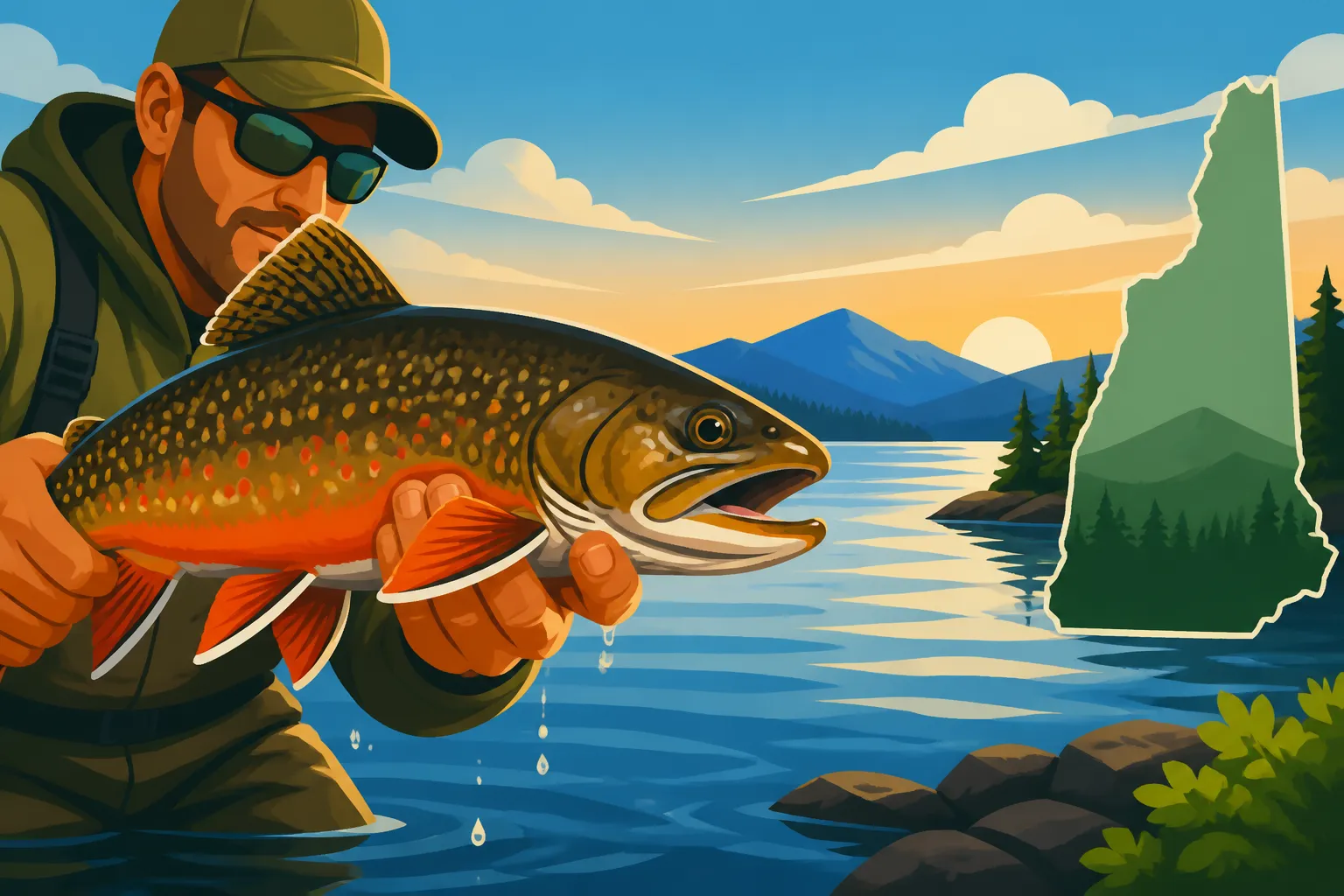
Umbagog Lake trophy brook trout fishing
Chasing after a true trophy brook trout in New Hampshire can feel like hunting for a phantom. These gorgeous, native fish are notoriously elusive, growing large only in specific, nutrient-rich environments, making finding them a real challenge for even seasoned anglers. If you’ve been dreaming of that once-in-a-lifetime brookie, this guide will dive deep into why Umbagog Lake offers some of the best opportunities and how you can increase your chances of landing one of these magnificent fish.
Why Umbagog Lake is a Brook Trout Haven
Umbagog Lake, straddling the border between New Hampshire and Maine, isn't just a picturesque spot; it's a deeply complex and productive fishery. For brook trout, especially those reaching impressive sizes, it provides a near-perfect blend of cold, oxygenated water, abundant forage, and protective structure. It’s not an easy lake to navigate or master, but for those willing to put in the effort, the rewards can be truly spectacular.
The Unique Ecosystem and Habitat
Umbagog Lake is a relatively shallow, highly productive body of water, but don't let its average depth fool you. It's fed by several cold-water tributaries, including the Magalloway and Androscoggin Rivers, which continuously introduce cool, oxygen-rich water. This constant influx, combined with deep pockets and spring-fed areas, creates crucial thermal refuges for brook trout, especially as summer progresses. The lake also boasts an incredibly rich food web, teeming with baitfish like rainbow smelt and various insect larvae, which fuel rapid growth rates in the trout.
Beyond the cold water and food, Umbagog’s shoreline and bottom structure are incredibly diverse. You'll find extensive areas of rocky points, submerged timber, weed beds, and gradual sand flats, all interspersed with deeper channels and drop-offs. These varied habitats provide both ambush points for predators and crucial hiding spots for trout seeking shelter from larger fish or angling pressure. The extensive marshlands and protected coves also contribute to the overall health of the ecosystem, filtering water and supporting insect hatches that are vital to the trout's diet.
Wild vs. Stocked Brook Trout Potential
One of the most exciting aspects of fishing Umbagog Lake for brook trout is the potential for encountering both robust wild fish and potentially larger, well-fed stocked fish. While New Hampshire Fish and Game does stock brook trout in various waters across the state, Umbagog Lake is renowned for its strong population of native, self-sustaining brook trout. These wild brookies, often recognized by their vibrant colors and pristine fins, are a testament to the lake's ecological health. Catching a wild brook trout of any size is a privilege, but catching a trophy-sized one from Umbagog is a truly special achievement.
However, the presence of an ample food supply and excellent habitat also means that any brook trout, whether wild or stocked, has the potential to grow to impressive sizes. Some of the largest brook trout ever recorded in New Hampshire have come from waters with similar conditions. These fish become true apex predators, gorging on smelt and other baitfish, rapidly gaining weight and length. It’s this combination of pristine wild populations and the potential for exceptional growth that makes Umbagog such a draw for anglers specifically targeting trophy brook trout.
Key Techniques for Landing Trophy Brook Trout on Umbagog
Successfully targeting trophy brook trout on a large, complex lake like Umbagog requires a multi-faceted approach. These fish are not only wary but also highly migratory, often following baitfish schools or seeking out optimal water temperatures. Therefore, understanding and adapting your techniques to the conditions and the fish's behavior is paramount.
Trolling Strategies and Gear Selection
Trolling is often the most effective method for covering large expanses of water and locating active brook trout on Umbagog. Because trophy brook trout often hold in specific temperature bands and depth ranges, especially during warmer months, controlling your lure depth is critical. Many successful anglers employ strategies similar to those used for lake trout and salmon, utilizing downriggers, lead core line, or planer boards to present lures precisely. A good fish finder is invaluable for identifying bait schools, thermoclines, and underwater structure where trout might be holding. You can learn more about finding the right electronics in our guide on the Best Fish Finders for New Hampshire Lakes.
When it comes to gear, you’ll want a versatile setup. A medium-light to medium action rod, around 7-8 feet long, paired with a reliable spinning or baitcasting reel spooled with 8-10 pound test monofilament or fluorocarbon line is a good starting point. For lures, try small spoons like the Lake Clear Wabbler, Sutton Spoons, or even small Rapala stickbaits in natural baitfish colors (silver, blue/silver, gold). Troll at slow speeds, typically between 1.5 to 2.5 miles per hour, and experiment with different depths until you find where the fish are active. Remember, these fish often strike subtly, so pay close attention to your rod tip. If you're looking to upgrade your setup, our resource on Best Trolling Gear for New Hampshire Lake Trout offers some excellent insights, many of which apply to brook trout as well.
Casting and Still Fishing Tactics
While trolling is excellent for searching, casting and still fishing can be incredibly effective when you've located a concentration of fish or are targeting specific structures. Early mornings and late evenings, or during overcast conditions, are often prime times for trout to move into shallower areas to feed. Focus your efforts around rocky points, submerged weed lines, and the mouths of feeder streams. For casting, small spinnerbaits (Mepps Aglia, Rooster Tail) or spoons can be deadly. Fly anglers can find success by stripping streamers that imitate smelt or sculpins, or by nymphing around current breaks and deep pockets. For those interested in this approach, our guide on Fly Fishing for Trout in New Hampshire provides extensive details.
Still fishing with bait can also yield excellent results, especially when anchored near a drop-off or a channel where trout are likely to pass. Live bait, such as shiners or small smelt (where legal), suspended under a float or fished on the bottom with a minimal weight, can be irresistible to large brook trout. Worms, particularly nightcrawlers, are also a classic choice and can be very effective. Remember to use light tackle and a small, sharp hook to ensure a natural presentation. Patience is key with still fishing; sometimes the biggest fish take their time to commit.
Ice Fishing for Winter Giants
When Umbagog Lake freezes over, a whole new world of trophy brook trout opportunities opens up. Ice fishing can be an incredibly productive way to target these large fish, as they often congregate in specific areas, seeking out consistent water temperatures and abundant forage. Key areas to focus on include deep coves, points near drop-offs, and anywhere you find schooling baitfish. For a comprehensive overview of safety and general techniques, check out our guide to Ice Fishing in New Hampshire.
For gear, jigging rods with sensitive tips paired with small spinning reels are ideal. Popular lures include small jigging spoons (like Swedish Pimples or Kastmasters), often tipped with a piece of bait like a grub or a small chunk of smelt. Tip-ups are also highly effective, allowing you to cover a wider area. Set your tip-ups with live shiners or whole smelt suspended at various depths, from just under the ice to near the bottom. Many anglers find success by placing tip-ups over structure or along contour lines where brook trout might patrol. Always be mindful of ice safety, especially on a large lake like Umbagog, and check local regulations for specific season dates and catch limits.
Navigating Umbagog Lake: Access and Considerations
Umbagog Lake's remote location and significant size (approximately 7,850 acres) mean that careful planning is essential for a successful and safe fishing trip. This isn't a small pond where you can just show up and expect easy access. Understanding the lake's unique characteristics and regulations will make your experience much more enjoyable and productive.
Public Access Points and Boat Launches
Access to Umbagog Lake is primarily through Umbagog Lake State Park, located on the New Hampshire side of the lake in Cambridge, NH. This park offers a public boat launch, making it the most convenient entry point for anglers looking to put their boats in the water. The launch area typically has ample parking, but during peak seasons, it can get busy, so arriving early is always a good strategy. Keep in mind that boating on such a large lake requires attention to weather conditions; winds can kick up quickly, making the water choppy and potentially dangerous for smaller craft. Always make sure your boat is in good working order and you have all necessary safety equipment, including life jackets for everyone on board. Familiarize yourself with New Hampshire Boating Laws for Anglers before you head out.
In addition to the main state park access, there might be other, less formal access points or areas accessible via local roads, especially on the Maine side, which might be suitable for launching kayaks or canoes. However, these often require local knowledge and permission, so the state park remains the most reliable option for public access. If you're exploring the broader region, our guide to Best Fishing Spots in Coos County might offer additional insights into local waters and access points.
Understanding Lake Zones and Prime Locations
Umbagog Lake is characterized by its expansive open waters, numerous islands, and intricate shorelines with bays and coves. While brook trout can be found throughout the lake, certain zones tend to be more productive, especially for larger fish. The deeper basins and channels, particularly those with good oxygen levels and concentrations of baitfish, are prime targets. Areas near the mouths of the Magalloway and Androscoggin rivers are also excellent, as these cooler, flowing waters attract trout, especially during periods of high water temperatures.
Islands and their surrounding drop-offs, as well as rocky reefs and ledges, provide structure that holds both baitfish and the predators that feed on them. Don't be afraid to explore these areas with your electronics. Keep an eye on your sonar for schools of baitfish, as trophy brook trout will rarely be far behind. Mapping apps or dedicated GPS units loaded with lake contours can be invaluable for identifying these prime locations before you even launch your boat. Many experienced anglers find that targeting areas with a sudden change in depth, such as a sharp drop-off from a shallow flat, can be particularly productive.
Essential Gear and Safety on Large Waters
Beyond your rods, reels, and tackle, fishing a large, remote lake like Umbagog requires a strong emphasis on safety and preparedness. The weather can change rapidly in northern New Hampshire, especially in the Coos County area. Always check the forecast before you go, and be prepared for sudden shifts in wind, temperature, or precipitation. Proper rain gear, extra layers of clothing, and a reliable first-aid kit are non-negotiable.
Navigation is another key consideration. While a paper map is always a good backup, a dependable GPS unit or marine chartplotter is highly recommended, especially given the lake's numerous islands and coves. Communication is also vital; cell service can be spotty in remote areas, so consider carrying a satellite phone or a marine VHF radio for emergencies. If you're planning a trip with a significant investment in time and travel, consider using a service like FishingBooker to connect with local guides who are intimately familiar with Umbagog Lake. A knowledgeable guide can not only put you on fish but also ensure a safer and more efficient trip, especially when targeting specific species like trophy brook trout. They know the lake's secrets, from the best bait to the most productive spots, ensuring you make the most of your time on the water.
| Fishing Method | Best Season(s) | Ideal Conditions | Key Lures/Baits | Pros | Cons |
|---|---|---|---|---|---|
| Trolling | Spring, Summer, Fall | Sunny or overcast, moderate wind | Small spoons, stickbaits, smelt imitations | Covers large areas, excellent for locating fish, depth control | Requires boat and specialized gear (downriggers, lead core) |
| Casting/Spinning | Spring, Fall, Early Summer | Overcast, dawn/dusk, near structure | Spinners, small spoons, jigs | Active fishing, targets specific areas, accessible from shore/kayak | Less coverage than trolling, weather-dependent |
| Fly Fishing | Spring, Fall, Early Summer | Clear water, insect hatches, low wind | Streamers, nymphs, dry flies (during hatches) | Highly engaging, natural presentation, targets wary fish | Steep learning curve, limited by conditions, often requires wading |
| Still Fishing | All Seasons | Calm conditions, anchored over structure | Live shiners, smelt, worms, PowerBait | Simple, effective for specific spots, good for beginners | Less active, slower pace, requires patience |
| Ice Fishing | Winter | Safe ice thickness, stable weather | Jigging spoons, tip-ups with live bait | Targets concentrated fish, unique winter experience | Requires specialized gear (auger, shanty), cold weather challenges |
Remember, securing your New Hampshire Fishing License Guide for 2026 is the first step before you cast a line. The state has specific rules about What age can you fish without a license in New Hampshire and New Hampshire Fishing Regulations Explained, so it's always wise to be informed. If you're traveling from out of state, there are options like the New Hampshire nonresident 3-day fishing license cost that might suit a shorter trip. Regardless of your chosen method or the season, Umbagog Lake stands as a testament to the wild beauty and exceptional fishing opportunities that New Hampshire offers for those willing to chase the elusive trophy brook trout. For those looking to dive deeper into specific species, our guide on Brook Trout: New Hampshire's Native Trout is a fantastic resource. If you're uncertain about navigating the lake or maximizing your time, consider exploring local guide options, which you can often find and book conveniently through platforms like FishingBooker. They can provide invaluable insights into the current conditions and the best spots.
Disclaimer
The information provided in this guide is for general informational purposes only and is subject to change. Always consult the most current New Hampshire Fish and Game Department regulations before engaging in any fishing activities. Fishing conditions, access, and regulations can vary, and it is the angler's responsibility to be aware of and comply with all applicable laws and safety guidelines.