New Hampshire Merrymeeting Lake special regulations
It can be incredibly frustrating to plan a fishing trip to a beautiful spot like Merrymeeting Lake, only to realize there might be specific, often confusing, regulations that differ from the statewide rules. You want to enjoy your time on the water without constantly worrying if you're breaking a rule. This comprehensive guide will demystify the special fishing regulations for Merrymeeting Lake in New Durham, New Hampshire, ensuring you're well-prepared for a successful and compliant angling adventure.
Why Merrymeeting Lake Has Special Regulations
Merrymeeting Lake, nestled in the scenic town of New Durham, is truly one of New Hampshire's gems. It's celebrated for its pristine, crystal-clear waters, impressive depths, and a vibrant fishery that supports both coldwater and warmwater species. Lakes like Merrymeeting often require a more tailored approach to management, which is precisely why you'll find special regulations in place here that deviate from the general statewide rules.
Unique Ecology and Management Goals
The New Hampshire Fish and Game Department isn't just creating extra work with these special rules; there's always a thoughtful reason behind them. For a lake like Merrymeeting, known for its healthy populations of lake trout and landlocked salmon, alongside a robust ecosystem supporting bass and panfish, the goal is often multifaceted. These regulations are designed to protect sensitive spawning grounds, promote the growth of trophy-sized fish, ensure sustainable harvest levels for future generations, and sometimes even to combat the spread of invasive species that could harm the lake's delicate balance.
Think of it as conservation in action. Without specific limits on certain long-lived species, for example, a fishery could quickly become overfished, leading to smaller fish and dwindling populations. The deep, cold pockets of Merrymeeting Lake provide unique habitat for these species, making their protection even more critical. These rules help maintain the ecological health and the high-quality angling experience that makes Merrymeeting so popular.
How Regulations Differ from Statewide Rules
It's a common misconception among anglers that once you understand the basic statewide fishing rules, you're set for any water body in New Hampshire. However, this assumption can quickly lead to problems, especially on large, significant lakes like Merrymeeting. While the general guidelines for New Hampshire Fishing Regulations Explained cover most situations, specific lakes and ponds often have their own additions or modifications.
These differences can show up in several key areas: adjusted daily bag limits, altered minimum or maximum length limits for particular species, specific open and closed seasons that don't align with the statewide calendar, or even restrictions on certain types of bait or fishing methods. For example, a lake that has a particularly vulnerable population of a certain fish might have a much lower daily limit than the statewide norm. It’s absolutely vital to remember that these aren't merely suggestions; they are legally binding rules. To avoid any unwelcome surprises or fines, always make a point to consult the most current official regulations specifically for Merrymeeting Lake before you head out.
Key Species-Specific Regulations for Merrymeeting Lake
Merrymeeting Lake is renowned for its diverse fishery, appealing to anglers who pursue everything from powerful lake trout to feisty smallmouth bass. However, each species, particularly the coldwater ones, often falls under distinct regulations designed to protect their populations within this unique environment.
Lake Trout and Landlocked Salmon Rules
Merrymeeting Lake stands out as a premier destination for coldwater species, boasting excellent populations of lake trout and landlocked salmon. These magnificent fish thrive in the lake's deep, cool, and oxygen-rich waters. Given their slower growth rates and specific habitat requirements, these species are almost always subject to more conservative regulations than many other fish.
For lake trout in Merrymeeting Lake, current regulations stipulate a daily bag limit of two fish, with a minimum length limit of 18 inches. This means any lake trout you catch shorter than 18 inches must be immediately released back into the water. This particular rule is designed to allow lake trout to reach reproductive maturity and contribute to the population before being harvested, helping to sustain the fishery for the long term. If you're planning a winter trip, be sure to also review the New Hampshire Lake Trout Ice Fishing Season Dates, as specific rules apply to the ice fishing season as well. For instance, while ice fishing, you're typically allowed to use two lines specifically for lake trout.
Landlocked salmon in Merrymeeting Lake are equally prized, and their regulations reflect this. Anglers are permitted a daily bag limit of one fish, with a minimum length limit of 15 inches. This strict limit helps to protect these often elusive and highly sought-after game fish, allowing them to grow to a substantial size. These regulations are periodically reviewed and adjusted by the New Hampshire Fish and Game Department based on population assessments, so always confirm the latest details in the current fishing digest. The pursuit of these impressive fish often requires specialized gear, and for instance, if you're after landlocked salmon, a specialized trolling setup might be key. You can compare various options and read reviews for downriggers or specific lures on Amazon to get ready for your trip.
Bass and Other Warmwater Fish Limits
While lake trout and salmon often steal the spotlight, Merrymeeting Lake also offers some outstanding opportunities for warmwater species, particularly smallmouth and largemouth bass. These fish are generally more resilient to fishing pressure but are still managed with specific rules to maintain a healthy and balanced ecosystem.
For both smallmouth and largemouth bass in Merrymeeting Lake, the regulations generally align with the statewide rules. This typically means a daily bag limit of five fish, with a minimum length of 12 inches. It’s important to note that New Hampshire also has a distinct catch-and-release only season for bass in the spring before the general harvest season opens. While Merrymeeting Lake usually follows this statewide pattern, it's always wise to confirm the specific dates, as some waters might have slight variations. Understanding the nuances of the New Hampshire Bass Catch-and-Release Season, Explained is crucial to avoid accidental violations. Bass fishing on Merrymeeting, especially for smallmouth, can be incredibly exciting, with these hard-fighting fish readily attacking a variety of lures in the clear water.
Beyond bass, Merrymeeting Lake supports healthy populations of panfish, including yellow perch, sunfish, and black crappie. These species are fantastic for family outings and introducing new anglers to the sport. Generally, panfish have more generous limits, often allowing for a daily bag limit of 25 fish (combined species) with no minimum length requirement. However, even with these higher limits, responsible angling practices encourage taking only what you need and releasing the rest carefully to ensure a sustainable population. For more general information on these species, you can refer to our Panfish Fishing in New Hampshire guide, but always double-check the Merrymeeting-specific rules in the latest digest.
Merrymeeting Lake Specific Fishing Regulations Snapshot
To make things easier, here's a quick reference table summarizing the key species-specific regulations for Merrymeeting Lake, based on the most recent New Hampshire Freshwater Fishing Digest. Please remember that regulations can change, so this table should always be cross-referenced with the official digest.
| Species | Daily Bag Limit | Minimum Length | Other Notes |
|---|---|---|---|
| Lake Trout | 2 | 18 inches | Special regulations apply |
| Landlocked Salmon | 1 | 15 inches | Special regulations apply |
| Bass (Smallmouth/Largemouth) | 5 | 12 inches | General statewide rules apply |
| Brook Trout / Brown Trout / Rainbow Trout | 5 (combined) | None | General statewide rules apply |
| Smelt | N/A | N/A | Season closed March 1 – May 31 (statewide rule) |
| All Other Species | 25 (combined) | None | General statewide rules apply |
Boating, Ice Fishing, and Other Practical Rules on Merrymeeting Lake
Fishing regulations aren't just about what you can catch and how many; they also encompass how you interact with the water body itself. Merrymeeting Lake, like all public waters in New Hampshire, has rules governing boating, ice fishing practices, and general access to ensure safety, environmental protection, and a harmonious experience for all users.
Boating and Access Considerations
When you launch your boat onto Merrymeeting Lake, you're entering a shared space, and understanding the general New Hampshire Boating Laws for Anglers is just the starting point. While the lake doesn't have highly restrictive local boating rules like some smaller, shallower ponds, adhering to safe and responsible practices is crucial.
Merrymeeting is a sizable, deep lake, making it suitable for a variety of watercraft, from canoes and kayaks to powerboats. Public boat launches, such as the town launch in New Durham, provide convenient access. A critical responsibility for any boater is preventing the spread of aquatic invasive species. This means practicing the "clean, drain, dry" method every time you take your boat out of the water. Inspect your hull, propeller, and trailer for any attached weeds or organisms, thoroughly drain all water from your bilge, livewells, and engine, and allow everything to dry completely before your next use. This isn't just a suggestion; it's an environmental imperative and often legally enforceable. If you need new gear to make this easier, you might find some excellent boat cleaning supplies and accessories on Amazon that can help you comply with these environmental regulations.
Beyond environmental considerations, basic boating safety is paramount. Always operate your vessel at safe speeds, especially in congested areas or near shorelines, and maintain a respectful distance from swimmers, paddleboarders, and other anglers. Having all required safety equipment on board, such as life jackets for everyone (including those pesky throwable devices for larger boats), is not only a legal requirement but could save lives.
Ice Fishing Specifics for Merrymeeting
As temperatures drop and a solid layer of ice forms, Merrymeeting Lake becomes a popular destination for ice anglers. However, transitioning from open water to hard water fishing means a new set of rules and, most importantly, safety considerations.
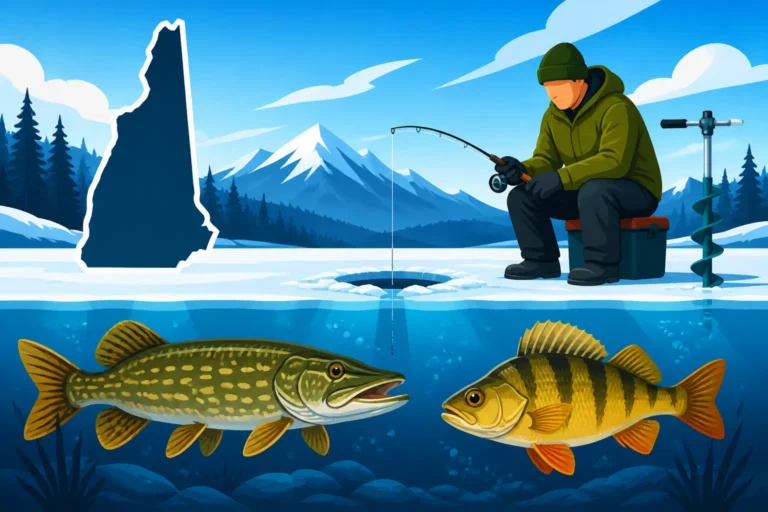
For ice fishing on Merrymeeting Lake, the regulations regarding lines are specific for coldwater species. You are permitted to use two lines per angler when targeting lake trout. For all other species, the standard statewide rule applies, allowing anglers to use up to five lines. This distinction is important and highlights the specific management efforts for the lake's prized lake trout population.
Safety on the ice should always be your top priority. While the thrill of landing a fish through the ice is immense, it's not worth risking your life. Always understand How thick ice needs to be before New Hampshire anglers fish it before venturing out. General guidelines suggest at least 4 inches of clear, solid ice for safe foot travel, but local conditions can vary dramatically due to currents, springs, and fluctuating temperatures. Never assume the ice is safe just because others are on it; always check the thickness yourself with an ice spud or auger as you move. Essential ice safety gear, such as ice picks (worn around your neck), a spud bar for testing ice, and a personal flotation device or float suit, are highly recommended. You can easily find a wide selection of ice safety equipment on Amazon to keep yourself and your fishing partners safe.
Ice shanties, or bobhouses, are a common sight on Merrymeeting during the winter. While they provide much-needed shelter from the elements, remember that all shanties must be removed from the ice once the season ends or when ice conditions become unsafe. Abandoned shanties are an environmental hazard and can result in significant fines.
Understanding the Broader New Hampshire Fishing Framework
While this guide focuses on Merrymeeting Lake's special regulations, it's part of a larger, interconnected framework of rules and guidelines that govern fishing across the Granite State. Being a well-informed angler means understanding this broader context.
The Role of the Freshwater Fishing Digest
I can't stress this enough: the official New Hampshire Freshwater Fishing Digest is your ultimate resource. Think of it as the authoritative encyclopedia for fishing rules in the state. While helpful guides like this one offer targeted information, the digest provides the most current, comprehensive, and legally binding details for every single water body in New Hampshire. Relying solely on word-of-mouth or outdated information can lead to unintentional violations.
You can usually pick up a free physical copy of the digest wherever Where and How to Buy a New Hampshire Fishing License are sold. This includes many bait and tackle shops, outdoor retailers like Kittery Trading Post or L.L.Bean (though always confirm local availability), and some town clerk offices. Crucially, the New Hampshire Fish and Game Department also publishes a digital PDF version on their official website, which is incredibly convenient to download to your smartphone or tablet. Make it an annual ritual to review this document, as regulations are subject to change based on new scientific data, environmental conditions, and management strategies. To effectively carry your digest and other essentials, a good waterproof tackle bag, readily available on Amazon, can be a great investment.
Licensing Requirements and Enforcement
Before you even think about dropping a line into Merrymeeting Lake or any other body of water in New Hampshire, one crucial step is obtaining a valid fishing license. Anyone 16 years of age or older is legally required to possess a current New Hampshire fishing license, regardless of whether they are a resident or a non-resident.
New Hampshire offers a variety of license options to suit different needs. Residents can purchase annual licenses, while non-residents have options like annual licenses or shorter-term permits, such as a New Hampshire nonresident 3-day fishing license cost option, perfect for visitors enjoying a quick fishing getaway. It's also important to understand New Hampshire Fishing License Age Requirements: children under 16 years old are generally exempt from needing a license, which is fantastic for getting youngsters involved in the sport, but they must still abide by all other fishing regulations, including bag and length limits.
New Hampshire Fish and Game conservation officers are actively patrolling fishing areas, including Merrymeeting Lake, to ensure compliance with all regulations. Attempting to fish without a valid license, or disregarding specific rules, can lead to serious consequences. Fishing Without a License in New Hampshire: Penalties can range from substantial fines that far exceed the cost of a license to the confiscation of your fishing gear and even the loss of future fishing privileges. It's simply not worth the risk. Always carry your license with you – whether it's a physical card or a digital copy on your phone, as Printing or Carrying a Digital Fishing License in New Hampshire is now widely accepted. This small act of preparedness ensures a stress-free and enjoyable fishing experience.
Disclaimer
The information provided in this guide is for general informational purposes only and is based on publicly available data from the New Hampshire Fish and Game Department as of the last update. Fishing regulations are subject to change at any time. It is the responsibility of every angler to consult the most current official New Hampshire Freshwater Fishing Digest and any local ordinances before fishing. Failure to do so may result in penalties. Always prioritize safety and practice responsible angling.