New Hampshire chain pickerel limit
Few things are more frustrating than heading out to your favorite New Hampshire fishing spot, ready to target some feisty chain pickerel, only to second-guess yourself about the regulations. It’s easy to get confused with all the different rules for various species and water bodies. This comprehensive guide is here to clear up any uncertainty you might have about the specific limits for chain pickerel in New Hampshire, ensuring you can fish confidently and legally.
Understanding New Hampshire's Chain Pickerel Regulations
When it comes to chain pickerel in New Hampshire, anglers often find themselves scratching their heads, wondering about daily limits, length restrictions, and possession rules. Unlike many other popular game fish like trout or bass, chain pickerel often have different — and sometimes surprising — regulations. This isn't an oversight; it's a deliberate management strategy by the New Hampshire Fish and Game Department.
The Standard Daily and Possession Limit
For the vast majority of lakes, ponds, and rivers across New Hampshire, there is currently no daily limit and no possession limit for chain pickerel. This means you can keep as many chain pickerel as you legally catch. There are also generally no size restrictions, so you're not bound by minimum or maximum lengths. This approach is rooted in the department's understanding of chain pickerel populations and their ecological role. While they are a fun fish to catch, often providing plenty of action, they can also be quite prolific and, in some waters, can outcompete other sportfish or forage species. Therefore, liberal limits are often in place to encourage harvest.
However, it's absolutely crucial to remember that regulations can change, and specific water bodies might have unique rules. Before you cast a line, always, always consult the most current Reading the New Hampshire Freshwater Fishing Digest from the New Hampshire Fish and Game Department. This official publication is your go-to source for the latest information and any potential exceptions to the general statewide rules.
Why Chain Pickerel Limits Differ
The reasons behind New Hampshire's often generous chain pickerel limits are multifaceted and tied to fisheries management goals. These fish are voracious predators, and in certain environments, their populations can explode, potentially impacting the balance of the ecosystem.
- Population Control: In many New Hampshire waters, chain pickerel are abundant. Allowing anglers to harvest freely can help manage their numbers, preventing them from overpopulating and putting too much pressure on prey fish populations, such as panfish or smaller sportfish. This can be particularly important in waters where the department is trying to promote populations of species like trout or bass.
- Sporting Opportunity: Despite their predatory nature, chain pickerel are incredibly fun to catch. They strike aggressively and put up a good fight, especially on light tackle. The liberal limits encourage anglers to target them, providing ample sporting opportunities without the concern of quickly reaching a quota. This makes them an excellent target for beginners and seasoned anglers alike, offering consistent action.
- Ecological Niche: Chain pickerel often inhabit weedy, shallow areas, thriving in environments that might not be ideal for other primary sportfish. Their role as apex predators in these specific niches helps to maintain a healthy food web. Managing their populations through angler harvest is a key tool in maintaining overall lake health.
This approach contrasts sharply with the stricter rules for species like landlocked salmon or lake trout, which have more specific management needs due to slower growth rates, specific habitat requirements, or lower natural reproduction rates. You can learn more about how different species are managed by checking out the guide on New Hampshire Bag and Possession Limits by Species.
Special Regulations and Checking the Digest
While the general rule for chain pickerel is "no limit," it's vital to stay informed. There might be specific "Special Regulation Waters" listed in the New Hampshire Freshwater Fishing Digest that could have different rules for any species, including pickerel. These special regulations are usually put in place for specific conservation efforts, to protect a unique fishery, or to enhance a particular type of angling experience.
For example, a pond might be designated "catch-and-release only" for all species, or it might have specific gear restrictions. Though rare for pickerel, these exceptions do exist. It's your responsibility as an angler to check the digest annually, as regulations are updated. You can usually find the most current version online through the New Hampshire Fish and Game Department website, or pick up a physical copy at a local license vendor. This diligence ensures you're always fishing within the bounds of the law, protecting both yourself and the fishery.
Getting to Know the Chain Pickerel
Before you even think about the limit, understanding the chain pickerel itself can greatly enhance your fishing experience. These freshwater predators are a fascinating and exciting species to pursue in New Hampshire's diverse waters.
Habitat and Behavior
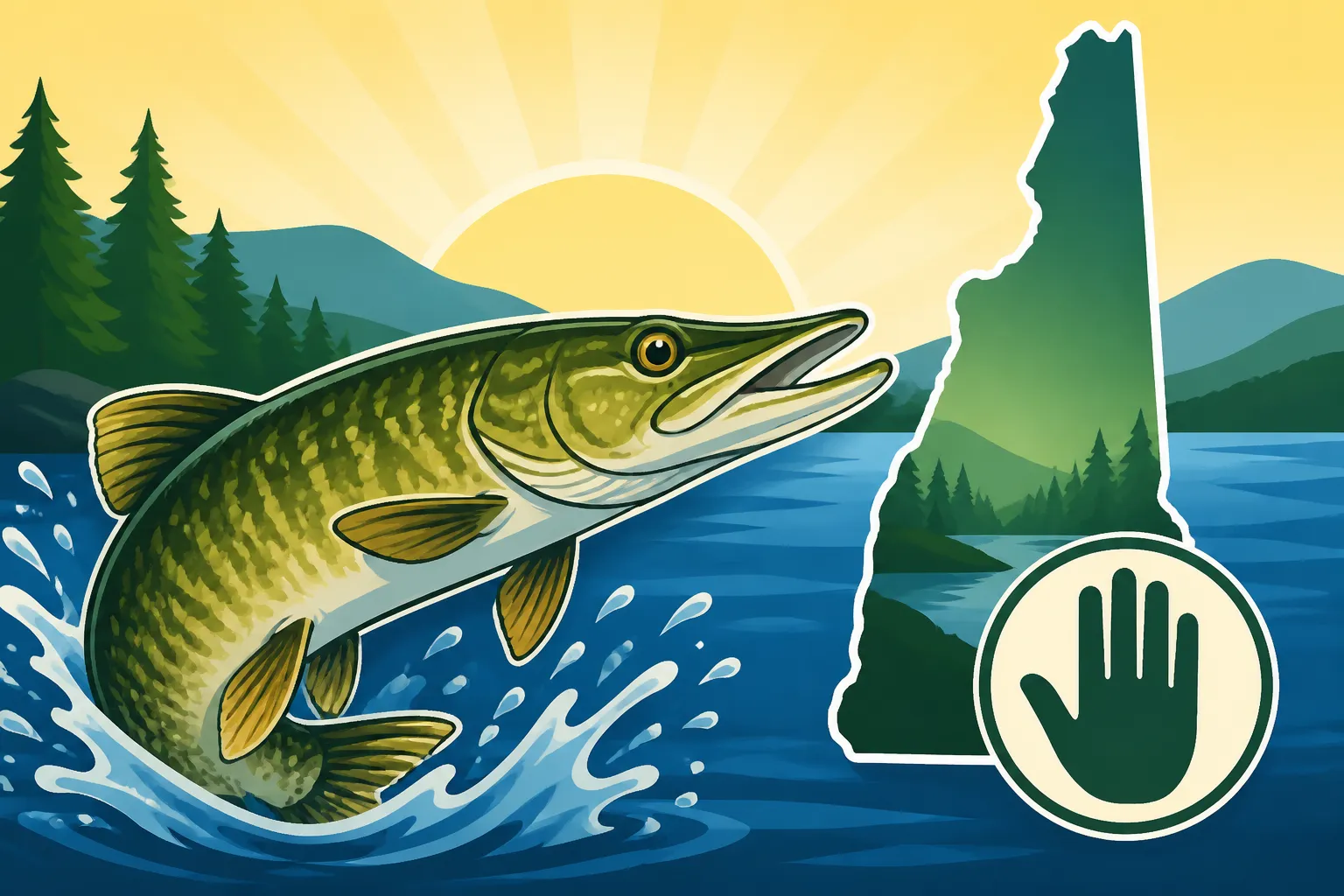
Chain pickerel are easily recognizable by their distinctive chain-like pattern on their sides, a long, slender body, and a duck-bill-shaped mouth filled with sharp, needle-like teeth. They are ambush predators, perfectly camouflaged to hide among aquatic vegetation. They typically prefer shallow, weedy areas of lakes, ponds, slow-moving rivers, and even swamps. Think lily pads, submerged grass beds, and fallen timber – any place they can hide and surprise unsuspecting prey. You can learn more about their preferred haunts in our guide on Where chain pickerel live in New Hampshire.
Their behavior is largely dictated by their predatory nature. They are opportunistic feeders, striking at anything that looks like an easy meal. This makes them incredibly fun to target because they are often very aggressive. They'll readily hit a variety of lures and baits, especially during active feeding periods. During warmer months, they tend to be more active in the mornings and evenings, retreating to deeper, cooler water or denser cover during the midday sun. In winter, they are a popular target for ice fishing, remaining active under the ice.
What Chain Pickerel Eat
As mentioned, pickerel are not picky eaters. Their diet consists primarily of smaller fish such as minnows, shiners, perch, and juvenile versions of other game fish. They will also readily consume frogs, crayfish, insects, and even small rodents or ducklings if the opportunity arises. Their broad diet means they respond well to a wide array of baits and lures that mimic these food sources. Knowing What chain pickerel eat in New Hampshire ponds can help you select the most effective presentations.
Their aggressive feeding habits and adaptability are part of what makes them such a successful species in many New Hampshire ecosystems. However, this also contributes to the need for management strategies that include liberal harvest limits in certain areas, to ensure they don't unduly impact other fish populations crucial to the state's diverse fisheries.
Targeting Chain Pickerel in New Hampshire
Now that you know the regulations (or lack thereof for most waters!) and a bit about the fish, let's talk about how to catch them. Targeting chain pickerel is a fantastic way to enjoy New Hampshire fishing, often providing consistent action even when other species are finicky.
Essential Gear and Tackle
You don't need a super specialized setup to catch chain pickerel. Many anglers find success with gear they already own for bass or panfish.
- Rods and Reels: A medium-light to medium power spinning rod, about 6 to 7 feet long, paired with a 2500 or 3000 series spinning reel, is ideal. This setup provides enough backbone to handle a feisty pickerel while remaining sensitive enough to detect subtle bites. For beginners, a combo like a KastKing Crixus or a Shimano Sienna setup, which you can often find readily available on Amazon, offers excellent value.
- Line: Spool your reel with 6 to 10 lb monofilament or fluorocarbon line. If you're fishing heavily weedy areas, a braided line of 15 to 20 lb test can be beneficial for its strength and abrasion resistance, especially when combined with a fluorocarbon leader.
- Leaders: This is crucial! Chain pickerel have incredibly sharp teeth that can easily cut through monofilament or fluorocarbon line. A short (6-12 inch) leader made of 20-30 lb test fluorocarbon or, even better, a thin steel or titanium leader, will save you a lot of lost lures. These leaders are inexpensive and can be found in most tackle shops or online on Amazon.
- Lures and Baits: Pickerel are not shy!
- Spoons: Classic metal spoons like a Daredevil or a Johnson Silver Minnow are deadly. Their wobbling action and flash mimic injured baitfish perfectly.
- Spinnerbaits: These are excellent for covering water in weedy areas. The flash of the blades and the vibration often trigger aggressive strikes.
- Jerkbaits: Suspending jerkbaits worked with a twitch-pause retrieve can be irresistible to pickerel, especially in cooler water.
- Soft Plastics: Flukes, swimbaits, or even simple curly tail grubs rigged on a jig head can be very effective.
- Live Bait: Minnows are a top choice for pickerel, either fished under a bobber or slowly retrieved. A guide like Best Bait for Chain Pickerel in Weed Beds can give you more specific live bait insights.
Techniques for Success
Targeting chain pickerel is often about fishing where they live – those weedy, ambush spots.
- Casting and Retrieving: Cast your chosen lure or bait near weed edges, lily pads, submerged logs, or any structure. Vary your retrieve speed. Sometimes a fast, erratic retrieve triggers a strike, while other times a slow, steady retrieve is more effective. Don't be afraid to pause your retrieve, especially with jerkbaits; pickerel often hit on the pause.
- Trolling: In larger lakes, slow trolling spoons or small crankbaits along weed lines or contours can be a productive way to cover water and find active fish.
- Ice Fishing: During winter, chain pickerel are a popular target for ice anglers. Tip-ups rigged with live minnows are highly effective, as are jigging spoons or flashy tungsten jigs tipped with a grub or a piece of bait.
- Handling Pickerel: Be extremely careful when unhooking chain pickerel due to their sharp teeth. Use pliers or a dehooking tool. A good pair of long-nosed pliers is a must-have in your tackle box, readily available at sporting goods stores or online at Amazon. Avoid putting your fingers near their mouth.
For more detailed information on techniques, check out our guide on Best Techniques for Chain Pickerel.
The Importance of Following Fishing Regulations
Even with liberal limits for chain pickerel, it's paramount to understand and adhere to all fishing regulations set forth by the New Hampshire Fish and Game Department. These rules aren't just arbitrary; they are carefully crafted to ensure the long-term health and sustainability of New Hampshire's invaluable aquatic resources for everyone.
Sustainable Fisheries Management
Every regulation, from license requirements to specific bag and size limits, plays a role in sustainable fisheries management. While chain pickerel might not have restrictive limits in most areas, other species do. Overharvesting any species can lead to population declines, disrupting the delicate balance of the ecosystem. By following the rules, you contribute to ensuring that future generations of anglers will also have the opportunity to enjoy fishing in New Hampshire. This commitment to conservation is a shared responsibility among all outdoor enthusiasts.
Legal Compliance and Penalties
Fishing without a valid New Hampshire fishing license or failing to adhere to specific regulations can result in significant penalties. These can range from fines to the loss of fishing privileges, and in severe cases, even more serious legal consequences. It's simply not worth the risk. Before every outing, ensure you have your current license, understand the rules for the specific water body you plan to fish, and adhere to all boating and safety regulations. Information on licenses, including New Hampshire resident fishing license cost 2026, is readily available through the Fish and Game Department. Ignorance of the law is never an excuse. Our detailed guide on Fishing Without a License in New Hampshire: Penalties can provide further clarity on the serious consequences of non-compliance.
Contributing to Conservation Efforts
When you purchase a fishing license, a significant portion of those funds goes directly back into conservation efforts, fisheries management, habitat restoration, and stocking programs. Even when the limits on a species like pickerel are generous, your participation in the regulated system helps fund the work that keeps New Hampshire's waters thriving. It's a small investment with a huge return for the environment and the angling community.
New Hampshire Chain Pickerel Regulations Overview
To help visualize the general rules, here's a quick reference table. Remember, always double-check the current New Hampshire Freshwater Fishing Digest for any water body-specific exceptions.
| Regulation Category | Standard Rule for Chain Pickerel (Most Waters) | Key Considerations |
|---|---|---|
| Daily Limit | None (No limit) | Encourages harvest to manage populations; provides ample sport fishing opportunity. |
| Possession Limit | None (No limit) | Similar to daily limit, allows for keeping a large number if desired. |
| Size Limit | None (No minimum or maximum length) | Anglers can keep pickerel of any size. |
| Special Waters | Check the Fishing Digest | Always verify for specific ponds/lakes/rivers that may have unique regulations (rare for pickerel, but possible). |
| License Required | Yes (For ages 16 and over) | A valid New Hampshire fishing license is always required to fish legally. |
| Gear | Standard angling methods allowed | Barbed hooks generally permitted; check specific water body rules for artificial lures or fly-fishing only sections. |
Disclaimer
Please note that fishing regulations can change periodically. While this guide provides the most current information available at the time of writing, it is essential for every angler to consult the official New Hampshire Fish and Game Department's Freshwater Fishing Digest or website for the most up-to-date and complete regulations before heading out to fish. Your compliance with these rules ensures the continued health of New Hampshire's fisheries.