New Hampshire ice fishing season for pickerel and perch
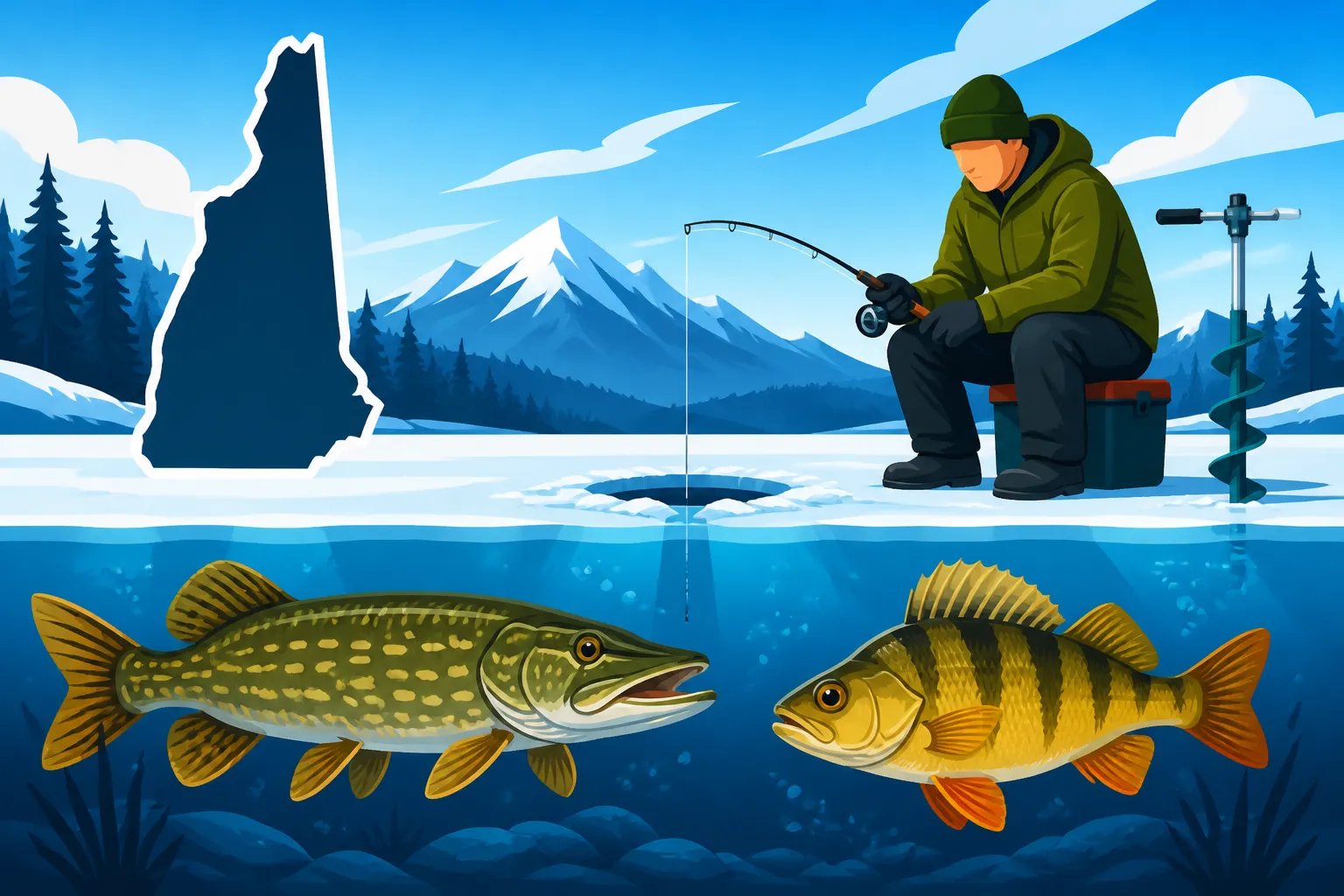
There’s nothing quite like the crisp air, the quiet solitude, and the unique thrill of ice fishing in New Hampshire. But before you head out onto the hard water, figuring out the exact season dates and regulations for specific species like pickerel and perch can feel like trying to solve a puzzle with half the pieces missing. This guide is here to clear up that confusion, giving you a comprehensive breakdown of when you can chase those aggressive pickerel and abundant perch through the ice in the Granite State.
Understanding New Hampshire's Ice Fishing Regulations for Panfish
One of the biggest frustrations many anglers face in New Hampshire is deciphering the regulations. It’s easy to assume a blanket rule applies to all species once the ice forms, but that's not always the case. The New Hampshire Fish and Game Department has specific guidelines in place, not just to manage fish populations but also to ensure sustainable fishing opportunities for everyone. For panfish like pickerel and perch, the rules are generally quite favorable, making them excellent targets for ice anglers of all skill levels. Understanding these foundational regulations is your first step to a successful and legal outing.
Statewide Season Dates and General Rules
For most of New Hampshire's lakes and ponds, the ice fishing season for species like pickerel and perch kicks off on January 1st and runs straight through to March 31st. This is a pretty solid three-month window, giving you ample opportunity to get out there, provided the ice conditions are safe. You'll find that these dates are fairly consistent across the vast majority of public waters, which definitely simplifies planning your winter adventures. It’s important to remember that while the official season has an end date, the actual ability to fish safely depends entirely on ice conditions. A warm spell in March can shorten your season significantly, making safe ice inaccessible well before the calendar says March 31st. Always prioritize safety over season dates, and never venture onto unsafe ice, regardless of what the regulations state.
These general statewide rules are a real blessing for anglers targeting common species. Unlike some game fish that have intricate, staggered seasons or specific opening days, pickerel and perch are generally open for the entire designated ice fishing period. This consistency means you don't have to constantly cross-reference multiple calendars just for these popular panfish. You can focus more on scouting locations and refining your techniques, rather than worrying if you're allowed to be on the ice for these particular species. To dive deeper into the overarching rules, it’s always a good idea to consult the latest Reading the New Hampshire Freshwater Fishing Digest.
Daily Limits and Possession for Pickerel and Perch
When it comes to how many fish you can keep, New Hampshire is quite generous with pickerel and perch, recognizing their abundance and popularity as table fare. For chain pickerel, the statewide daily limit is 10 fish, and there's generally no minimum length limit, although you should always check the specific water body for exceptions. This means if you're having a good day, you can bring home a decent haul for a fish fry. For yellow perch, the daily limit is a whopping 25 fish. Again, there’s typically no length limit on yellow perch, making them a fantastic target for quantity. Black crappie, another popular panfish often caught while targeting perch, shares the same generous 25-fish daily limit.
It's crucial to understand the difference between a daily limit and a possession limit. A daily limit refers to the maximum number of fish you can harvest in a 24-hour period. A possession limit, on the other hand, is the maximum number of fish you can have in your actual possession at any given time, whether that’s in your cooler, at your camp, or at home. For most panfish in New Hampshire, the possession limit is the same as the daily limit. However, always double-check the digest, as regulations can change, and some species or special regulation waters might have different possession rules to prevent overharvesting. Knowing these numbers ensures you're fishing responsibly and legally. For more detailed information across all species, take a look at the comprehensive New Hampshire Bag and Possession Limits by Species.
Here’s a quick overview of the common panfish limits:
| Species | Daily Limit (Statewide) | Minimum Length (Statewide) | Season Dates (Statewide Ice Fishing) |
|---|---|---|---|
| Chain Pickerel | 10 | None | Jan 1 – Mar 31 |
| Yellow Perch | 25 | None | Jan 1 – Mar 31 |
| Black Crappie | 25 | None | Jan 1 – Mar 31 |
Note: Always consult the current New Hampshire Freshwater Fishing Digest for the most up-to-date and specific regulations, as exceptions can apply to individual water bodies.
Navigating Water Body Specific Regulations and Exceptions
While the statewide ice fishing season of January 1st to March 31st and the generous limits for pickerel and perch generally apply, New Hampshire is a state that loves to tailor its regulations to specific bodies of water. This can be a bit of a headache for anglers, as what's perfectly legal on Lake Winnipesaukee might be prohibited on a smaller pond just a few miles away. The reasoning behind these exceptions is usually sound, stemming from efforts to protect unique fisheries, manage specific populations, or address ecological concerns. However, it still means that relying solely on general knowledge isn't enough; you absolutely must do your homework for the particular lake or pond you plan to visit.
Identifying Special Regulation Waters
Some lakes and ponds in New Hampshire are designated as "Special Regulation Waters," and these are the places where the general statewide rules might not apply. You might find different season dates, altered length limits, or even different daily limits for pickerel, perch, or other species in these specific locations. For instance, a particular pond might be managed for trophy brook trout, and as such, certain aspects of panfish fishing might be adjusted to reduce bycatch or maintain ecosystem balance. These special regulations are often implemented to protect vulnerable fish populations, enhance certain fisheries, or simply manage high-pressure fishing spots more effectively.
The challenge, of course, is knowing which waters fall under these special categories. You can't just guess! Failing to check can lead to fines and a ruined day on the ice. Common examples of waters with special regulations might include designated "fly-fishing only" sections on rivers (though less common for ice fishing), or ponds managed for specific coldwater species where ice fishing pressure on other species is closely monitored. Before you even think about drilling a hole, it's essential to pinpoint if your chosen fishing spot has any deviations from the norm. This step is non-negotiable for responsible angling. To help navigate these nuances, our guide on New Hampshire Ice Fishing Regulations by Water Body offers more insights into finding these unique local rules.
The Importance of the Freshwater Fishing Digest
This brings us to the ultimate source of truth for all New Hampshire fishing regulations: the New Hampshire Freshwater Fishing Digest. This comprehensive guide, published annually by the New Hampshire Fish and Game Department, is your bible for legal angling in the state. It lists every single regulation, including those crucial water body specific exceptions. You simply cannot ice fish legally and confidently without consulting the current year's digest. Many seasoned anglers keep a physical copy in their tackle box or truck, while others rely on the digital PDF version available on the NH Fish and Game website.
The digest will have a dedicated section, usually clearly marked, outlining all lakes and ponds that have regulations differing from the statewide rules. It might list them alphabetically by county or by name, detailing any specific season dates, length limits, or bag limits for any species, including pickerel and perch, that apply only to that particular body of water. My advice? Don't just skim it. Take the time to read the sections relevant to your target species and, most importantly, the specific body of water you intend to fish. If you prefer a physical copy for easy reference on the ice, many tackle shops or general stores carry them, and you can even find waterproof cases or small tablets for viewing the New Hampshire Freshwater Fishing Digest PDF available on Amazon. Having a readily accessible copy means you're never left guessing.
Essential Considerations Beyond Season Dates for Ice Fishing Success
Knowing the season dates and limits is fundamental, but a successful and safe ice fishing trip for pickerel and perch in New Hampshire involves much more than just a calendar check. The very nature of ice fishing introduces unique challenges and safety requirements that demand attention. Beyond the legalities, focusing on safety, appropriate gear, and effective techniques will not only increase your chances of catching fish but, more importantly, ensure you come home safely at the end of the day.
Ice Safety and Thickness Requirements
This is, without a doubt, the most critical aspect of ice fishing. No amount of fish is worth risking your life. Many anglers, especially those new to the sport, get anxious about knowing if the ice is truly safe, and that's a perfectly valid concern. New Hampshire Fish and Game strongly emphasizes that no ice is 100% safe. Ice strength can vary wildly even across a small pond, influenced by currents, springs, snow cover, temperature fluctuations, and submerged structures.
Generally, a minimum of 4 inches of clear, solid ice is recommended for individual foot travel. If you're bringing an ATV or snowmobile, that number jumps to at least 5-7 inches, and for a truck, you'd need a hefty 12-15 inches. However, these are just guidelines. Always drill test holes as you venture out, especially when exploring new areas or at the beginning and end of the season. Use an ice auger or a spud bar to check thickness regularly. My pro tip: Never go out alone, always tell someone where you're going and when you expect to return, and carry ice picks around your neck for self-rescue. You can find essential safety equipment like reliable ice augers and sturdy spud bars on Amazon, which are crucial for assessing ice integrity. To understand more about these critical safety margins, consult our in-depth guide on How thick ice needs to be before New Hampshire anglers fish it.
| Activity | Recommended Minimum Clear Ice Thickness |
|---|---|
| Ice fishing on foot | 4 inches |
| Snowmobile or ATV | 5-7 inches |
| Light truck or car | 8-12 inches |
| Medium truck | 12-15 inches |
| Always check local conditions and follow official safety guidelines. |
Gear and Techniques for Pickerel and Perch
Once you've confirmed safe ice, turning your attention to gear and techniques will greatly enhance your pickerel and perch pursuits. These species, while often abundant, respond well to specific presentations through the ice. For pickerel, aggressive biters by nature, tip-ups are incredibly effective. A common setup involves using a sturdy tip-up, 10-20 lb monofilament or braided line, and a small to medium-sized shiner, smelt, or other baitfish hooked through the back. Set your bait a foot or two off the bottom or midway in the water column, especially near weed edges or drop-offs where pickerel ambush prey.
For perch, jigging is often the name of the game. A light to ultra-light ice rod paired with a small spinning reel spooled with 4-6 lb fluorocarbon or monofilament line is ideal. Small tungsten jigs tipped with a grub, wax worm, or a small piece of baitfish are incredibly effective. Work these jigs slowly, just off the bottom, with subtle lifts and pauses. Perch often school, so if you catch one, drill a few more holes nearby! You can find a fantastic array of ice fishing specific gear, from tip-ups and jigging rods to specialized lures and baits, right on Amazon, making it convenient to stock up. If you're looking for more specific advice on gear choices, our article on Best Ice Fishing Gear for New Hampshire is a great resource, and for detailed techniques, check out Jigging for Perch Through the Ice.
Preparing for Your New Hampshire Ice Fishing Adventure
With regulations understood and safety paramount, the final step is to make sure you're fully prepared for your actual trip. This includes not just the fishing itself, but also ensuring you have all the necessary legal documentation and are mindful of your impact on New Hampshire's pristine winter environment. A well-planned trip is a successful trip, and taking care of these details beforehand means less stress and more enjoyment on the ice.
Licensing and Permits
Before you even think about drilling your first hole, you absolutely need a valid New Hampshire fishing license. This isn't just a suggestion; it's a legal requirement for anyone 16 years of age or older. The license covers both open water and ice fishing, so if you already have one from the spring or summer, you're likely all set, assuming it's still current. If not, don't worry, obtaining one is quite straightforward. You can purchase a license online through the New Hampshire Fish and Game website, or visit a licensed agent, such as a tackle shop, Walmart, or town clerk's office.
There are different options available, including resident and non-resident licenses, and various durations (annual, 3-day, 7-day, etc.), so you can choose what best fits your needs. Make sure you have your license on you while fishing, either a physical copy or a digital version on your phone, as conservation officers do check. Fishing without a license can result in fines and legal trouble, which is certainly not the memory you want to make on your trip. For comprehensive details on purchasing options and requirements, take a look at our guide on the New Hampshire Fishing License Guide for 2026 and How to Buy a Fishing License Online in New Hampshire.
Respecting the Environment and Fellow Anglers
New Hampshire's natural beauty in winter is something truly special, and it's our responsibility as anglers to keep it that way. Practicing "Leave No Trace" principles is paramount. This means packing out everything you pack in – all trash, broken line, bait containers, and especially any remnants of your lunch. Leaving debris on the ice is not only unsightly but can also be harmful to wildlife once the ice melts. Being a good steward of the environment ensures these fantastic fishing opportunities remain for future generations.
Furthermore, ice fishing often brings people into close quarters on popular lakes. Be mindful of your fellow anglers. Maintain a respectful distance from other ice shanties or groups, especially if you're using noisy augers. If you plan on using an ice shanty, remember that New Hampshire has specific regulations regarding their registration and removal. All ice fishing shanties must be removed from the ice by April 1st, or at ice-out, whichever comes first, to prevent them from becoming hazards to navigation and pollution in the spring. For detailed information, review the New Hampshire ice shanty registration rules. A little common courtesy goes a long way in making everyone's ice fishing experience enjoyable.
Disclaimer
Please remember that fishing regulations, including season dates and bag limits, are subject to change. While every effort has been made to provide accurate and up-to-date information, it is the angler's responsibility to consult the most current New Hampshire Freshwater Fishing Digest and the New Hampshire Fish and Game Department's official website before fishing. This guide is for informational purposes only and should not be considered a substitute for official regulations. Always prioritize ice safety and practice responsible angling.