New Hampshire free clam and oyster license age requirement
Navigating the ins and outs of fishing and shellfishing licenses in a place like New Hampshire can feel like trying to untangle a stubbornly knotted fishing line. It's especially frustrating when you just want to enjoy a peaceful day on the coast, gathering some delicious clams or oysters, and you're not sure if you even need a license, let alone how to get a free one. This guide is here to cut through that confusion, focusing specifically on the age requirements for New Hampshire's free clam and oyster license, and what you need to know to enjoy this unique Seacoast pastime without a hitch.
Understanding New Hampshire's Shellfishing Landscape
New Hampshire's relatively short but beautiful coastline, particularly around the Great Bay Estuary, offers some fantastic opportunities for shellfishing. It’s a cherished tradition for many, a way to connect with the natural bounty of the sea and gather some incredibly fresh seafood for the dinner table. But unlike dropping a line for trout in an inland pond, gathering clams and oysters comes with its own unique set of rules and considerations, primarily centered around public health and sustainable harvesting.
The Allure of New Hampshire's Coastline for Shellfishing
There’s something truly special about digging your own clams or prying oysters from their beds. It’s an experience that harkens back to simpler times, a primal connection to the food we eat. In New Hampshire, the Great Bay Estuary is the heart of this activity. Its nutrient-rich waters provide an ideal habitat for softshell clams, quahogs, and oysters. For many residents, especially those who've grown up here, a trip to the mudflats at low tide is an annual ritual, a chance to enjoy the fresh air, the salty scent of the bay, and the satisfaction of a bucket filled with nature's treasures. It’s not just about the harvest; it’s about the peace, the exercise, and the stories shared with family and friends.
The Importance of Regulations: Why Rules Exist
While the idea of freely gathering shellfish might sound idyllic, strict regulations are absolutely vital. These rules aren't just there to make things complicated; they protect both the public and the valuable marine resources themselves. The primary concerns for shellfishing are public health, due to potential contaminants like paralytic shellfish poisoning (PSP) or "red tide," and the long-term sustainability of the clam and oyster populations. Overharvesting or harvesting from polluted areas can have devastating consequences. The New Hampshire Fish and Game Department, often in conjunction with the Department of Environmental Services (DES), closely monitors water quality and shellfish populations, issuing closures and setting limits to ensure safety and responsible management. This means that even with a license, you'll need to stay informed about current conditions, which you can usually find through their official channels. This is much like understanding the broader New Hampshire Fishing Regulations Explained for finfish.
Distinguishing Between Freshwater and Marine Licenses
It's crucial to understand that the world of New Hampshire fishing licenses is divided into two distinct realms: freshwater and saltwater. Most recreational anglers are familiar with the standard freshwater fishing license, which covers everything from brook trout in mountain streams to bass in sprawling lakes like Winnipesaukee. However, when you step into the tidal zones, things change. While many general fishing licenses, especially for residents, might cover some saltwater finfish, shellfishing is often treated as a separate category with its own specific permits. The clam and oyster license, whether free or paid, falls squarely into this marine category. It’s not simply an extension of your regular fishing license, so don't assume your general license covers digging for clams. You'll need to specifically apply for a shellfishing license if you plan to target these delicious bivalves.
Eligibility for the Free Clam and Oyster License
Okay, let's get down to the brass tacks of who qualifies for this elusive free license. It's a fantastic benefit for eligible New Hampshire residents, but like most things involving state regulations, there are specific criteria that must be met. Not everyone gets a free pass, so understanding the age and residency requirements is paramount before you head out to the mudflats.
The Specific Age Requirement for Free Shellfishing
For many years, New Hampshire has recognized the value of encouraging its elder residents to remain active and engaged with the state's natural resources. This ethos extends to shellfishing. The free clam and oyster license is specifically available to New Hampshire residents who are 68 years of age or older. That's right, once you hit that 68-year milestone, you become eligible for a free permit to harvest clams and oysters along the coast. This is a pretty sweet deal, acknowledging a lifetime of contribution to the state and offering a tangible benefit for those in their golden years. It's a nice perk for those who remember simpler times of shellfishing with their grandparents and now want to continue the tradition or even start a new one. This specific age contrasts with general New Hampshire Fishing License Age Requirements, where younger individuals might still need a license, even if discounted.
Residency Matters for the Free License
This free license is a benefit exclusively for New Hampshire residents. You can't be visiting from Massachusetts or Maine and expect to qualify, even if you meet the age requirement. To be considered a resident for licensing purposes, you generally must have lived continuously in New Hampshire for at least six months prior to applying for the license, and you must consider New Hampshire your sole legal residence. This usually means having a New Hampshire driver's license or state ID, and establishing residency through things like voter registration and property ownership or rental agreements. The state wants to ensure that these benefits are truly going to its long-term inhabitants. If you're a non-resident, even if you're 68 or older, you will need to purchase a regular non-resident shellfishing license if one is available, or a general New Hampshire Saltwater Fishing License, Explained if it covers the species you're targeting. The rules can be quite strict on what constitutes residency, so if there's any doubt, it's always best to check directly with the New Hampshire Fish and Game Department.
What the Free License Covers
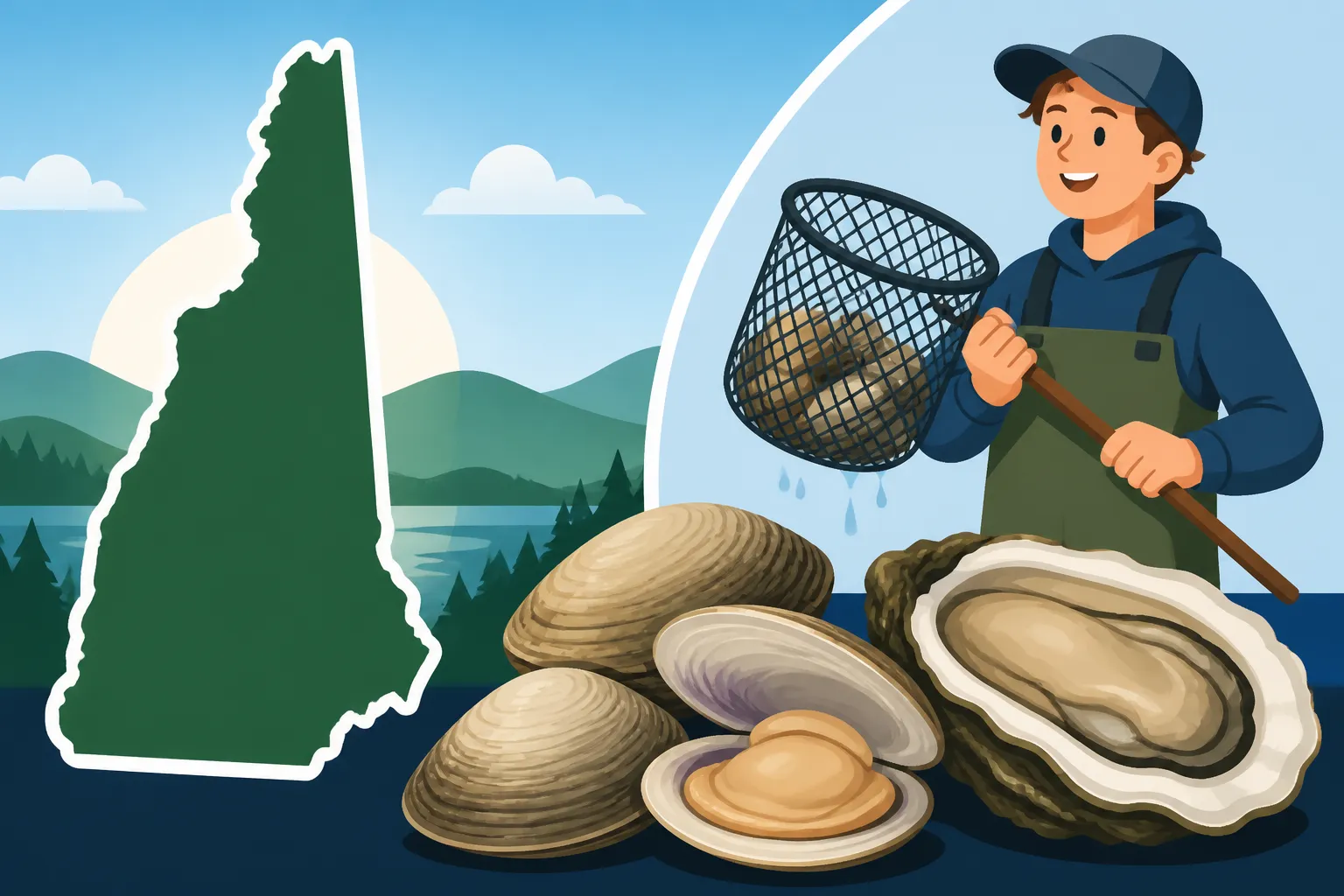
The free clam and oyster license, once obtained, permits the eligible resident to recreationally harvest softshell clams, quahogs, and oysters from designated open areas in New Hampshire's tidal waters. It's important to stress "recreationally" here; this license is not for commercial harvesting. Commercial operations require an entirely different, and much more stringent, set of permits and regulations.
The license typically runs for a full calendar year, usually expiring on December 31st, regardless of when you obtain it during the year. This means if you get it in November, it's only good for a couple of months, so timing your application can maximize its use. However, even with the license, you are still subject to all other prevailing shellfishing regulations, including:
- Daily Bag Limits: The maximum number of clams or oysters you can harvest in a single day. These limits are in place to prevent overharvesting and ensure the sustainability of the resource.
- Size Limits: Minimum sizes for certain species to allow them to reach reproductive maturity.
- Gear Restrictions: What tools you are allowed to use for digging or gathering. Typically, hand tools like clam forks or rakes are permitted, but motorized equipment is strictly prohibited for recreational use.
- Area Closures: Crucially, the license does not grant you permission to harvest from closed areas. These closures can be due to water quality issues (like red tide, bacterial contamination), conservation efforts, or private property restrictions. Always check for closures before you go; this information is usually updated daily on the NH Fish and Game or DES websites.
It's a wonderful opportunity, but one that comes with the responsibility of staying informed and adhering to all rules for the sake of the resource and public health.
How to Obtain Your Free Shellfishing License
So, you've confirmed you're a New Hampshire resident aged 68 or older, and you're ready to get your free clam and oyster license. The process is generally straightforward, but knowing the steps and what you'll need beforehand can save you a trip or a headache. The state tries to make it accessible, but a little preparation goes a long way.
Step-by-Step Application Process
Getting your free license is quite similar to purchasing a regular one, just without the payment step! Here's how it generally works:
- Online (If Available): The New Hampshire Fish and Game Department often has an online licensing portal. You would typically create an account or log in, select the clam and oyster license, and if your age and residency are verified through the system (often linked to your NH driver's license or previous license history), the fee will be waived. This is often the quickest and most convenient option, allowing you to print your license right from home. If you're already familiar with How to Buy a Fishing License Online in New Hampshire, this process will feel very familiar.
- In-Person at a License Agent: Many local sporting goods stores, bait shops, and town clerks act as official license agents for NH Fish and Game. You can walk into one of these vendors, present your identification, and request the free clam and oyster license. They will process it through their system, and upon verification of your age and residency, issue the license on the spot. To find a convenient location, you might look up the New Hampshire Fish and Game license agent list or search for "New Hampshire fishing license vendors near me."
- At the NH Fish and Game Headquarters: You can also visit the New Hampshire Fish and Game Department headquarters in Concord during business hours. Their staff can assist you directly with the application, ensuring all your details are correct and issuing your license.
Remember, regardless of the method, it's vital that your residency and age can be verified.
Required Documentation
Whether you apply online or in person, you'll need to prove you meet the eligibility criteria. Here's what you should typically have ready:
- Proof of Age: A valid government-issued photo ID is usually sufficient. This could be your New Hampshire Driver's License or a New Hampshire State ID card. These documents clearly display your date of birth, allowing the system or agent to confirm you are 68 or older.
- Proof of Residency: Again, your New Hampshire Driver's License or State ID is usually the primary form of proof. If you don't have one, or if there's any question, you might need to provide supplemental documentation. This could include a utility bill with your New Hampshire address, a voter registration card, or property tax statements. The state needs to see clear evidence that you are a bona fide resident.
- Previous License History (Optional but helpful): If you've purchased other New Hampshire fishing or hunting licenses in the past, having your old license number can sometimes speed up the process as your information might already be in the system.
Always double-check the latest requirements on the NH Fish and Game website before heading out, as regulations can sometimes be updated.
What to Do if You Don't Qualify
If you don't meet the age or residency requirements for the free license, don't despair! You can still enjoy the bounty of New Hampshire's coastal waters. You'll simply need to purchase the appropriate license.
- For New Hampshire Residents under 68: You will need to purchase a recreational clam and oyster license. The cost is usually quite reasonable and supports the conservation efforts of the state. These licenses can be purchased through the same online portal or at any license agent.
- For Non-Residents: If you're visiting from out of state, you'll need to purchase a non-resident recreational clam and oyster license. These are typically more expensive than resident licenses, reflecting the higher fees often charged to non-residents for various state services. Again, check the NH Fish and Game website for current pricing and availability. It's crucial to understand the rules for specific species, as sometimes general saltwater licenses cover finfish but not shellfish.
- General Saltwater Fishing License: It's worth noting that even if you're not specifically targeting clams or oysters, if you plan to fish for finfish in saltwater, you will generally need a saltwater fishing license. New Hampshire has a streamlined approach where your regular freshwater fishing license also covers saltwater finfish for residents, but non-residents need a specific New Hampshire Saltwater Fishing License, Explained. Always verify what your specific license covers to avoid any fines.
In any case, the cost of a recreational license is a small price to pay for the enjoyment and fresh seafood you can gather, knowing that your contribution helps maintain these valuable resources for everyone.
| License Type | Eligibility | Cost (Approx.) |
|---|---|---|
| Free Clam & Oyster | NH Resident, 68+ years old | Free |
| Resident Clam & Oyster | NH Resident, under 68 years old | ~$10-15 |
| Non-Resident Clam & Oyster | Non-NH Resident, any age | ~$25-30 |
| Resident Freshwater/Saltwater | NH Resident, ages 16-67 | ~$35-45 |
| Non-Resident Freshwater/Saltwater | Non-NH Resident, ages 16+ | ~$60-80 |
Note: Costs are approximate for 2024-2025 and can change. Always check the official NH Fish and Game website for the most current pricing.
Beyond the License: Essential Shellfishing Regulations and Practices
Even with your free clam and oyster license in hand, your responsibilities as a shellfisher don't end there. New Hampshire has a robust system of regulations designed to protect both the resource and the public, and it’s critical to understand and adhere to them. Ignoring these rules can lead to fines, closures, and even serious health risks. Think of it as part of the overall experience – staying informed ensures that you and others can enjoy shellfishing for years to come.
Daily Limits and Seasonality for Shellfish
Just like with finfish, there are specific daily bag and possession limits for clams and oysters. These limits vary by species and are designed to prevent overharvesting. For example, you might be allowed a certain volume (often measured in quarts or pecks) of softshell clams per day, and a different limit for oysters. These limits are non-negotiable, and exceeding them can result in penalties.
Seasonality also plays a huge role, though not in the traditional sense of "open" and "closed" seasons like deer hunting. Instead, shellfishing areas are often open year-round unless they are closed due to public health concerns. You won't find specific opening and closing dates for clams or oysters in the same way you would for, say, New Hampshire Bass Catch-and-Release Season, Explained. This makes checking the daily status of designated shellfishing areas absolutely paramount. The NH Fish and Game and Department of Environmental Services (DES) websites are your go-to for real-time information on area closures and openings. They use a flag system or direct announcements to indicate which areas are safe to harvest from.
Public Health and Safety Zones: Avoiding Contamination
This is perhaps the most critical aspect of shellfishing. Unlike finfish, shellfish are filter feeders, meaning they draw water through their bodies to extract food particles. In doing so, they can accumulate bacteria, viruses, and toxins present in the water.
- Red Tide (Paralytic Shellfish Poisoning – PSP): This is a naturally occurring phenomenon caused by certain algal blooms. Shellfish that consume these algae can accumulate toxins that are harmless to them but can be severely debilitating or even fatal to humans. NH DES monitors for red tide very closely, and when detected, affected areas are immediately closed to shellfishing.
- Bacterial Contamination: Runoff from heavy rains, wastewater treatment plant discharges, or even concentrated animal waste can introduce harmful bacteria like E. coli or Vibrio into shellfish beds. These closures are often temporary, enacted after significant rainfall or other events that could compromise water quality.
- Prohibited Areas: Certain areas are permanently closed to shellfishing due to chronic pollution, proximity to marinas or wastewater outfalls, or other long-term environmental concerns. These areas are usually clearly marked on maps provided by the state.
Always, always check the current status of the area you plan to visit. Ignorance is no excuse when it comes to public health. A quick check of the NH DES Shellfish Program website or calling their hotline before you leave home could literally save your life or prevent a severe illness. You might also want to consult resources like the Reading the New Hampshire Freshwater Fishing Digest, even if it's primarily for freshwater, as it teaches you how to interpret state regulations generally.
Responsible Harvesting Practices
Beyond just following the rules, being a responsible shellfisher means adopting practices that ensure the longevity of the resource and minimize your impact on the delicate estuarine environment.
- Use the Right Tools: For softshell clams, a clam fork or a short-handled rake is ideal. For oysters, a sturdy oyster knife or hammer to pry them from rocks or beds is necessary. Avoid anything that could excessively damage the seabed or other organisms. If you need new gear, you can often find suitable tools on sites like Amazon, from basic clam rakes to specialized oyster knives.
- Minimize Disturbances: When digging for clams, try to backfill your holes to restore the habitat as much as possible. Avoid excessive trampling of the mudflats.
- Respect Private Property: Not all waterfront property is public. Ensure you are shellfishing in areas designated for public access. Trespassing is illegal and can lead to fines.
- Leave No Trace: Pack out everything you pack in. This includes discarded shells (unless you leave them where you found them, which is often fine), food wrappers, and any other trash.
- Only Take What You Need: While daily limits are set, consider taking only what you and your family will realistically eat. This leaves more for other shellfishermen and for the ecosystem. It's a key part of conservation, much like catch and release practices for finfish, though with shellfish the "release" isn't an option once harvested.
- Proper Storage: Once harvested, keep your clams and oysters cool and clean. A cooler with ice is essential. This helps maintain their freshness and safety until you get them home for preparation.
By adhering to these practices, you're not just following the law; you're becoming a steward of New Hampshire's precious coastal resources. This allows future generations, including those who will eventually qualify for their own free clam and oyster licenses at 68, to enjoy the same rewarding experiences.
Disclaimer
The information provided in this guide is for general informational purposes only and is not intended as legal advice. Fishing and shellfishing regulations in New Hampshire are subject to change and interpretation by the New Hampshire Fish and Game Department and the New Hampshire Department of Environmental Services. Always consult the most current official regulations and advisories directly from these state agencies before engaging in any fishing or shellfishing activities.