Mercury advisory fish species in New Hampshire waters
It’s a real downer when you reel in a beautiful catch from one of New Hampshire’s pristine lakes or rivers, only to then pause and wonder, "Is this actually safe to eat?" The concern over mercury in fish is a valid one that many anglers share, and it can take the joy out of planning a fresh-fish dinner. This guide is here to shed light on mercury advisories in New Hampshire waters, helping you understand which species might carry concerns and how to make informed choices for a safe and delicious meal.
Understanding Mercury in Fish: What You Need to Know
When we talk about mercury in fish, we're not usually talking about the elemental mercury you might remember from old thermometers. Instead, the main concern for fish consumption is a highly toxic organic compound called methylmercury. This compound is particularly troubling because of how it behaves in aquatic environments and, subsequently, in the food chain. It's naturally occurring but also a byproduct of human activities like burning coal and industrial processes, which release mercury into the atmosphere.
What is Methylmercury and How Does it Get There?
Once mercury lands in water bodies, whether from atmospheric deposition or direct discharge, it undergoes a transformation. Microorganisms in the water and sediment convert inorganic mercury into its more toxic form, methylmercury. This is where the real problem begins for fish and, eventually, for us. Fish absorb methylmercury directly from the water passing over their gills and, more significantly, from the food they eat. This process is called bioaccumulation.
As smaller fish containing methylmercury are eaten by larger predatory fish, the concentration of methylmercury in the predators' bodies increases. This phenomenon, known as biomagnification, means that the biggest, oldest, and most predatory fish at the top of the food chain tend to have the highest levels of methylmercury. Think of a chain pickerel eating smaller minnows, or a lake trout preying on smaller fish and smelt; over their lifespan, they accumulate more and more of this compound. This is why you often hear specific advisories for these larger, longer-lived species.
Who is Most at Risk from Methylmercury Exposure?
While methylmercury can affect anyone, certain groups are far more vulnerable to its adverse health effects. The primary concern is for pregnant women, women who might become pregnant, nursing mothers, and young children. The developing nervous system is particularly sensitive to methylmercury, and exposure during critical periods of development can have serious consequences.
For pregnant women, methylmercury can easily pass through the placenta to the developing fetus, potentially impacting brain development and leading to neurological issues. Similarly, nursing mothers can pass methylmercury to their infants through breast milk. Young children, with their smaller body mass and rapidly developing brains, are also at increased risk. For these sensitive populations, even relatively low levels of exposure can be a concern, making careful adherence to fish consumption advisories absolutely essential. It's not about never eating fish, but about making smart, informed choices to protect the most vulnerable among us.
New Hampshire's Fish Consumption Advisories
It can feel a little overwhelming trying to figure out which fish are okay to eat and how much. New Hampshire, like many states, has a robust system of fish consumption advisories designed to protect public health while still allowing people to enjoy the bounty of its waters. These aren't meant to scare you away from fishing entirely, but rather to give you the information you need to make wise choices for yourself and your family. The key is knowing where to look and how to interpret the guidance.
Finding Official Advisories in New Hampshire
The primary sources for official fish consumption advisories in New Hampshire are the New Hampshire Department of Environmental Services (NHDES) and the New Hampshire Fish and Game Department. These agencies work together to test fish from various water bodies across the state and issue updated advisories. It’s crucial to always refer to their current publications, as recommendations can change based on new data or specific events. You can often find these advisories on their official websites, usually in a dedicated section for environmental health or fishing regulations.
Sometimes, these advisories are also included in the annual New Hampshire Fishing Regulations Explained guide or freshwater fishing digest that you might pick up when getting your New Hampshire Fishing License Guide for 2026. Don't just rely on hearsay or old printouts; always check the most recent information. A quick search online for "NH fish consumption advisory" will typically lead you directly to the NHDES environmental health pages, which are regularly updated and provide the most accurate information.
Common Species Under Advisory in New Hampshire
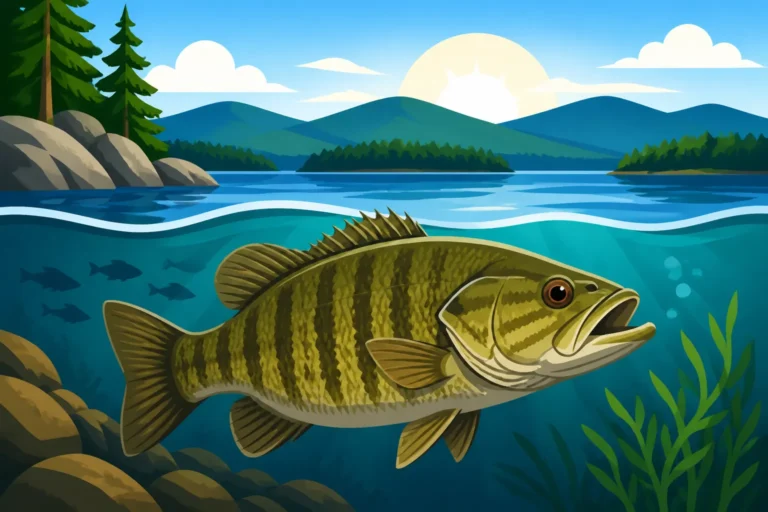
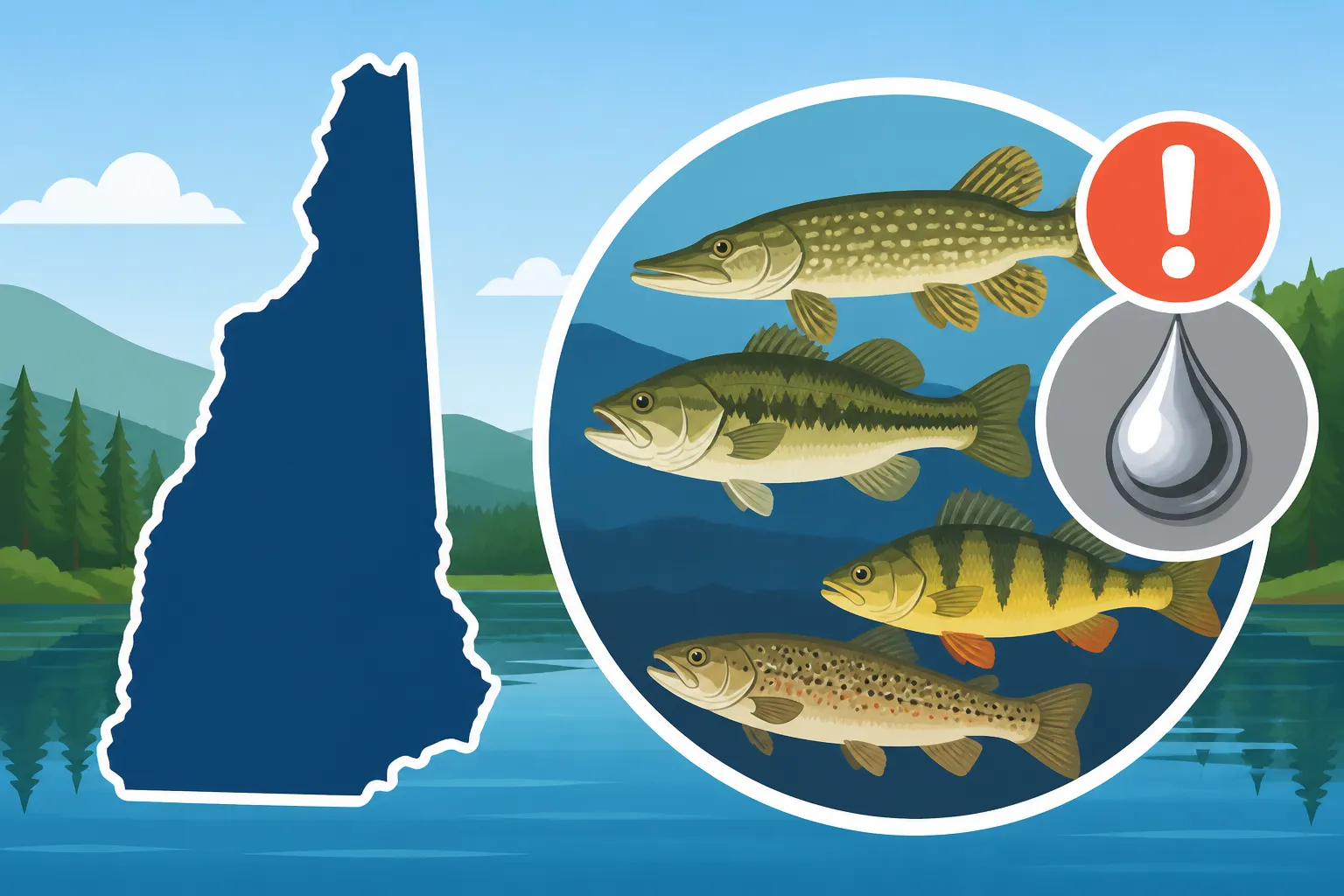
In New Hampshire, certain fish species are more likely to have mercury advisories due to their diet and longevity, as we discussed earlier. You'll frequently see warnings for larger, predatory fish that have had more time to accumulate methylmercury. This often includes species like northern pike, chain pickerel, lake trout, and certain bass species (both largemouth and smallmouth). It's not that these fish are inherently "bad," but their position at the top of the food chain means they are more susceptible to higher mercury levels.
For instance, a seasoned angler might catch a massive lake trout from Lake Winnipesaukee, a true trophy fish. While exciting, this fish, due to its age and size, would likely fall under stricter consumption guidelines than a panfish or a recently stocked trout. The advisories typically specify how many meals per month are considered safe for different population groups (general public, women of childbearing age, children). It's a pragmatic approach, acknowledging that people love to fish and eat their catch, but providing a framework for safety.
Interpreting the Advisory Chart: Meal Frequency and Portion Sizes
Official advisories are typically presented in an easy-to-understand chart format. This chart usually lists specific fish species from particular water bodies and then provides recommendations based on different demographic groups. For example, a common recommendation might be "limit consumption to one meal per week" for the general population, but "avoid consumption entirely" for pregnant women and young children when dealing with certain high-mercury species. A "meal" is generally defined as a standard adult portion, often around 6 to 8 ounces of fish.
It’s important to pay attention to both the species and the specific water body, as mercury levels can vary from one lake or river to another, even for the same species. For example, New Hampshire Lake Trout Ice Fishing Season Dates might mean you're targeting big lake trout, and you'll want to check the specific advisory for that lake. The charts often use clear symbols or color coding to make it simple to grasp at a glance. Don't gloss over these details; understanding them can help you safely enjoy your catch or decide to practice catch and release for certain fish.
Here's a simplified example of how an advisory might look. Please note: This table provides a conceptual example and not specific current New Hampshire advisories. Always refer to official NHDES/NH Fish & Game publications for the latest information.
| Fish Species (Example) | General Population (Adults) | Women of Childbearing Age/Children | Comments |
|---|---|---|---|
| Smallmouth Bass | Up to 2 meals per week | Up to 1 meal per week | Often found in many NH lakes. Varies by waterbody. |
| Chain Pickerel | Up to 1 meal per month | Avoid consumption | Higher on the food chain, can accumulate more mercury. |
| Lake Trout (large) | Up to 1 meal per month | Avoid consumption | Large, older lake trout typically have higher levels. Check specific lake advisories like Lake Winnipesaukee Fishing Guide. |
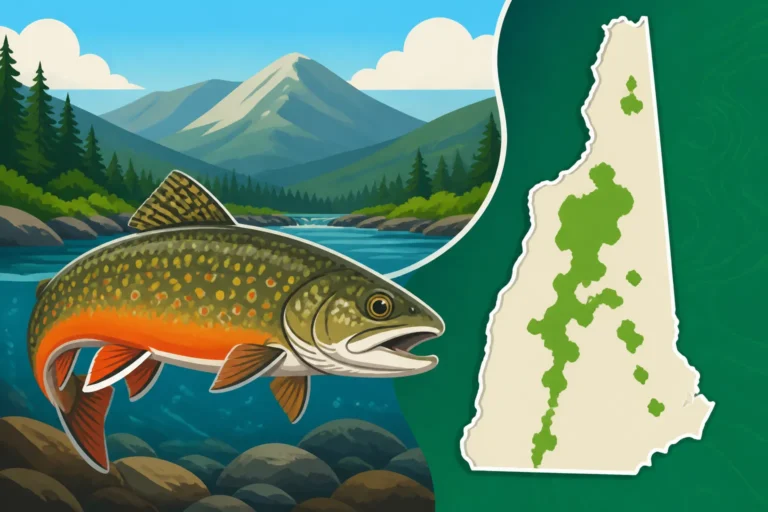
| Brook Trout (stocked) | Unrestricted (within regulations) | Unrestricted (within regulations) | Generally lower mercury due to smaller size and diet, often stocked. |
| Yellow Perch | Up to 2 meals per week | Up to 1 meal per week | Smaller panfish, generally lower risk. |
This table isn't the real thing, but it illustrates how officials communicate these guidelines. You can often find comprehensive charts on the NHDES website, which might even break down advice by specific waterbodies like New Hampshire Lake Winnipesaukee lake trout regulations or Squam Lake Largemouth Bass Fishing.
Making Informed Choices: Reducing Exposure
Understanding the advisories is the first step, but what can you actively do to reduce your exposure to mercury while still enjoying the great New Hampshire fishing scene? It's not about fear, but about empowerment through knowledge and practical strategies. There are several straightforward practices you can adopt to make your fishing trips both fun and safe for everyone at the dinner table.
Safe Eating Practices for Anglers and Families
One of the most effective ways to reduce your potential mercury intake is to vary the types of fish you eat. Instead of consistently targeting and consuming the same large, predatory species, try branching out. Smaller, younger fish and those lower on the food chain generally have lower mercury levels. Think about delicious panfish like yellow perch or black crappie, or the abundance of stocked trout in many of New Hampshire's ponds and rivers. New Hampshire Trout Stocking Report and Map can show you where to find these opportunities.
When you do choose to eat fish that might have advisories, stick to the recommended meal frequency and portion sizes. If the advisory says one meal per month, then truly make it one meal per month, especially if you fall into a higher-risk category. Consider catch-and-release for the really big, old trophy fish of species known to have higher mercury levels. This way, you still get the thrill of the catch without the consumption concerns. There are many great sources online, and even books available on Amazon, that can offer further guidance on sustainable and safe fish consumption.
Alternative Fish Species for Peace of Mind
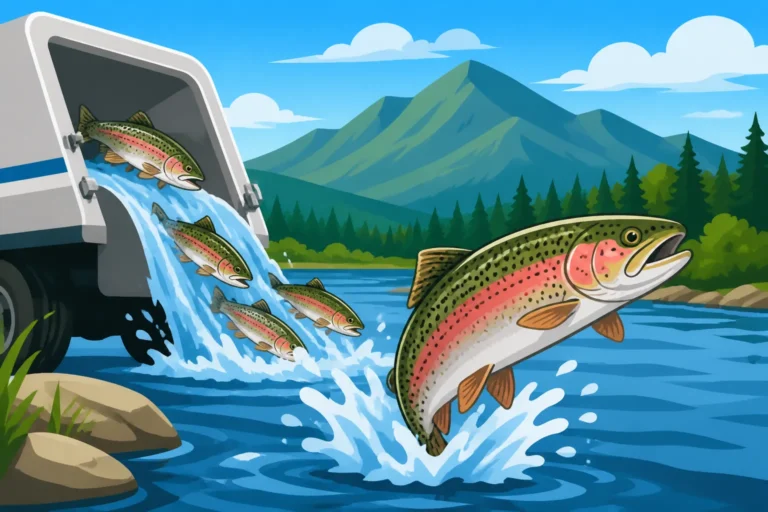
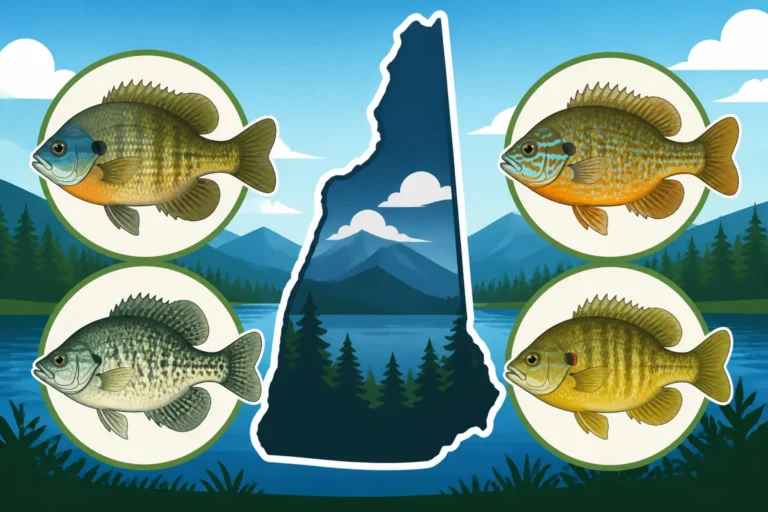
If you’re concerned about mercury, focusing on species that are known to have very low levels can bring a lot of peace of mind. As mentioned, many of New Hampshire's stocked trout, such as brook trout and rainbow trout, typically have very low mercury concentrations because they are raised in hatcheries and are often harvested at a younger age. These are fantastic options for a fresh, healthy meal. Similarly, most panfish species like sunfish, bluegill, and smaller yellow perch are generally considered safe for more frequent consumption.
These smaller fish also offer different angling challenges and opportunities. For example, a day targeting panfish can be incredibly rewarding, especially with kids, and you can still bring home a generous haul for a fish fry without the worry. Exploring different types of fishing, such as Panfish Fishing in New Hampshire, can open up new avenues for enjoyment and provide excellent table fare with minimal mercury concerns.
Preparing Your Catch to Minimize Risk
While cleaning a fish can't remove mercury that's already in the muscle tissue, there are some aspects of preparation that are good practice for overall health and enjoyment. Mercury accumulates in the muscle tissue of fish, not primarily in the fat or skin. Therefore, removing the skin, fat, and organs will not significantly reduce the mercury content of the edible fillet.
However, proper filleting and preparation are still crucial for taste and safety from other contaminants or pathogens. Always keep your catch cold and process it promptly. Ensure you cook fish thoroughly to an internal temperature of 145°F to eliminate any potential bacteria or parasites. If you're looking for new ways to prepare your catch, there are countless cookbooks and online recipes, many of which you can easily find on Amazon, that focus on healthy and delicious fish meals. Even if you're practicing catch-and-release more often, knowing proper fish handling techniques for those you keep ensures the best possible outcome for your meal.
New Hampshire Specifics and Resources
Navigating fish consumption advisories can feel like a labyrinth, especially when you're trying to figure out if that lake you love to fish has its own specific rules. It's not always a one-size-fits-all situation across the entire state, and staying on top of the latest information is crucial for responsible angling and healthy eating. The good news is that New Hampshire makes it relatively easy to find the information you need.
Statewide vs. Water-Body Specific Advisories
New Hampshire's advisories aren't just blanket rules for the whole state; they often include both general statewide recommendations and specific advisories for individual water bodies. For example, some general guidelines might apply to all freshwater fish of a certain type, but a large, well-studied lake like Lake Winnipesaukee might have its own detailed advisory based on extensive local testing. These site-specific advisories are particularly important because local environmental conditions can influence mercury levels.
Imagine you're planning a fishing trip to a new spot, perhaps one of the Best Fishing Lakes in New Hampshire. Before you go, it's a good idea to check if that specific lake or river has a particular advisory that differs from the general statewide guidance. The NHDES website is the best place for this detailed information, often providing maps or lists of water bodies with unique advisories. This local focus ensures that the advice you're getting is as accurate and relevant as possible for your particular fishing destination.
Staying Up-to-Date with Regulations
The world of environmental health and fishing regulations isn't static. Advisories can be updated periodically as more research is conducted, new fish testing data becomes available, or environmental conditions change. This means that staying informed is an ongoing process, not a one-time check. I always recommend making it a habit to glance at the NHDES and NH Fish & Game websites at the beginning of each fishing season or before heading to a new fishing spot.
You don't need to be glued to your computer, but a quick check ensures you're working with the most current information. Many state agencies also offer email newsletters or social media updates that can alert you to important changes. Knowing where to buy your New Hampshire Fishing License Online in New Hampshire is often the same place you'll find links to these crucial public health resources. Taking a proactive approach to staying informed is a hallmark of a responsible and health-conscious angler. For those who prefer physical copies, sometimes you can find printed versions of the advisory guidelines alongside the official Reading the New Hampshire Freshwater Fishing Digest at local license vendors or tackle shops, which might include specific recommendations.
Disclaimer
This article is for general informational purposes only and does not constitute professional advice. Laws, prices and regulations vary by location and change over time. Consult a qualified professional for guidance on your specific situation.