New Hampshire dwarf wedgemussel protected waters
It's frustrating when you hear about environmental protections that seem a little abstract, especially when they might impact your favorite fishing spots. You see signs or hear whispers about special regulations for certain waters, and sometimes it's all about tiny, unassuming creatures like the dwarf wedgemussel. But trust me, understanding why these little guys are so important, and what "protected waters" really means for us anglers, isn't just about following rules – it's about being part of something bigger, ensuring the health of our beloved New Hampshire waterways for generations to come. This guide will dive deep into what the dwarf wedgemussel is, why its protected waters are crucial, and how you can continue to enjoy fishing responsibly while helping these unique native inhabitants thrive.
Understanding the New Hampshire Dwarf Wedgemussel: A Tiny Treasure
Imagine a creature that spends its entire life embedded in the riverbed, silently filtering water and providing a vital link in the aquatic food chain. That's essentially the dwarf wedgemussel, a small but incredibly significant part of New Hampshire's natural heritage. Many anglers, myself included, have likely never seen one, yet their presence (or absence) tells a huge story about the health of a river.
What is the Dwarf Wedgemussel?
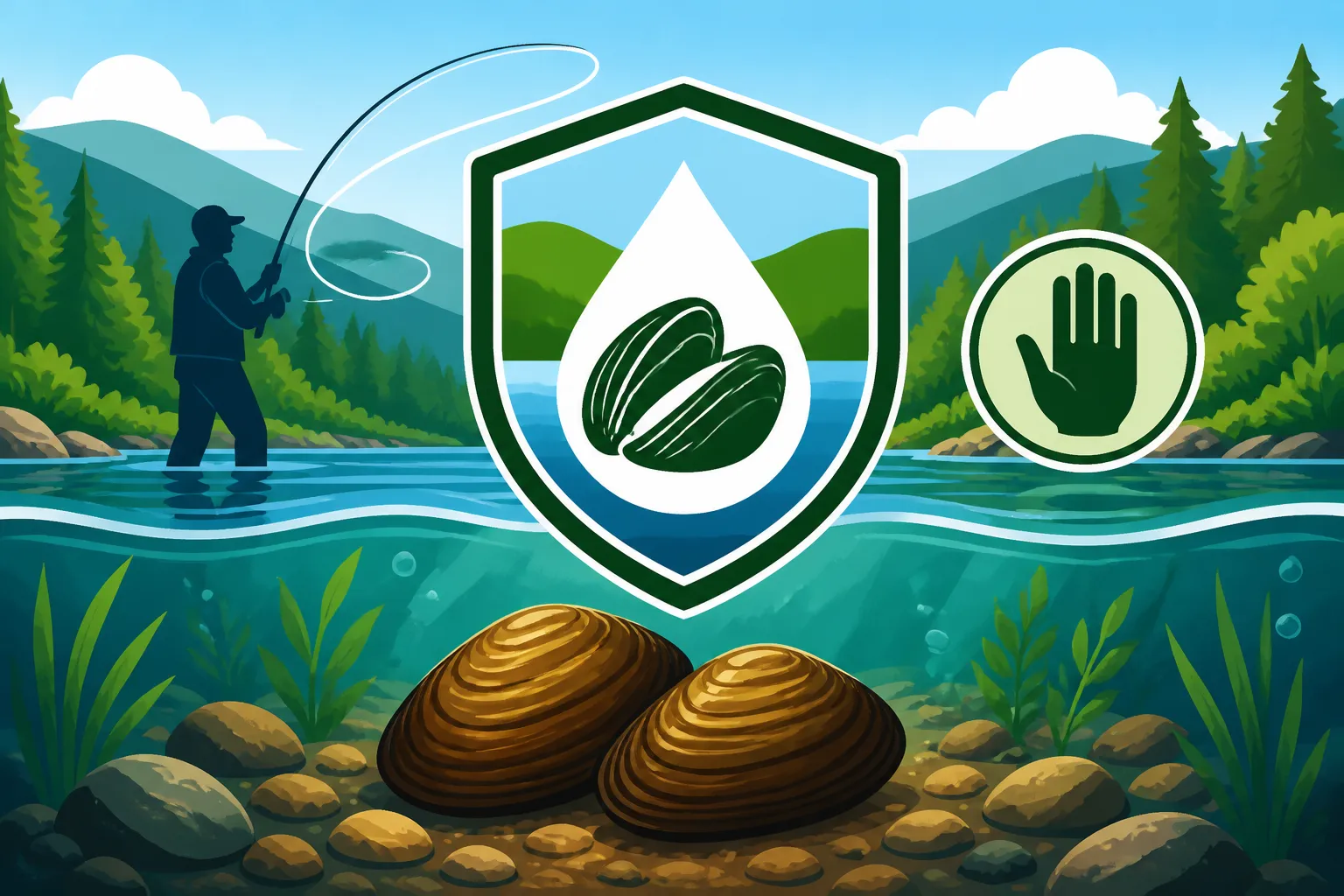
The dwarf wedgemussel ( Alasmidonta heterodon ) is a freshwater bivalve, a type of mussel, and it's quite unassuming in appearance. Typically, it only grows to about an inch and a half or two inches long, with a relatively thin, wedge-shaped shell that's usually dark brown or black. It's not a flashy creature, but don't let its modest size fool you; it's a true survivor and an indicator of pristine conditions. These mussels prefer stable, clean river and stream bottoms, often burrowed into a mix of sand, gravel, and cobble where there's a gentle to moderate current. They're filter feeders, constantly siphoning water to extract tiny bits of organic matter and plankton, which means they're playing a continuous role in keeping our rivers clean.
What makes them even more fascinating is their unique reproductive cycle. Like many freshwater mussels, the dwarf wedgemussel relies on specific host fish species to complete its larval stage. The microscopic larvae, called glochidia, attach harmlessly to the gills or fins of certain fish, hitching a ride and developing for a few weeks before detaching as juvenile mussels. This symbiotic relationship means that the health of the mussel population is inextricably linked to the health of its host fish populations and the overall river ecosystem. It's a delicate balance that highlights just how interconnected everything beneath the surface truly is.
Why is it So Critically Important?
The dwarf wedgemussel holds the unfortunate distinction of being both federally and state endangered. This isn't just a label; it signifies a species on the brink, facing severe threats to its survival. Its critical status in New Hampshire, and across its dwindling range in the northeastern United States, makes protecting every remaining population absolutely vital. This tiny mussel acts as a true "canary in the coal mine" for river health. Because they are filter feeders and stationary, they are extremely sensitive to changes in water quality, pollution, sedimentation, and habitat disruption. If dwarf wedgemussels are struggling, it's often a sign that the entire aquatic ecosystem is in distress.
Their role extends beyond just being an indicator. Mussels, in general, are nature's water purifiers. A single mussel can filter gallons of water every day, removing algae, bacteria, and pollutants. When you have healthy populations of mussels, they contribute significantly to clearer water, which benefits everything from aquatic plants to the fish we love to catch. They also stabilize the riverbed, create microhabitats for other invertebrates, and serve as a food source for certain wildlife. Losing the dwarf wedgemussel wouldn't just be the loss of one species; it would signal a profound degradation of our river systems, impacting fish, other wildlife, and even human recreational activities like swimming and, of course, fishing. It’s a stark reminder that even the smallest creatures have enormous impacts on the bigger picture.
Where You Might Find Protected Dwarf Wedgemussel Waters in New Hampshire
New Hampshire is fortunate to still harbor some of the last remaining populations of dwarf wedgemussels, primarily in its southern and central regions. While specific locations are often kept under wraps to prevent disturbance and poaching, the types of waters they inhabit and the characteristics that make them suitable habitat are well understood. Recognizing these traits can help anglers understand why certain stretches of river might have special protections.
Characteristics of Ideal Wedgemussel Habitat
Dwarf wedgemussels aren't just found anywhere; they have very specific habitat requirements. They thrive in medium to large rivers and streams, particularly those with a stable, well-oxygenated substrate. Think of sections of river where the bottom is a mix of clean sand, fine gravel, and small cobble, rather than heavy mud or bedrock. They need a moderate current – enough to deliver food particles and oxygen, but not so strong that it washes them downstream or causes excessive erosion. River systems like the Connecticut River or parts of the Merrimack River have historically supported populations, and it's within tributaries or specific stretches of these larger systems that you might find critical habitats.
Water quality is paramount for these sensitive creatures. They require clean, unpolluted water with specific pH levels and temperatures that remain within a healthy range, especially throughout the year. Runoff from agriculture, development, and roads can introduce silt, chemicals, and pollutants that are devastating to mussel populations. Furthermore, because their larvae need host fish, the presence of these particular fish species (such as tessellated darters or Johnny darters, among others) is also a key indicator of potential wedgemussel habitat. So, when you're fishing a clear, stable section of a river with a diverse fish population and a clean, sandy-gravelly bottom, you're likely in a place that could be vital for these mussels. It's truly a testament to healthy water.
The "Protected Waters" Designation: What It Means
When a body of water is designated as "protected" due to the presence of dwarf wedgemussels, it means that this area is recognized as critical habitat for an endangered species. This designation comes with significant implications, guided by both federal and state laws, including the Endangered Species Act. For anglers, this isn't just an arbitrary rule; it's a necessary step to prevent further decline of these incredibly vulnerable populations. New Hampshire Fishing Regulations Explained can give you a broader overview of how regulations work, but specific endangered species protections are usually even more stringent.
The primary goal of these designations is habitat preservation and, where possible, restoration. This means activities that could disturb the riverbed, degrade water quality, or harm the mussels or their host fish are either restricted or prohibited entirely. This might include limitations on dredging, certain types of construction, or even certain recreational activities. For anglers, it typically translates to special fishing regulations that go beyond the general statewide rules. These specific rules are designed to minimize disturbance to the river bottom where mussels live, prevent accidental trampling, and ensure that the delicate balance of the ecosystem remains intact. The New Hampshire Fish and Game Department, in conjunction with federal agencies, oversees these protections, and it's always wise to consult their latest freshwater fishing digest or website for the most current information regarding any special regulation waters in New Hampshire.
Fishing in or Near Dwarf Wedgemussel Protected Waters: What Anglers Need to Know
Discovering that your favorite fishing hole might be a protected habitat for a tiny mussel can sometimes feel like a buzzkill, but it doesn't have to be! In fact, it's an opportunity to become an even more informed and responsible angler. The key is to understand and respect the specific regulations put in place, which are always designed with the best intentions for conservation.
Navigating Regulations and Restrictions
The most crucial step for any angler is always to check the current regulations before heading out. For dwarf wedgemussel protected waters, these regulations can be very specific and might differ from general statewide rules. You might find restrictions on certain gear types, for example, to prevent disturbance of the riverbed. Perhaps heavy wading is discouraged in specific areas, or certain baits are prohibited if they could introduce non-native species or chemicals harmful to mussels. In some rare cases, there might even be designated no-fishing zones or catch-and-release only rules implemented specifically to protect critical habitats or host fish populations. New Hampshire Fishing Season Dates and Closures will tell you about general seasons, but specific protected waters often have additional layers of rules.
It’s important to remember that these regulations aren't meant to keep you from enjoying the outdoors. Instead, they're carefully considered measures to ensure that our cherished aquatic ecosystems, and the unique species within them, can survive and even recover. For instance, if you're fishing a stretch of the Merrimack River that has known dwarf wedgemussel populations, you might encounter signs detailing specific guidelines. Always look for these signs, and if in doubt, check the official New Hampshire Fish and Game website or the latest edition of their Freshwater Fishing Digest. Ignorance of the law is never an excuse, and adhering to these rules helps everyone contribute to conservation.
Best Practices for Responsible Angling
Even in waters without explicit dwarf wedgemussel protection, adopting responsible angling practices is just good stewardship. But in or near protected areas, these practices become absolutely critical. First and foremost, try to minimize your impact on the riverbed. This means being mindful of where you wade, avoiding shuffling your feet, and if possible, staying out of the water in very shallow, sandy-gravelly areas where mussels are likely to reside. If you need new wading boots, look for models with rubber soles on Amazon that are less likely to transport invasive species than traditional felt soles.
Always clean your gear – waders, boots, boats, and even tackle – thoroughly before moving between different water bodies. This simple act prevents the spread of invasive species, which can outcompete native mussels or introduce diseases. When practicing catch and release, handle fish gently and release them quickly to ensure their survival, especially if they are a host fish species for the mussels. Avoid leaving any trash or discarded fishing line, as these can harm aquatic life. Think of yourself as a guest in their home, and leave no trace behind. These common-sense approaches, detailed further in guides like New Hampshire Boating Laws for Anglers, make a real difference in protecting sensitive ecosystems for both the mussels and the fish we pursue.
How Anglers Can Contribute to Dwarf Wedgemussel Conservation
As anglers, we spend countless hours on or near the water, making us uniquely positioned to observe, appreciate, and contribute to the health of New Hampshire's aquatic environments. The survival of species like the dwarf wedgemussel often depends on the eyes and actions of everyday citizens who care deeply about the natural world.
Be Informed and Report Sightings
One of the most powerful things an angler can do is simply to become more informed about the species in our local waters. Take some time to learn what a dwarf wedgemussel looks like, its preferred habitat, and why it's endangered. You can find excellent resources, including identification guides and information on endangered species, on the New Hampshire Fish and Game website or through conservation organizations. Even a quick search on Amazon for field guides on freshwater mussels can provide valuable insights.
If you happen to come across what you suspect might be a dwarf wedgemussel (or any unusual or distressed aquatic life), it's incredibly helpful to report your sighting to the New Hampshire Fish and Game Department. It's crucial not to disturb the mussel itself, but a photo, general location details, and a description of the habitat can provide invaluable data to biologists. Don't worry if you're not 100% sure of the identification; it's always better to report and let the experts investigate than to miss a critical piece of information. Every bit of data helps paint a clearer picture of where these populations exist and how they're faring.
Support Conservation Efforts
Beyond direct reporting, there are many ways anglers can support dwarf wedgemussel conservation indirectly. A significant way is through simply purchasing your New Hampshire Fishing License Guide for 2026. The funds generated from license sales directly support the critical work of the New Hampshire Fish and Game Department, which includes habitat restoration projects, water quality monitoring, and endangered species management programs. Without these funds, many conservation initiatives simply wouldn't be possible.
Additionally, consider supporting local watershed associations and conservation groups. These organizations often work on the front lines, engaging in stream cleanups, advocating for cleaner water policies, and educating the public about the importance of aquatic ecosystems. Your time, donations, or even just sharing their message can have a ripple effect. Protecting the dwarf wedgemussel isn't just about saving one species; it's about safeguarding the overall health of New Hampshire's rivers and streams, ensuring vibrant and productive fisheries for all of us to enjoy for many years to come. Every cast, every quiet moment on the water, can be a reminder of our connection to this delicate natural world.
Comparing General River Characteristics and Mussel Presence
To help illustrate the types of environments where dwarf wedgemussels are most likely to thrive (and thus, where protection efforts might be focused), here's a general comparison of river characteristics:
| Characteristic | High Potential for Dwarf Wedgemussel Habitat | Low Potential for Dwarf Wedgemussel Habitat |
|---|---|---|
| Water Flow | Stable, moderate current; consistent water levels. | Rapid, turbulent flows; frequent, drastic fluctuations in water levels. |
| Substrate (Bottom) | Clean sand, gravel, and small cobble; stable, not easily disturbed. | Heavy silt, thick mud, large bedrock, or shifting, unstable gravel. |
| Water Quality | Clean, clear, well-oxygenated; minimal pollution or nutrient runoff. | Turbid, polluted, low oxygen; high levels of agricultural/urban runoff. |
| Vegetation | Presence of native aquatic plants; stable riparian zone. | Excessive invasive aquatic plants; heavily eroded or altered riparian zone. |
| Associated Species | Healthy populations of specific host fish (e.g., darters); diverse aquatic insect life. | Absence or low diversity of host fish; few other sensitive aquatic invertebrates. |
| River Shape | Meandering, with diverse riffles, runs, and pools; stable banks. | Straightened channels; severely eroded banks; uniformity in river structure. |
Disclaimer
This article is for general informational purposes only and does not constitute professional advice. Laws, prices and regulations vary by location and change over time. Consult a qualified professional for guidance on your specific situation.