Northern Pike Waters in New Hampshire
Many anglers across New Hampshire, especially those new to fishing or focusing on species like trout and bass, might be surprised to learn that a formidable predator lurks in some of our waters: the northern pike. It can be a real head-scratcher when you're targeting a subtle brook trout and suddenly hook into something that feels like a freight train, only to pull up a long, toothy creature you weren't expecting. This guide is all about demystifying the northern pike's presence in New Hampshire, helping you understand where they are, how to target them, and what makes them such a unique part of our diverse fisheries.
The Enigma of Northern Pike in New Hampshire
For many years, the mention of northern pike in New Hampshire would raise eyebrows, often associated with whispers of unauthorized introductions or accidental migrations. While not historically native to most of the state's central and southern waters, these powerful freshwater sharks have established populations in specific areas, creating a distinctive angling opportunity that’s quite different from our typical trout or bass pursuits. It's a bit like discovering a new, exciting challenge right in your backyard, offering a thrill that serious anglers often seek.
Understanding Their Presence and History
Northern pike are a true anomaly in many parts of New Hampshire. Unlike the native brook trout or the widely stocked rainbow and brown trout, pike are not part of the traditional ecological fabric of most of our lakes and rivers. Their initial establishment in some waters is largely attributed to unofficial stockings, where individuals released pike into lakes hoping to create a trophy fishery. These unauthorized introductions, while generally discouraged by wildlife agencies due to potential ecological impacts, have undeniably shaped certain fishing landscapes. Over time, these populations have grown, adapted, and spread, turning these lakes into legitimate—though sometimes controversial—pike destinations. It’s a classic case of an introduced species finding a niche and thriving, much to the excitement of some anglers and the concern of others.
Why Pike are a Unique Angling Target
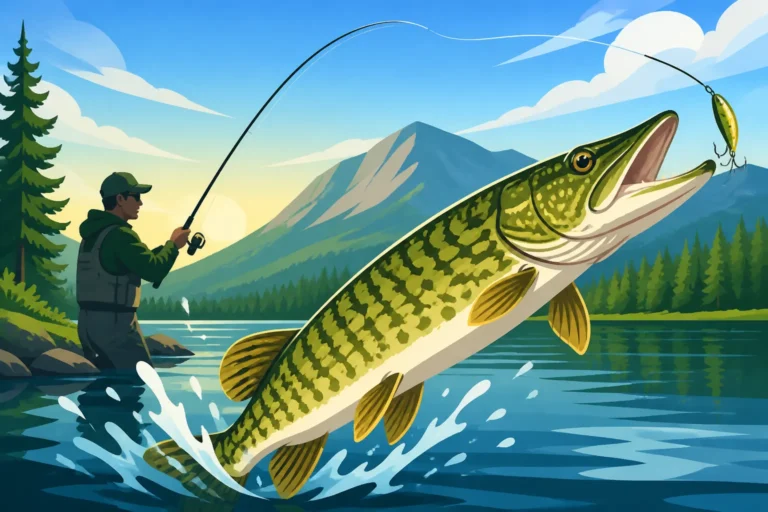
Fishing for northern pike is an experience unlike any other in New Hampshire. They are aggressive, ambush predators known for their explosive strikes and powerful runs. When you hook a pike, especially a larger one, you'll know it immediately. They're not subtle; they hit hard and fight dirty, often making acrobatic leaps or burrowing into weed beds. This intensity makes them an incredibly rewarding target for anglers seeking a real challenge. Furthermore, their sheer size potential – often growing larger than most other freshwater game fish in the state – adds an extra layer of excitement. The possibility of landing a true "gator" of the freshwater world keeps many pike enthusiasts coming back for more, dreaming of that next monster catch.
Prime Northern Pike Waters in New Hampshire
While northern pike aren't ubiquitous across the Granite State, they have certainly made their mark in a handful of key water bodies. Knowing where to focus your efforts is half the battle when targeting these toothy giants. These specific locations have proven to be consistent producers for pike anglers, offering diverse environments from large lakes to river systems.
Major Lakes with Established Pike Populations
One of the most well-known pike strongholds in New Hampshire is the Connecticut River watershed. Pike thrive in the slower, weedier sections of the river and its connected oxbows and backwaters. Water bodies like Lake Moore, located along the Connecticut River, are prime examples where pike have firmly established themselves. These areas offer the perfect combination of shallow, vegetated bays and deeper channels, providing excellent ambush points for pike to hunt unsuspecting prey. You'll find anglers patiently casting large spoons or slow-trolling big shiners, hoping to entice a strike from a lurking leviathan. Another key lake that draws pike attention is the Lower Merrimack River watershed, particularly around the slower sections and impoundments where vegetation and baitfish are abundant. While not as widespread as in other states, these specific lakes and their associated river systems are where you'll have the best chance of encountering a quality pike in New Hampshire.
River Systems and Connected Backwaters
Beyond the big lakes, the sprawling river systems, especially those connected to the Connecticut River, offer excellent opportunities for pike. Think about the extensive network of feeder creeks, marshy coves, and sluggish river bends that are often overlooked by anglers targeting faster-water species. These quieter, often shallower areas with abundant aquatic vegetation are precisely where pike feel most at home. They use the weeds for cover, ambushing baitfish and smaller panfish that venture too close. Kayak anglers, in particular, find these backwater areas fantastic for stealthily exploring pike habitat. When you're out exploring, look for areas with lily pads, submerged weed beds, and fallen timber – these are textbook pike hideouts. The current in these river sections is usually slow, making it easier for pike to conserve energy and launch lightning-fast attacks. You might also find these areas listed as Special Regulation Waters in New Hampshire, so always double-check the latest digest.
Here's a quick overview of some notable New Hampshire pike waters and what makes them attractive:
| Water Body | Primary Type | Key Characteristics | Angling Opportunity |
|---|---|---|---|
| Lake Moore | Impoundment/River | Connected to Connecticut River, abundant weeds | Good for larger pike, diverse baitfish |
| Connecticut River (Lower sections) | River System | Slow current, oxbows, backwaters, diverse habitat | Bank and boat access, consistent pike presence |
| Merrimack River (Lower sections) | River System | Warmer, slower stretches, some impoundments | Emerging pike fishery, often overlooked |
| Certain Floodplain Ponds | Pond | Shallow, weedy, isolated, connected to rivers | Exciting but less consistent, good for smaller pike |
Understanding Northern Pike Habits and Habitat
To successfully target northern pike in New Hampshire, you really need to get inside their heads (or at least understand their basic instincts!). These fish are creatures of habit, heavily influenced by water temperature, available cover, and the presence of their favorite meals. Knowing where and when to find them will dramatically increase your chances of a successful outing.
Seasonal Movements and Preferred Environments
Northern pike are somewhat predictable in their seasonal movements. In the spring, right after ice-out, they're often found in very shallow, vegetated bays and marshy areas where they spawn. This is a time when they can be quite accessible, though often focused on reproduction rather than feeding. As the water warms into summer, pike tend to retreat to slightly deeper water, often holding along the edges of weed lines, submerged timber, or in areas with cooler springs. They remain ambush predators, using structure to hide and dart out at passing prey. During the fall, as water temperatures begin to drop, pike become incredibly active feeders. They move back into shallower, cooler waters, often gorging themselves in preparation for winter. This can be one of the best times of year to catch large pike. Finally, in winter, they remain active under the ice, often caught by Ice Fishing in New Hampshire enthusiasts jigging over weed beds or using tip-ups with large shiners.
Their preferred environment is usually characterized by:
- Abundant Aquatic Vegetation: Think lily pads, cattails, submerged grasses. This provides cover for ambush and holds baitfish.
- Structure: Fallen trees, rock piles, sudden drop-offs, and even old docks can be prime hiding spots.
- Access to Deeper Water: While they love shallow cover, they often have quick access to deeper, cooler water for refuge, especially in warmer months.
- Forage Fish: Where there are plenty of baitfish like yellow perch, suckers, or even smaller panfish, there's a good chance pike will be lurking. Understanding these patterns is crucial for consistent success.
Diet and Feeding Behavior
Northern pike are opportunistic and voracious predators, earning their nickname "water wolves." Their diet primarily consists of other fish, including perch, sunfish, suckers, and even smaller pike. They are not picky and will eat almost anything they can overpower. Beyond fish, they've been known to consume frogs, ducklings, and even small mammals that fall into the water. Their feeding strategy is largely ambush-based. They will patiently wait, camouflaged within weeds or against structure, and then explode with incredible speed to snatch their prey. This "burst" style of hunting means they don't expend a lot of energy cruising; instead, they wait for the meal to come to them. This aggressive feeding behavior is why they respond so well to artificial lures that mimic injured baitfish or provoke a reaction strike. Understanding this aspect of their behavior is key to choosing the right presentation and getting that explosive strike.
Essential Gear and Techniques for Pike Fishing
Alright, so you know where they are and how they behave. Now, let's talk about the fun part: what you need to catch these toothy critters and how to go about it. Pike fishing requires a bit of specialized gear, mainly because of their sharp teeth and powerful fighting style.
Rods, Reels, and Line Choices
When it comes to pike fishing, you'll want to step up your gear a bit from your typical trout setup.
- Rods: A medium-heavy to heavy power rod, typically 6'6" to 7'6" in length, is ideal. This kind of backbone is necessary to cast larger lures and to handle the powerful runs and head shakes of a big pike. A fast action tip will help with casting accuracy and setting the hook through their bony mouths.
- Reels: A sturdy spinning reel in the 3000-4000 series or a baitcasting reel with a good drag system is recommended. You need a reel that can hold enough line and stand up to the abuse of a strong fish.
- Line: Braided line in the 20-50lb test range is a popular choice because of its strength, lack of stretch, and abrasion resistance. Pike often fight in heavy cover, and braided line gives you the power to pull them out.
- Leaders: This is perhaps the most crucial piece of gear. Pike have incredibly sharp teeth that will easily sever monofilament or fluorocarbon line. You absolutely need a steel, titanium, or heavy fluorocarbon leader (60-80lb test) about 12-18 inches long. Without it, you'll be donating a lot of lures to the pike population. You can find ready-made leaders on sites like Amazon or at any good local tackle shop. Using the right leader is not just about saving lures; it's about protecting the fish from ingesting hooks or lures.
Lures and Baits That Entice Pike
Pike are not known for being finicky, but certain presentations are undeniably more effective.
- Spoons: Classic metal spoons, especially those with a wobbling action, are incredibly effective. Colors like silver, gold, five of diamonds, or red and white are perennial favorites. They mimic injured baitfish beautifully.
- Spinnerbaits: With their flashing blades and pulsating skirts, spinnerbaits are excellent for working through weed beds where pike often hide. Chartreuse, white, and black are great starting colors.
- Inline Spinners: Larger inline spinners, similar to those you might use for Trout Fishing in New Hampshire but scaled up, can also be very productive, especially in rivers.
- Jerkbaits and Swimbaits: These lures, designed to imitate baitfish, can be deadly when retrieved with an erratic stop-and-go action. Look for larger sizes, 5 inches and up.
- Soft Plastics: Large swimbaits or grub tails rigged on heavy jig heads can be worked slowly along the bottom or through weed edges.
- Live Bait: If legal in the specific water body (always check New Hampshire Fishing Regulations Explained first), large shiners, suckers, or golden shiners fished under a bobber or on a quick-strike rig are irresistible to pike, especially in colder water. This is often the go-to method for ice fishing.
Effective Pike Fishing Techniques
Pike fishing often involves covering water and targeting specific types of cover.
- Casting and Retrieving: This is the most common method. Cast your chosen lure to suspected pike hideouts – weed edges, submerged logs, rock piles. Experiment with retrieval speeds and actions. Some days they want it fast, other days a slow, steady retrieve with pauses is key.
- Trolling: On larger lakes, trolling large crankbaits, spoons, or even live bait can be an effective way to cover ground and find active fish. Pay attention to contour lines and depth finders to target structure.
- Jigging: During ice fishing season, vertical jigging spoons or large swimbaits can be very effective over known weed beds or drop-offs. Tip-ups with large live bait are also a staple for winter pike.
- Figure-8: A common technique, especially when using jerkbaits or spinnerbaits, is to perform a "figure-8" motion with your rod tip at the boat or shoreline just before lifting your lure out of the water. Pike often follow a lure right to the edge and this last-ditch effort can provoke a strike. Don't be surprised if a monster pike appears out of nowhere!
The Impact and Management of Northern Pike in NH
The presence of northern pike in New Hampshire waters is a topic that often sparks discussion among anglers and wildlife managers. While they offer an exciting sport fishing opportunity, their introduction has also raised questions about their ecological role and how their populations are managed.
Ecological Considerations and Concerns
When a non-native species like the northern pike establishes itself in a new ecosystem, there are always ecological ripples. Pike are apex predators, meaning they sit at the top of the food chain in many of the waters they inhabit. Their voracious appetite can impact native fish populations, particularly smaller species or the young of larger game fish. For example, if pike thrive in a lake that's also home to a struggling population of Brook Trout: New Hampshire's Native Trout, there could be concerns about competition for food or direct predation.
However, the impact isn't always clear-cut. In some waters, pike may help control overpopulated panfish species, leading to a healthier overall fish community. The New Hampshire Fish and Game Department carefully monitors these populations, weighing the benefits of a diverse sport fishery against potential negative impacts on native species. This balance is tricky and requires ongoing research and adaptive management strategies. It's a complex picture, and as anglers, being informed about these dynamics helps us appreciate the broader health of our aquatic environments.
Regulations and Management Strategies
The New Hampshire Fish and Game Department approaches northern pike management with a clear understanding of their introduced status in most waters. Because they are not widely native, and due to concerns about their potential impact on established fisheries, the regulations surrounding pike fishing often differ from those for native species. For instance, in some waters, there might be liberal bag limits or no closed season, essentially encouraging anglers to harvest pike to help manage their numbers. This contrasts sharply with the often restrictive limits and specific New Hampshire Fishing Season Dates and Closures for trout or salmon, designed to protect and enhance those populations.
The department's goal is to contain pike populations to existing strongholds and prevent their spread to new waters where they could pose a greater risk. Anglers play a critical role in this management. If you catch a pike in a water body where it's not typically found, reporting it to Fish and Game can provide valuable data. Adhering strictly to regulations, especially those concerning the release of pike, is paramount. Never transfer live fish from one water body to another; it's illegal and can have devastating ecological consequences. It's all part of being a responsible steward of New Hampshire's diverse aquatic resources.
Responsible Angling: Safety and Conservation
Fishing for northern pike is thrilling, but it comes with responsibilities. Given their sharp teeth and powerful nature, knowing how to handle them safely—for both you and the fish—is crucial. Additionally, practicing good conservation ensures these unique fisheries can be enjoyed by future generations.
Handling Pike Safely and Effectively
Those rows of razor-sharp teeth are no joke. A bite from a pike can cause a nasty injury, so proper handling is paramount.
- Use Tools: Always have a pair of long-nose pliers or a jaw spreader handy. These are essential for removing hooks safely without putting your fingers near their mouth. A sturdy, knotless landing net is also a good idea for securing the fish.
- Gripping the Fish: For smaller pike, you can often grip them firmly behind the head and gill plates, being careful to avoid the gills themselves. For larger fish, a specialized "boga grip" or lip gripper is excellent. If you're going to hold a larger pike for a photo, support its belly with one hand to protect its internal organs and never hold it vertically by the jaw alone.
- Removing Hooks: With the fish secured, use your pliers to remove the hook. If the hook is deeply embedded, it's often better to cut the line and leave the hook in, as attempts to dig it out can cause more harm.
- Minimizing Out-of-Water Time: Like all fish, pike stress quickly when out of water. Get your photos, measure the fish if you wish, and release it as quickly as possible.
- Wearing Gloves: Some anglers wear heavy-duty gloves, especially when targeting larger pike, to protect against their teeth and gill plates. A pair of Kevlar-reinforced gloves can provide an extra layer of protection.
Catch and Release Best Practices
While some waters encourage pike harvest, many anglers choose to practice catch and release, particularly for trophy-sized fish. To ensure the highest survival rate:
- Minimize Fight Time: Use appropriate tackle (stronger rods, heavier line) to bring the fish in relatively quickly, reducing exhaustion.
- Keep Fish in Water: If possible, unhook the fish while it's still in the water, especially if you're not planning on weighing or photographing it.
- Proper Release: Hold the fish gently in the water, facing into a gentle current if available, until it regains its strength and swims away on its own. Don't simply toss it back; make sure it's ready to go.
- Barbless Hooks: Consider using barbless hooks, or crimping down the barbs on your hooks. This makes hook removal much easier and less damaging to the fish.
By being prepared with the right tools and knowing how to handle these formidable fish, you can enjoy the thrill of pike fishing while ensuring the health of the resource. And remember, the excitement of catching a powerful northern pike in New Hampshire is a reward in itself, a testament to the unexpected diversity our waters hold.
Disclaimer
This article is for general informational purposes only and does not constitute professional advice. Laws, prices and regulations vary by location and change over time. Consult a qualified professional for guidance on your specific situation.