Best trout streams open to fly fishing only
It can be incredibly frustrating to spend hours researching fishing spots, only to arrive and find crowded banks or bait-fishing anglers that disrupt the quiet, focused experience fly fishing demands. For many of us, the appeal of fly fishing lies in its meditative quality, the challenge of the cast, and the connection to wild, undisturbed waters. This guide is here to cut through the noise and reveal some of New Hampshire's most pristine streams designated specifically for fly fishing only, offering the serene and challenging angling experience you truly crave.
Understanding New Hampshire's Fly Fishing Only Regulations
New Hampshire is a treasure trove for anglers, but navigating its diverse regulations can sometimes feel like trying to tie a tiny fly with numb fingers. The "Fly Fishing Only" (FFO) designation on certain streams is a special provision designed to protect delicate ecosystems, promote catch-and-release practices, and offer a unique, specialized angling experience. It's not just about what you can't do, but what these rules preserve for all of us who cherish the sport. These specific regulations are put in place by the New Hampshire Fish and Game Department to manage fisheries for quality, rather than just quantity.
Why "Fly Fishing Only" Waters Exist
These special regulations aren't just arbitrary rules to make things harder; they serve a crucial purpose. Firstly, fly fishing, especially with barbless hooks, is inherently more conducive to catch-and-release, which is often a key component of FFO waters. When anglers practice proper catch and release, fish populations, particularly wild trout, have a much higher survival rate. This ensures a healthy, self-sustaining fishery for years to come, preventing overharvesting and supporting robust genetic diversity within the fish populations. Think of it as a long-term investment in the quality of your future fishing trips.
Beyond conservation, these areas are about preserving an experience. Many fly anglers seek solitude, the challenge of presenting a perfect drift, and the quiet rhythm of the river. The absence of traditional bait or lures reduces competition for fish and often creates a more natural feeding environment, making the fish less wary. It cultivates an atmosphere where the focus is less on harvesting a meal and more on the art and sport of angling itself. For those who enjoy a more contemplative and skilled approach, these waters become sanctuaries.
Key Characteristics of These Streams
When you encounter a "Fly Fishing Only" designation in New Hampshire, it usually comes with a specific set of rules that go beyond just the gear. Often, these waters are also "Catch and Release Only," meaning every fish you hook must be carefully released back into the water. This pairing of regulations is extremely effective in sustaining healthy populations of wild trout, such as the beautiful brook trout, New Hampshire's native trout. The combination allows fish to grow larger and older, contributing to a more vibrant and challenging fishery.
These streams are frequently found in areas with naturally reproducing trout populations that might be vulnerable to overfishing if conventional methods were allowed. You'll often find them tucked away in scenic, less accessible parts of the state, further enhancing the sense of wilderness and solitude. Checking the New Hampshire Freshwater Fishing Digest PDF is always your first step before heading out, as regulations can vary significantly from one section of a river to another. While some FFO waters might see periodic stocking to supplement wild populations, the primary goal is typically to foster a wild, robust fishery.
Premier Fly Fishing Only Streams in New Hampshire
New Hampshire boasts a variety of rivers and streams, but a select few stand out as exceptional "Fly Fishing Only" destinations. These spots are renowned for their beauty, the quality of their trout fishing, and the unique challenges they present to the dedicated fly angler. Each river has its own character, demanding different approaches and offering distinct rewards. If you're looking to book a guided trip to one of these spots, platforms like FishingBooker often list local guides specializing in these areas, who can provide invaluable insight and expertise.
The Wild and Scenic Swift River
The Swift River, particularly its upper sections near the Kancamagus Highway in the White Mountains, is a truly iconic destination for New Hampshire fly fishing. While not entirely FFO, specific stretches are often designated "fly fishing only" and "catch and release." This freestone river rushes through stunning mountain scenery, offering a mix of classic riffles, runs, and deep pools that hold wild brook trout and often some impressive brown trout. The water here is typically cold and crystal clear, a testament to its pristine mountain origins.
Access points along the Kancamagus Highway are generally good, but don't expect paved paths to every prime spot. You'll often find yourself doing a bit of scrambling over rocks or wading through brush to reach the best pocket water. The Swift's clear waters demand stealth and precise presentations, especially on sunny days. During spring, after ice-out, and into early summer, hatches of caddis, stoneflies, and various mayflies provide excellent dry fly action. As the summer progresses, terrestrials like ants and grasshoppers become important. For those interested in deeper insights, you can find a dedicated guide on Swift River Trout Fishing.
The Tranquil Ellis River
Flowing out of the scenic Pinkham Notch area, the Ellis River is another gem that offers sections of "Fly Fishing Only" water, contributing to its reputation as a premier trout stream. The Ellis is generally smaller and more intimate than the Swift, often characterized by a series of inviting riffles, gentle runs, and deeper plunge pools, particularly around its many bends. It's a fantastic place to target native brook trout, which thrive in its cold, oxygenated waters. The solitude here can be profound, making it a favorite for anglers seeking a peaceful escape.
The FFO sections of the Ellis are typically managed for wild trout and often have catch-and-release rules in place, underscoring the importance of careful handling. Due to its smaller size, a shorter, lighter fly rod (think a 2-weight or 3-weight) is often ideal for making accurate casts into tight pockets and under overhanging branches. Hatches are similar to other mountain streams, with small mayflies and caddis being dominant. Nymphing can be particularly effective in the deeper pools and runs, especially during periods of lower insect activity. Look up Ellis River Trout Fishing for more in-depth information.
Productive Sections of the Pemigewasset River
The Pemigewasset River, often affectionately called the "Pemi," is a major waterway with diverse fisheries, and certain sections are indeed managed as "Fly Fishing Only" to protect its trout populations. Originating in the White Mountains, the Pemi flows south, offering a variety of habitats from fast-flowing rocky stretches to wider, more meandering sections. While the lower sections are renowned for smallmouth bass, the upper and middle reaches are where you'll find the dedicated trout water. These FFO sections are often specifically managed to enhance conditions for wild brook and brown trout.
These specialized parts of the Pemi are typically identified by signage and are detailed in the official New Hampshire fishing regulations. The river's larger size compared to the Swift or Ellis means you might encounter larger trout, and it can accommodate slightly longer casts. Wading can be challenging in some areas due to varied bottom contours and current strength, so good Wading Techniques for New Hampshire Trout Streams are essential. Depending on the section, you might find a mix of stocked fish and healthy holdover wild trout. Before planning your trip, consult a Pemigewasset River Fishing Guide to pinpoint the exact FFO locations and current conditions.
Essential Techniques and Ethics for FFO Waters
Fishing "Fly Fishing Only" waters isn't just about adhering to regulations; it's about embracing a mindset of conservation and respect for the environment. These are often delicate ecosystems, and our actions as anglers have a direct impact on their health and the quality of the fishing experience for everyone. This means paying attention to your gear choices and practicing impeccable angling ethics.
Gear Considerations for Specific Streams
Choosing the right gear is paramount when tackling New Hampshire's FFO streams. For the smaller, brush-lined waters like the upper Ellis River or tight pockets on the Swift, a shorter, lighter fly rod (7' to 8'6", 2 to 4-weight) will give you better control for delicate presentations and roll casts. A compact reel with a matching floating line and a tapered leader ending in fine tippet (5X or 6X) will ensure your flies drift naturally. For larger rivers or sections with more open casting room, like parts of the Pemigewasset, a 9-foot, 4-weight or 5-weight rod offers more versatility for different fly sizes and casting distances. Don't forget a good quality set of Best Waders for New Hampshire Trout Streams appropriate for the season, as you'll likely be doing a lot of wading.
Regarding flies, variety is key. For spring and early summer, carry a selection of dry flies imitating common mayflies (e.g., Adams, Hendrickson, Sulphur), caddis (Elk Hair Caddis), and stoneflies (Stimulator). As summer heats up, terrestrials like beetle and ant patterns become deadly. Don't overlook nymphs; patterns like Pheasant Tail, Hare's Ear, Prince Nymph, and Squirmy Wormy are perennial producers, especially when fish aren't rising. Streamers like Woolly Buggers can also be effective, especially for enticing larger brown trout. Consult a guide on Fly Patterns for New Hampshire Trout Streams for more local insights.
Practicing Responsible Angling
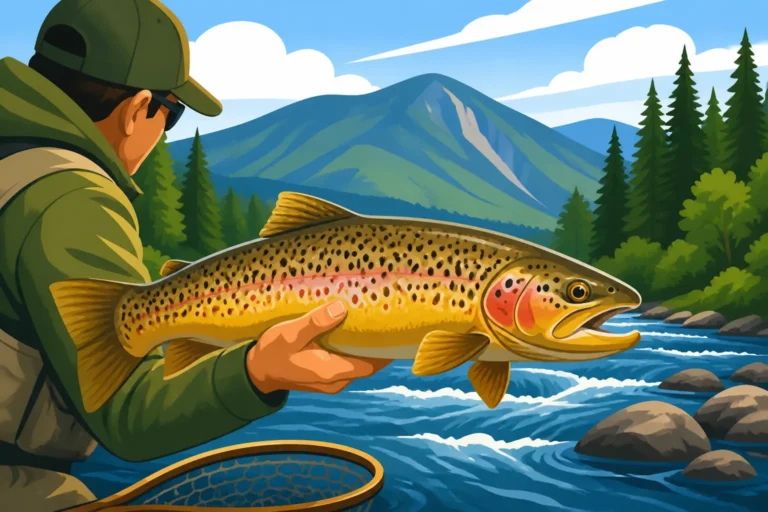
The "Catch and Release Only" aspect of many FFO waters places a heavy responsibility on anglers to minimize harm to the fish. Always use barbless hooks or crimp down the barb on your existing hooks. This makes hook removal quick and easy, greatly reducing stress and injury to the fish. When you land a fish, handle it gently with wet hands, keeping it in the water as much as possible. Avoid squeezing or touching its gills. If you want a photo, do it quickly with the fish held horizontally over the water, then release it promptly.
Beyond fish handling, practice general Leave No Trace principles. Pack out everything you pack in, including any discarded tippet or leader material. Be mindful of stream bank erosion; use established access points where possible. Respect other anglers' space; if someone is already fishing a run, give them ample room or move to a different spot. These small acts of courtesy and environmental stewardship ensure that these special places remain productive and enjoyable for generations to come. Many anglers rely on services like FishingBooker to find guides who exemplify these ethical practices and can teach you the ropes.
Planning Your Fly Fishing Only Adventure
A successful fly fishing trip, especially to designated FFO waters, requires a bit of planning. Knowing when to go, where to park, and what resources are available can make all the difference between a frustrating outing and a truly memorable one. New Hampshire's seasons bring dramatic changes, and local knowledge is your best friend.
Best Times to Visit and Access Points
The prime time for fly fishing in New Hampshire's trout streams generally runs from late April, after the spring runoff subsides and waters begin to warm, through early October. Spring (May-June) often brings prolific hatches and active fish, making for exciting dry fly action. Early summer (June-July) can also be excellent, but as water temperatures rise in late summer, you might need to focus on early mornings, late evenings, or higher elevation streams where temperatures remain cooler. Fall (September-October) offers stunning foliage and aggressive fish preparing for winter, making it another fantastic, albeit often colder, period. Always check the New Hampshire Fishing Season Dates and Closures for specific stream opening and closing dates.
Access points vary by river section. For the Swift River, numerous parking areas and pull-offs along the Kancamagus Highway provide good access. The Ellis River often has parking near bridges or trailheads. For the Pemigewasset, public access points and state land often provide entry, but some sections might require a bit of exploration to find the best spots. Utilize online maps, state park information, and local fly shops for the most up-to-date access details. Sometimes, a short hike away from easily accessible spots can lead you to less pressured water.
Resources for Up-to-Date Information
Staying informed is key to a productive day on the water. The New Hampshire Fish and Game Department website is an invaluable resource, providing official New Hampshire Fishing Regulations Explained, trout stocking reports, and news updates that can impact fishing conditions. Local fly shops, like North Country Angler in North Conway or Merrimack River Outdoor Education and Fishing in Hooksett, are also fantastic sources of real-time information on hatches, water levels, and effective fly patterns. These shops are run by passionate local experts who can point you in the right direction.
Online forums and social media groups dedicated to New Hampshire fly fishing can also provide insights from fellow anglers, though always cross-reference with official sources. Consider hiring a local guide, especially if you're new to the area or these specific FFO streams. A guide can teach you local techniques, reveal prime spots, and provide all the necessary gear, which you can often arrange through services like FishingBooker. They know the water intimately and can dramatically shorten your learning curve, ensuring you make the most of your limited time on these special streams.
Here's a quick reference table for some of New Hampshire's premier FFO-friendly trout streams:
| Stream Name (Key FFO Sections) | Primary Trout Species | Typical Rod Weight | Key Features | Best Seasons | Notes |
|---|---|---|---|---|---|
| Swift River (Upper Kancamagus) | Brook Trout, Brown Trout | 3-5 weight | Freestone, clear water, pocket water, scenic | Spring, Fall | Requires stealth, good wading, check specific FFO zones. |
| Ellis River (Pinkham Notch) | Brook Trout (predominantly) | 2-4 weight | Smaller, intimate, riffles, runs, plunge pools | Spring, Summer | Excellent for native brookies, often C&R, tight casting. |
| Pemigewasset River (Upper/Mid) | Brook Trout, Brown Trout | 4-6 weight | Varied habitat, larger water, stronger currents | Spring, Fall | Check regulations carefully for specific FFO/C&R sections. |
| Ammonoosuc River (Various) | Brook Trout, Brown Trout, Rainbow Trout | 3-5 weight | Mixed wild/stocked, good hatches | Spring, Fall | FFO sections exist, strong currents, diverse structure. |
| Connecticut River (Trophy Trout) | Brown Trout, Rainbow Trout, Brook Trout | 4-6 weight | Larger river, deep pools, good for big trout | Spring, Fall | Specific FFO/C&R sections, often trophy-managed. |
Disclaimer
Please remember that fishing regulations in New Hampshire can change. It is always your responsibility to consult the most current New Hampshire Fish and Game Department rules and regulations before heading out on the water. This guide provides general information and recommendations, but local conditions and specific regulations for particular water bodies can vary. Stay safe, respect the environment, and enjoy your time on the water.