Best ice fishing access on Winnisquam Lake
For many of us who love the thrill of ice fishing, especially on a fantastic body of water like Winnisquam Lake, the biggest hurdle isn't the cold or even finding the fish, but simply locating a safe and legal spot to actually get onto the ice. It's frustrating to drive all that way only to be met with "No Trespassing" signs or discover that what looked like good access in summer is completely impassable in winter. This comprehensive guide is here to unravel the mystery of the best public ice fishing access points on Winnisquam Lake, ensuring your next winter adventure starts smoothly and safely.
Understanding Winnisquam Lake's Ice Fishing Appeal
Winnisquam Lake is a true jewel in New Hampshire's Lakes Region, renowned for its diverse fishery and picturesque winter scenery. For ice anglers, it offers a fantastic opportunity to target a variety of species, making it a popular destination once the ice truly locks up. However, its popularity also means that knowing the prime access points is crucial, especially on those bustling winter weekends.
What Makes Winnisquam a Great Ice Fishing Destination
Beyond its stunning beauty, Winnisquam boasts a robust ecosystem that supports a healthy population of sought-after game fish. Anglers frequently pull out decent-sized lake trout, landlocked salmon, and an abundance of yellow perch and white perch. The lake's varied structure, with its deep basins, rocky points, and shallow coves, provides ideal habitat for different species, catering to various fishing preferences. This diverse environment means you can often target multiple species in a single outing, adding to the excitement. The sheer size of Winnisquam—over 4,000 acres—also means there's plenty of room to spread out, even on busy days, though specific hotspots can get crowded.
Typical Challenges with Winter Lake Access
Unlike summer, where boat launches are well-maintained and parking is generally clearer, winter access can be a whole different ballgame. Plowed snow can block ramps, parking lots might not be regularly cleared, and what appears to be a good spot on a map might lead to private property with no public entry. Safety is also a huge concern; you need a stable area to walk on and off the ice without encountering thin ice or open water near shore. Many residential areas around the lake are private, making it difficult for the casual angler to just find a convenient spot. It's essential to respect private property and only use designated public access points to avoid issues and ensure a positive experience for everyone.
Key Public Access Points for Ice Anglers
When it comes to ice fishing on Winnisquam Lake, your options for public access are primarily centered around a few reliable locations. These spots are known to the local angling community and are generally the safest and most convenient choices. Always remember to check local conditions before heading out, especially regarding ice thickness. For a general overview of safety, you might want to review what the state recommends for [.
New Hampshire Fish and Game Public Boat Launch
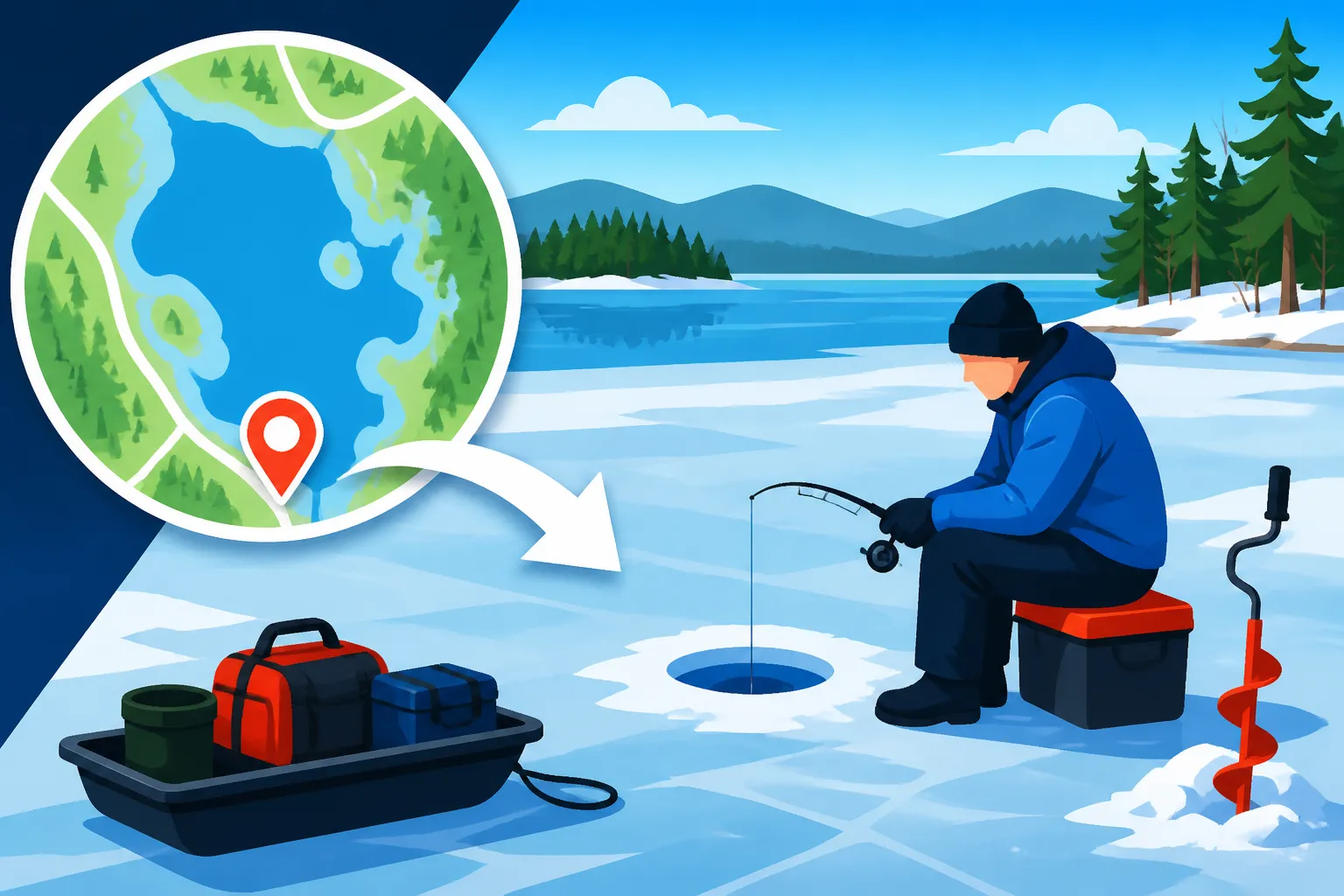
Without a doubt, the most reliable and popular public access point for ice fishing on Winnisquam Lake is the New Hampshire Fish and Game Department's public boat launch. This launch is situated on the western side of the lake, directly off Route 3 in the town of Tilton. It's specifically designed for boat access, but in winter, it transforms into an excellent walk-on ice fishing entry point.
The main advantage of this location is the plowed parking lot. While it's not always perfectly clear after a heavy snowfall, the state generally maintains it well enough for vehicles to park. From the parking area, it's a relatively short and direct walk to the ice. The slope to the water is gentle, making it easier to haul your gear, like ice shanties and augers, onto the frozen surface. This access point provides entry to a fairly open section of the lake, offering good opportunities for targeting various species. You'll often see groups of ice anglers fanned out from here, seeking out the lake trout and salmon in deeper waters, or setting up closer to shore for perch and pickerel. Given its consistent maintenance, this is often the first choice for many anglers, and you'll likely see a small community forming here on good fishing days.
Endicott Rock Park and Opechee Park Area
While technically on Lake Opechee, which is connected to Winnisquam via the Winnipesaukee River, the area around Endicott Rock Park and Opechee Park in Laconia can sometimes offer ancillary access or serve as a base for exploring the interconnected waters. However, direct ice fishing access onto Winnisquam from here is less straightforward than the dedicated F&G launch. Lake Opechee itself provides good ice fishing for perch, pickerel, and bass, and the connection to Winnisquam means fish do move between the two.
Parking at Endicott Rock Park can be limited, especially if snow isn't properly cleared. Opechee Park also has a public boat launch, but again, winter maintenance for ice fishing purposes might not be as consistent as the main Winnisquam launch. If you choose this area, you'll likely be targeting Lake Opechee primarily, or undertaking a longer trek across the channel to reach Winnisquam proper. Always exercise extreme caution around channels and river connections, as currents can cause variable ice thickness. It's best to consider this more of a Lake Opechee access with potential for extension rather than a primary Winnisquam ice fishing access. For those keen on targeting different species, you might find specific details about [.
Other Potential Roadside Access Points and Considerations
Beyond the main public boat launch, finding other truly "public" and reliably safe ice fishing access points on Winnisquam can be a bit hit or miss. Some anglers find success with roadside pull-offs or small informal paths, particularly in areas with less residential development. However, these often come with significant caveats.
- Parking: Roadside parking might not be permitted or safe, especially on busy routes like parts of Route 3 or Route 106. You risk ticketing, towing, or creating a traffic hazard. Always check signage and ensure your vehicle is completely off the road.
- Safety: Unofficial access points might have steeper banks, slippery conditions, or hidden hazards under the snow. There's no guarantee that the immediate shoreline ice is stable. Always scout the area carefully before venturing out.
- Private Property: Many appealing-looking spots are on private land. Respect "No Trespassing" signs without exception. Even if there's no sign, assume private property unless explicitly marked as public. Knocking on doors and asking for permission is an option, but not guaranteed.
- Town Beaches: Some town beaches, like those in Tilton or Laconia along Winnisquam, might technically offer access. However, their primary purpose is summer recreation, and winter maintenance for ice fishing access can be minimal or non-existent. Snow can pile up, and designated parking might be far from the actual ice edge. Always verify local town ordinances regarding winter access and parking before planning a trip to a beach.
For those adventurous enough to seek out less-known spots, consider using satellite maps to identify potential public land or areas with generous roadside shoulders. However, always prioritize safety and legality. If you're looking for a guided trip that might take you to some prime spots, even lesser-known ones, considering booking through platforms like FishingBooker to tap into local expertise.
Here's a quick comparison of the primary public access points:
| Access Point | Location | Type of Access | Parking Availability | Proximity to Known Fishing Spots | Notes |
|---|---|---|---|---|---|
| NH Fish and Game Public Boat Launch | Tilton (off Route 3) | Dedicated Boat Launch | Good, usually plowed | Open water, deep basins for trout/salmon, some shallower coves nearby | Most reliable, well-maintained, popular. Best for gear transport. |
| Endicott Rock Park/Opechee Park Boat Launch | Laconia (Lake Opechee) | Boat Launch | Limited, variable plowing | Primarily Lake Opechee; potential for channel access to Winnisquam | Good for Opechee, caution needed for Winnisquam channel. Check local ice conditions. |
| Roadside Pull-offs (Informal) | Various points around lake | Walk-on | Highly variable, limited | Depends on location, often near smaller coves or points | Use with extreme caution. Verify legality, safety, and ice stability. Often near private property. |
| Town Beaches (e.g., Tilton, Laconia) | Various points around lake | Walk-on | Variable, often not plowed | Shoreline access, usually shallower water | Designed for summer. Check town rules for winter access and parking. Often not ideal for heavy gear. |
Essential Safety and Regulatory Considerations
Ice fishing, while incredibly rewarding, demands a vigilant approach to safety and a thorough understanding of local regulations. Winnisquam Lake is no exception, and adhering to these guidelines is paramount for a successful and risk-free outing.
Understanding Ice Thickness and Conditions
The single most critical safety factor in ice fishing is ice thickness. There's no trophy fish worth risking your life over. The New Hampshire Fish and Game Department strongly recommends at least 4 inches of clear, solid ice for safe foot travel, and significantly more for larger groups or snow machines. Anything less is highly dangerous. Ice thickness can vary drastically across a lake, even on the same body of water, due to currents, springs, underwater structure, and snowfall patterns.
Always check ice conditions as soon as you step onto the ice, and regularly as you move around. Use an ice chisel or auger to test ahead of you. Be especially wary near inlets, outlets, bridges, and areas with flowing water, as these can weaken ice considerably. Snow cover can also insulate ice, slowing its growth, or even create a "slush sandwich" with layers of water between ice and snow. Don't rely solely on what others are doing; always verify the conditions for yourself. A good way to stay informed is to check online forums or local tackle shops for the most up-to-date ice reports before you head out, and if you're ever in doubt, stay off the ice. For more specific details on what constitutes safe ice, take a look at our guide on [.
New Hampshire Fishing Regulations for Winnisquam Lake
Beyond general ice safety, you must be aware of and comply with all New Hampshire fishing regulations. These are designed to protect fish populations and ensure fair sport for all. For Winnisquam Lake, specific rules apply regarding species, limits, and gear.
- Fishing License: Every angler aged 16 and older needs a valid New Hampshire fishing license. You can easily purchase one online or from various vendors across the state. If you’re a New Hampshire resident, you’ll find that a [. Non-residents also have options, including short-term permits if you're just visiting for a quick trip, like the [.
- Species-Specific Rules: Winnisquam is home to lake trout, landlocked salmon, bass, perch, and pickerel, among others. Each species has its own bag and possession limits, as well as potential length limits or seasonal restrictions. For example, there might be specific open seasons or daily limits for lake trout, which you can find in the official New Hampshire Freshwater Fishing Digest. You can find detailed regulations for different species in our comprehensive guide to [.
- Tip-Up and Line Limits: New Hampshire regulations specify the maximum number of lines or tip-ups you can use while ice fishing. Typically, anglers are allowed a certain number of lines per person. Be sure to know this number to avoid fines.
- Shanties: If you're bringing an ice shanty, New Hampshire has specific rules regarding their registration, marking, and removal at the end of the ice fishing season. Generally, shanties left overnight must be clearly marked with the owner's name and address. All shanties must be removed once the ice becomes unsafe, usually by a specific date, to prevent them from becoming hazards in the lake. You can learn more about these specifics in our article about [.
It's highly recommended to carry a current copy of the New Hampshire Freshwater Fishing Digest (or have it accessible on your phone) every time you go fishing. Ignorance of the law is not an excuse for violations.
Optimizing Your Winnisquam Ice Fishing Trip
Once you've navigated the access and safety hurdles, it's time to focus on making your ice fishing trip on Winnisquam truly memorable. Knowing what to expect and having the right gear can significantly enhance your chances of success and enjoyment.
Targeted Species and Best Spots
Winnisquam is a fantastic multi-species lake, meaning you have options depending on what you're hoping to catch.
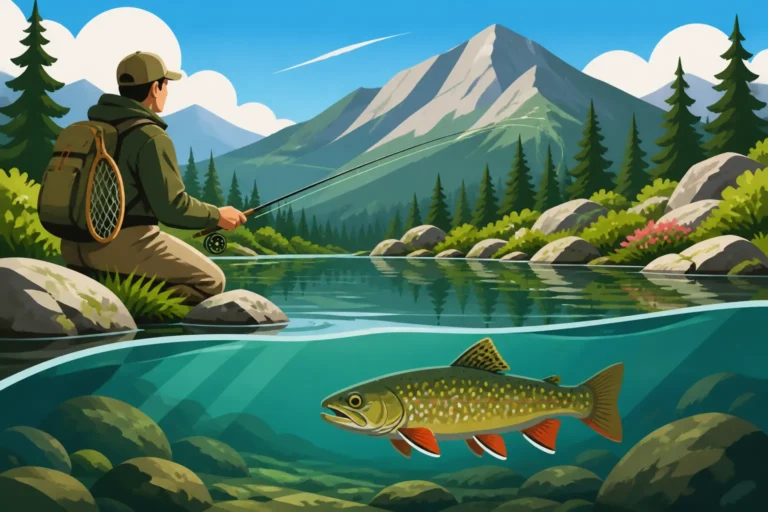
- Lake Trout and Landlocked Salmon: These cold-water predators often suspend in deeper water or cruise along drop-offs. From the NH Fish and Game boat launch, you can venture out towards the deeper sections of the lake. Focus on areas with depths ranging from 30 to 80 feet. Electronic fish finders are invaluable for locating these fish and the bait they're pursuing. Jigging with heavy spoons or fishing live smelt on tip-ups are popular and effective methods. The period right after ice-in and late ice are often prime times for these species. You can read more about specific techniques for [.
- Yellow Perch and White Perch: These are abundant in Winnisquam and provide fantastic action, especially for beginners or those seeking a consistent bite. They tend to congregate in schools in shallower to mid-depth areas (15-30 feet), often near structure like humps, points, or weed edges. Small jigs tipped with bait (like worms or grubs) or small spoons are highly effective. If you find one perch, there are likely many more!
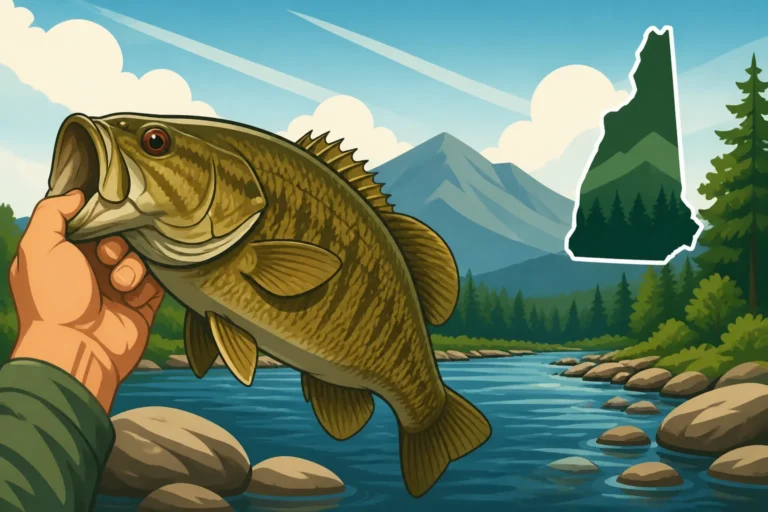
- Largemouth and Smallmouth Bass: While less active under the ice, bass can still be caught, particularly in transition zones between deep and shallow water, or near submerged cover. Look for them in coves or along shoreline breaks in 10-25 feet of water. Larger shiners on tip-ups can entice them.
- Chain Pickerel: These aggressive predators are often found in weedy areas or along the edges of shallow flats. They're fun to catch and will readily hit larger shiners or brightly colored spoons.
Experiment with different depths and locations until you find a pattern. Don't be afraid to move if you're not getting bites.
Essential Gear for Winnisquam Ice Fishing
Having the right gear makes all the difference, both in terms of comfort and fishing success.
- Warm Clothing: This is non-negotiable. Layers, waterproof outer shells, insulated boots, hats, and gloves are essential. New Hampshire winters are no joke!
- Ice Auger: A good auger (manual or powered) is crucial for drilling holes. Consider the type of ice you'll encounter and how many holes you plan to drill. You can explore the different types and what might be best in our article on [.
- Rods and Tip-Ups: Bring a selection of ice fishing rods for jigging, and several tip-ups for passive fishing with bait. This allows you to cover more water and target different species simultaneously.
- Tackle: Pack a variety of jigs (small for perch, heavier for lake trout), spoons, and hooks. Don't forget bait like shiners, worms, or grubs.
- Sled or Portable Shanty: A sled is invaluable for hauling your gear across the ice. A portable ice shanty provides shelter from the wind and cold, making your experience far more comfortable, especially on longer days. Some of the best options for shelter are detailed in our guide to [.
- Safety Gear: Always carry ice picks (worn around your neck), a throw rope, and know how to use them. A first-aid kit is also a wise addition. If you're going out on foot, especially in early or late ice, you may even consider a life jacket or survival suit, as covered in [.
- Navigation: A GPS or a reliable map on your phone can help you navigate the lake, mark good spots, and ensure you find your way back to your access point, especially on foggy or snowy days.
Local Insights and Best Practices
Talking to local anglers is one of the best ways to gain valuable insights. Stop by a local bait shop in Laconia or Tilton; they often have the most up-to-date information on ice conditions, recent catches, and specific hotspots. They might even share tips on what baits or lures are currently working best.
Consider starting your day early, especially on weekends, to secure a good parking spot and avoid the busiest times on the ice. Also, always practice responsible angling. Pack out everything you pack in, including any discarded fishing line or bait containers. If you're targeting specific species, ensure you know the [. Lastly, if you're interested in connecting with a guide for an unparalleled experience and localized knowledge of Winnisquam's ice fishing, using a service like FishingBooker can help you find experts who can take you directly to the action and provide all the necessary gear.
Disclaimer
Please remember that ice conditions can change rapidly and unexpectedly. Always prioritize your safety and check ice thickness yourself. The information provided in this guide is for informational purposes only and should not replace your own judgment, local ice reports, or official regulations from the New Hampshire Fish and Game Department. Fish and Game does not monitor ice conditions, and it is solely the responsibility of the individual to assess ice safety.