Best kayak fishing on Squam Lake
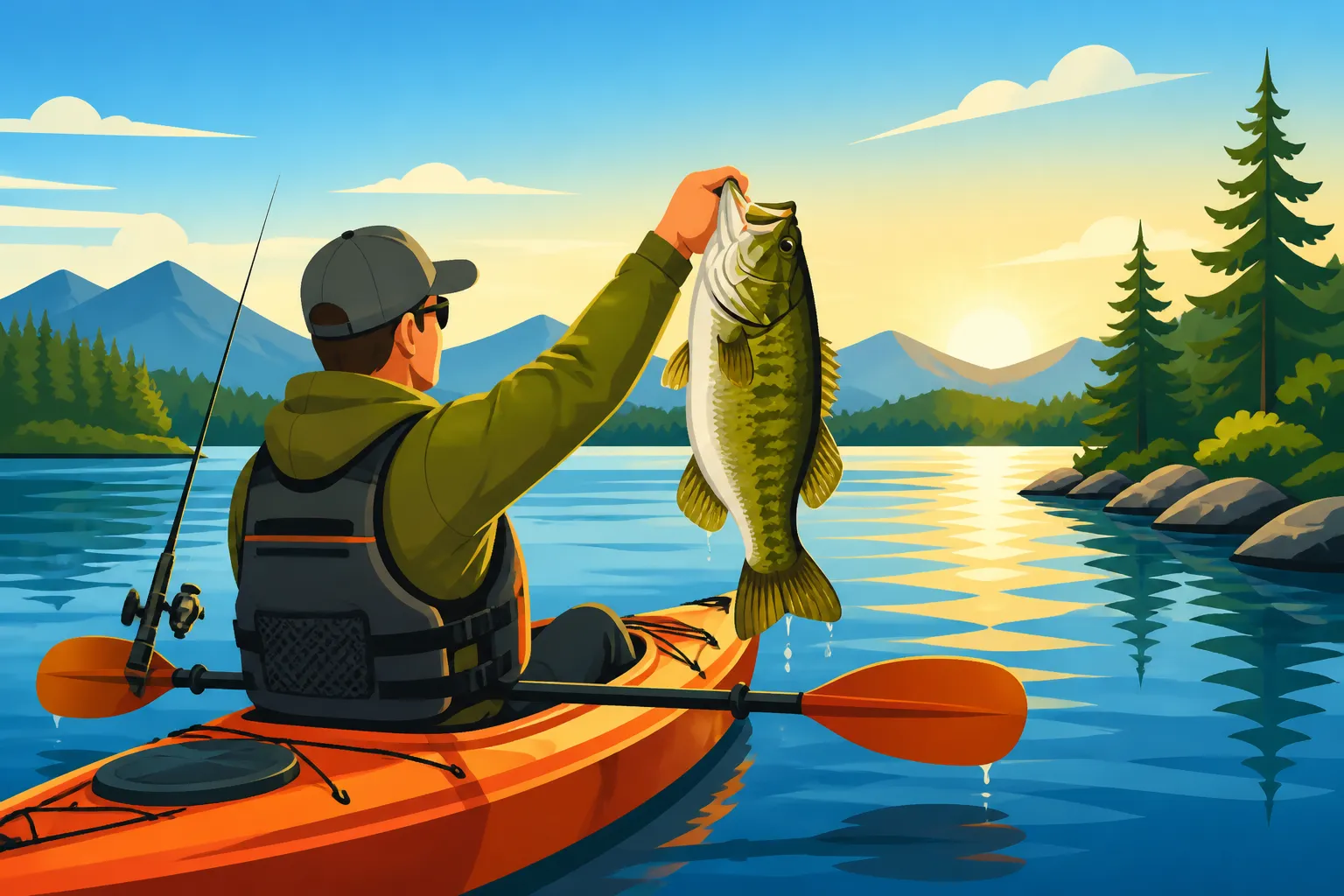
There’s nothing quite like the serenity of paddling across the glassy waters of Squam Lake at dawn, the mist rising, and the only sound being your paddle dipping into the water. But for many kayak anglers, the sheer size and diverse depths of a large lake like Squam can feel overwhelming, making it tough to know where to start looking for fish without the roar of a big motor. This guide is all about demystifying kayak fishing on Squam Lake, helping you discover its hidden gems and offering practical advice to make your paddling and angling experience truly unforgettable.
Why Squam Lake is a Kayak Angler's Paradise
Squam Lake, often called "New Hampshire's hidden gem," offers a unique and incredibly rewarding experience for kayak anglers. Unlike some of the state's more bustling lakes, Squam retains a wild, unspoiled character, making it perfect for those who seek tranquility alongside their fishing adventure. Its intricate shoreline, numerous islands, and varying depths create a diverse habitat that supports a wide array of fish species, all accessible from the quiet stealth of a kayak.
Unique Access and Quiet Zones
One of the biggest advantages of fishing Squam Lake by kayak is the ability to access areas that larger, motorized boats simply can't reach. Think shallow coves choked with lily pads, narrow channels between islands, or tight rocky pockets along the shoreline. These areas, often overlooked by conventional anglers, can be absolute goldmines for bass and panfish. The quiet nature of a kayak also means you're less likely to spook fish, allowing for closer approaches and more natural presentations of your baits or flies. Squam also has specific "no-wake" zones and even some areas with motor restrictions, which inherently favor non-motorized crafts, enhancing the peacefulness of your fishing trip. This is a huge bonus for those of us who prefer the gentle paddle to the high-speed run.
Diverse Fishery for Kayak Anglers
Squam Lake is renowned for its exceptional smallmouth bass fishery, but it's far from a one-trick pony. You'll find healthy populations of largemouth bass, especially in the shallower, weedier bays. But the deep, clear waters also harbor impressive cold-water species like landlocked salmon and lake trout. For those who enjoy a more relaxed day, plentiful yellow perch, white perch, and various sunfish species offer consistent action, perfect for younger anglers or anyone looking to fill a stringer. This incredible diversity means that no matter your preferred target or fishing style, Squam Lake has something to offer, and a kayak puts you right in the sweet spot for many of these opportunities. If you're wondering about the overall rules for various species, a good place to start is the comprehensive guide on New Hampshire Fishing Regulations Explained.
Prime Kayak Fishing Spots on Squam Lake
Navigating Squam Lake's roughly 6,791 acres can seem daunting from a kayak, but with a little local knowledge, you can pinpoint prime fishing spots relatively easily. The key is to understand the habitat preferences of your target species and leverage the kayak's ability to get into those specific zones.
Shallow Coves and Weed Beds for Bass
For largemouth bass, and even some eager smallmouth, the shallower, weed-rich coves and protected bays are where you want to focus your efforts. Areas like Squam Lake's numerous back bays or the fringes of large islands often have extensive lily pad fields, submerged grass, and fallen timber. These provide excellent ambush points for bass.
- Try these spots: Look for areas on a map where the contours show gradual slopes into shallow water, especially those with some protection from prevailing winds. The coves around Church Island, Moon Island, and the shallow areas near the mouths of tributary streams can be highly productive.
- Techniques: Work soft plastics, weedless jigs, or topwater frogs over and through the vegetation. The quiet approach of a kayak allows you to methodically pick apart these areas, casting precisely to pockets in the weeds or along the edges of fallen logs. You might find that some of the specific tactics outlined in Best Bass Fishing Techniques for Squam Lake are particularly effective from a kayak.
Rocky Points and Drop-offs for Smallmouth
Squam Lake is famous for its smallmouth bass, and these bronze beauties love rocky structures, ledges, and abrupt drop-offs. From a kayak, you can hug these shorelines, quietly pitching lures to structure that bigger boats might blow past.
- Try these spots: Focus on prominent points that extend into deeper water, especially those with scattered boulders or a sharp depth transition. The numerous islands throughout Squam often have excellent rocky shorelines and points. The area around Rockywold and those islands near the "Graveyard" are well-known smallmouth havens.
- Techniques: Jigs, drop shots, and small crankbaits that mimic baitfish or crayfish are highly effective here. Paddle along quietly, using your fish finder (if you have one) to identify structure and baitfish schools. Cast parallel to the shoreline or fan-cast to cover different depths around points. Remember that stealth is your best friend when targeting wary smallmouth. To learn more about targeting these fish, check out our guide on How to Catch Smallmouth Bass in New Hampshire Lakes.
Deep Water for Landlocked Salmon and Lake Trout
While often associated with larger boats that can troll long distances, kayak anglers can absolutely target Squam's landlocked salmon and lake trout. It requires a bit more effort and specialized gear, but the reward of hooking into one of these powerful fish from a kayak is unparalleled.
- Try these spots: Focus on the deepest basins of Squam Lake, particularly during the cooler months of spring and fall, or early mornings and late evenings in summer. Look for submerged humps, deepwater points, or areas where main lake channels narrow. The large, open sections of Squam can hold these fish.
- Techniques: Trolling with lead core line or a small downrigger on your kayak can be effective, allowing you to present spoons or stickbaits at specific depths. You can also vertical jig over deep structure if you find concentrations of fish or bait. The quiet nature of a kayak can sometimes be an advantage, as these fish can be sensitive to boat noise. Our guide on How to Catch Landlocked Salmon in New Hampshire offers valuable insights that can be adapted for kayak fishing.
Essential Kayak Fishing Gear and Techniques for Squam
To maximize your success and enjoyment while kayak fishing on Squam Lake, having the right gear and understanding a few key techniques makes all the difference. It's not just about the kayak itself, but how you equip it and how you approach your fishing.
Kayak and Accessory Recommendations
Choosing the right kayak is foundational. For Squam Lake, especially given its size and potential for choppy conditions on windy days, a stable sit-on-top fishing kayak is often preferred over a sit-in. Look for models with good tracking, ample storage, and a comfortable seat for those long days on the water. Brands like Hobie, Old Town, and Native Watercraft offer excellent fishing-specific kayaks with features like pedal drives (for hands-free propulsion, a huge advantage for fishing), rod holders, and mounting options for electronics.
- Paddle vs. Pedal: While traditional paddling kayaks are great for exercise and simplicity, a pedal-drive kayak can be a game-changer on a lake like Squam. It allows you to maintain position in wind or current, troll effectively, and fight fish without juggling a paddle.
- Safety First: Always wear a PFD (Personal Flotation Device), even if you're an experienced swimmer. Squam Lake's waters can get cold, and conditions can change quickly. A whistle, a marine radio or fully charged cell phone in a dry bag, and a signaling device are also crucial. You can find out more about what's required in Life Jacket Requirements for New Hampshire Boaters.
- Electronics: A portable fish finder (like those from Lowrance or Humminbird) can vastly improve your success by showing you depth, structure, and fish arches. A good GPS will help you mark productive spots and navigate the lake's many islands.
- Anchor System: A small anchor system, like a drag chain or a compact folding anchor, is invaluable for holding your position over a productive spot, especially in windy conditions. An anchor trolley system makes deploying and retrieving it much easier from the seated position in a kayak.
| Species Targeted | Preferred Habitat | Key Lures/Baits | Kayak-Specific Tip |
|---|---|---|---|
| Smallmouth Bass | Rocky points, ledges, deep transitions | Jigs, drop shots, crankbaits, tubes | Stealthily hug rocky shorelines, cast precisely. |
| Largemouth Bass | Shallow coves, lily pads, submerged weeds | Soft plastics (weedless), frogs, spinnerbaits | Work through dense cover quietly, target pockets. |
| Landlocked Salmon | Open water, deep basins (seasonal) | Spoons, stickbaits, live smelt (trolled) | Troll with lead core or small downrigger; use pedal drive. |
| Lake Trout | Deep basins, humps, cold water | Spoons, jigging spoons, tubes (vertically) | Target deep structure with fish finder; vertical jig. |
| Perch / Panfish | Near docks, weed edges, submerged brush | Small jigs, worms, tiny spoons | Great for families or relaxed fishing near shore. |
Tackle and Lure Choices for Squam Species
Your tackle selection will largely depend on what you're targeting.
- Bass: For smallmouth, bring a medium-light to medium action spinning rod with 8-10 lb fluorocarbon or braided line. Jigs (football, hair, tube), drop shot rigs, Ned rigs, and smaller crankbaits are staples. For largemouth in the weeds, a medium-heavy rod with 15-20 lb braided line is excellent for pitching frogs, punching through mats with heavy jigs, or working weedless soft plastics.
- Salmon/Lake Trout: If you're going for these cold-water species, you'll need a stronger setup, perhaps a medium-heavy rod with a baitcasting reel spooled with lead core line or heavy braid for downrigger use. Spoons (like Suttons or Mooselook wobblers) and stickbaits are classic choices for trolling. For vertical jigging, heavy jigging spoons or large tube jigs can be effective.
- Panfish: An ultralight spinning rod with 4-6 lb test line, small jigs, tiny inline spinners, or a simple bobber and worm setup is perfect for yellow perch, white perch, and sunfish. These are great for keeping kids engaged!
Navigational and Safety Tips
Squam Lake is generally safe, but its size and unpredictable weather demand respect.
- Weather Watch: Always check the weather forecast before heading out. High winds can quickly turn calm waters into choppy conditions that are challenging for kayaks. If thunderstorms are predicted, stay off the water.
- Buoys and Markers: Pay attention to navigation buoys and markers. While many areas are deep, there are also numerous rocks and shoals, especially near islands. A detailed map or a good GPS system on your fish finder will help immensely.
- Visibility: Especially if you're out at dawn or dusk, or in foggy conditions, ensure you have a bright flag or light on your kayak to make yourself visible to other boaters.
- Emergency Contact: Let someone know your float plan – where you're launching, your intended fishing area, and when you expect to return. This is critical for safety on any large body of water.
- Consider a Guide: If you're new to Squam Lake, hiring a local guide, perhaps even through platforms like FishingBooker, for your first outing can be incredibly valuable. They can quickly put you on fish, teach you the ropes, and show you prime locations, making your subsequent solo trips much more productive.
Planning Your Squam Lake Kayak Fishing Trip
A well-planned trip enhances your enjoyment and chances of success. Squam Lake offers several excellent resources, but it's important to understand the local nuances.
Public Access Points and Launch Sites
Squam Lake has several public access points that are suitable for kayak launching. These often include boat ramps or designated access areas where you can easily unload your kayak.
- Deepwater Landing: Located in Holderness, this is a popular state-managed boat launch with ample parking. It provides easy access to the main lake. While it's a ramp for larger boats, kayaks can launch from the sides without issue.
- Sandwich Bay Public Beach: This spot offers calmer waters for launching, especially useful if you're looking to explore the eastern side of the lake.
- Smaller, Undeveloped Accesses: With a little exploration, you might find smaller, less-used spots that are perfect for a stealthy kayak launch. However, always respect private property and access easements.
- Consider a Short-Term Rental: If you're vacationing, many waterfront rentals offer private dock access, which can be an ideal base for your kayak fishing adventures.
Before heading out, always verify current access conditions and parking availability. For more general advice on getting started with paddlecraft fishing, you might also want to consult guides like Best Kayak Fishing Spots in New Hampshire.
Understanding Squam Lake Regulations
New Hampshire has specific regulations for fishing and boating on Squam Lake, and it's vital to be familiar with them to avoid fines and ensure sustainable fishing practices. The New Hampshire Fishing License Guide for 2026 is a must-read before you even get to the lake.
- Length and Bag Limits: Pay close attention to the length and daily bag limits for species like smallmouth bass, largemouth bass, landlocked salmon, and lake trout. These can vary by species and sometimes even by specific water bodies.
- Season Dates: Be aware of open and closed seasons, particularly for trout and salmon. While many bass seasons are quite long, there might be specific catch-and-release only periods.
- Boating Regulations: Beyond fishing, New Hampshire has strict boating laws. Kayakers should be aware of navigation rules, proper lighting for low-light conditions, and especially the New Hampshire Boating Laws for Anglers which includes details about mandatory safety equipment like whistles and proper PFD use.
- Milfoil and Invasive Species: Squam Lake is actively managed to combat invasive species like Variable Leaf Milfoil. Always "clean, drain, and dry" your kayak and gear after each use to prevent the spread of invasives to other water bodies. There are boat wash stations available at some launches; use them!
Best Times to Visit for Kayak Fishing
Squam Lake offers fantastic kayak fishing throughout the open water season, but the "best" time often depends on what you're hoping to catch.
- Spring (Ice-out to early June): This is prime time for cold-water species like landlocked salmon and lake trout as they are often cruising near the surface. Bass are also highly active, moving into shallower areas for pre-spawn and spawning activities. The water is cool, and the scenery is stunning.
- Summer (June to August): While the lake can get busier with recreational boaters, early mornings and late evenings offer excellent fishing, particularly for bass in shallow coves or deeper smallmouth on rocky points. Salmon and lake trout will be deeper, requiring more specialized techniques like deep trolling or vertical jigging. Targeting panfish is a great family-friendly option during the day.
- Fall (September to November): This is arguably one of the most beautiful and productive times for kayak fishing on Squam. The foliage is spectacular, and fishing pressure decreases. Smallmouth bass are actively feeding in preparation for winter, and landlocked salmon and lake trout move shallower as water temperatures drop. The crisp air and quiet waters make for an incredibly peaceful experience.
Regardless of when you visit, remember that Squam Lake is a special place. Taking the time to observe the wildlife, enjoy the peaceful surroundings, and practice responsible angling will make your kayak fishing experience truly memorable. If you're looking to extend your trip or find other fishing opportunities, remember that the New Hampshire Fish and Game Department often publishes resources, and services like FishingBooker can connect you with local experts who can provide up-to-the-minute advice.
Disclaimer
Please be aware that fishing regulations, access points, and conditions can change. Always consult the latest New Hampshire Fish and Game Department regulations before heading out on the water. This guide is for informational purposes only and should not be considered a substitute for official legal or safety advice.