Conway Lake trout fishing spots
It's incredibly frustrating when you've got your gear ready, the weather's perfect, but you just can't seem to find those elusive trout. Many anglers visit beautiful Conway Lake, eager to experience its renowned trout fishing, only to struggle with where to even begin. This comprehensive guide is here to unravel the mysteries of Conway Lake, pinpointing the best trout fishing spots and sharing the tactics you need to finally bring in a great catch.
Understanding Conway Lake's Trout Fishery
Conway Lake, nestled in the scenic landscapes of Carroll County, is a gem for trout anglers in New Hampshire. It's not just a pretty face; this lake supports a healthy population of cold-water species, thanks to consistent management and its natural attributes. Knowing what fish you're targeting and how they behave is the first step to a successful day on the water.
Species of Trout in Conway Lake
When you drop a line in Conway Lake, you're primarily aiming for three fantastic species of trout, each with its own charm and challenge:
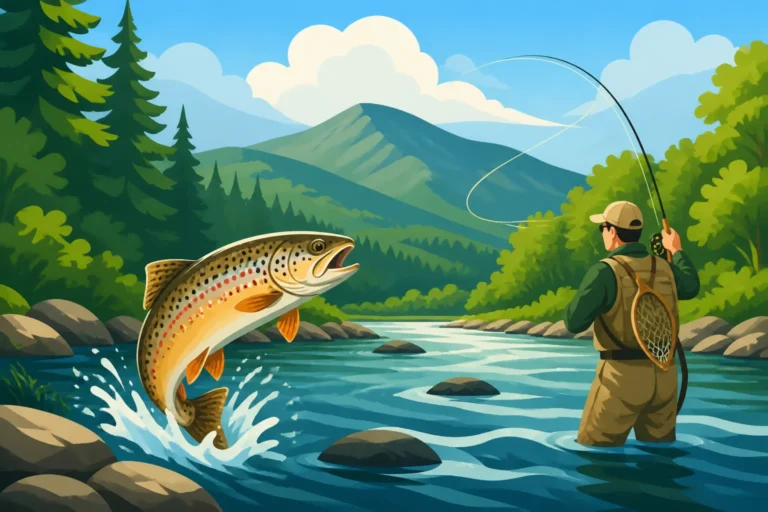
- Rainbow Trout: These beauties are famous for their acrobatic fights and their distinctive pinkish-red stripe along their sides. Rainbows in Conway Lake are regularly stocked by the New Hampshire Fish and Game Department, ensuring a good population for anglers. They tend to cruise open waters, often feeding on insects and baitfish, making them a popular target for trollers. You'll find them active in both surface waters during cooler periods and deeper sections when the sun heats things up.
- Brown Trout: Known for their wary nature and often larger size, brown trout offer a thrilling challenge. They typically have a more olive-brown coloration with dark spots, sometimes ringed with lighter halos. Brown trout are incredibly intelligent and prefer cooler, deeper water, especially near structure like submerged logs or rocky drop-offs. They're often ambush predators, waiting for an unsuspecting baitfish to swim by. Catching a Conway Lake brown trout is a real badge of honor.
- Brook Trout: New Hampshire's native trout and state fish, brook trout are stunning with their worm-like markings (vermiculations) on their backs and vibrant red and blue spots along their flanks. While brook trout are more commonly associated with smaller streams and remote ponds, Conway Lake does get some stockings, and you might find them in cooler, oxygen-rich areas, particularly near feeder streams or spring-fed sections. They tend to be smaller but are absolutely gorgeous and provide a lively fight on light tackle.
While Conway Lake is primarily known for these three trout species, it’s always worth checking the latest New Hampshire Trout Stocking and Fishing Rules, as stocking programs can introduce other species or modify populations.
Seasonal Trout Behavior and Habits
Trout behavior in Conway Lake shifts dramatically with the seasons, largely dictated by water temperature and food availability. Understanding these patterns is key to finding where they'll be hiding.
- Spring (Ice-Out to Early June): This is arguably the prime time for trout fishing on Conway Lake. As the ice recedes, the entire water column is cool and oxygenated, meaning trout are dispersed throughout the lake. They'll be actively feeding after a long winter, often close to the surface, chasing smelt and other baitfish near shallow points, coves, and rocky shores. This is when you can find them in shallower water than usual, making them accessible to both shore anglers and boaters using light tackle. Early spring mornings can be phenomenal.
- Summer (Late June to August): As surface temperatures rise, trout retreat to the cooler, deeper sections of the lake where oxygen levels remain high. They'll congregate around thermoclines—the distinct layers of water with different temperatures—often near deep drop-offs, submerged humps, and the deepest basins. Trolling with downriggers or weighted lines becomes essential to reach these depths. Early mornings and late evenings might see them briefly venture shallower to feed.
- Fall (September to November): The lake begins to cool down again, and trout become more active and aggressive, preparing for winter. They start moving back into shallower waters, particularly near rocky points and shorelines where baitfish might be schooling. This is a fantastic time for both trolling and casting, as trout are often focused on putting on weight. Brown trout, in particular, can be very active as they get ready for their spawning period in tributary streams.
- Winter (Ice Fishing Season): For those brave enough to venture out onto the hard water, Conway Lake offers excellent ice fishing for trout. Once safe ice forms, trout can be found suspended at various depths, often correlating to where schools of baitfish are holding. Jigging with small lures or setting tip-ups with live bait are popular methods. The key is to drill multiple holes and move around until you locate active fish. Always prioritize safety and check ice conditions before heading out.
Water Characteristics and How They Affect Trout
Conway Lake is a relatively large body of water, covering about 1,300 acres, with a maximum depth of around 50 feet. These characteristics play a significant role in where trout can be found.
- Depth and Temperature: Trout are cold-water species, thriving in water generally below 60-65°F. Conway Lake’s varying depths allow it to maintain these cooler temperatures, even during the summer months, in its deeper basins. During warmer periods, fish will seek out these deeper, cooler havens. Understanding the lake's contours and where those deep pockets are is crucial.
- Structure and Forage: Like most predators, trout relate heavily to structure. This can include rocky points, submerged humps, old stream beds, weed lines, and even man-made structures. These areas provide ambush points, protection, and often hold baitfish like rainbow smelt, which are a primary food source for larger trout. Identifying these structural elements using a fish finder or a good lake map will put you directly on top of potential feeding zones. If you're looking for more general advice on locating fish-holding features, consider checking out resources like "Best Fish Finders for New Hampshire Lakes."
Top Trout Fishing Spots on Conway Lake
Now that we understand the trout and their habits, let's talk about where on Conway Lake you'll have the best chance of encountering them. Conway Lake offers a diverse range of environments, from shallow coves to deeper basins, each with its own potential.
Deep Water Haunts and Trolling Lanes
When the sun is high and the water warms up, especially in summer, the deeper parts of Conway Lake become prime real estate for trout.
- The Main Basin: The largest and deepest part of Conway Lake, located roughly in the center, is a classic trolling ground. This area can hold significant numbers of rainbow and brown trout, particularly in summer. Anglers often troll spoons, stickbaits, or live bait at depths ranging from 20 to 40 feet, sometimes deeper, using downriggers or leadcore line. Focus on the edges of the deepest channels and any subtle humps you find with your electronics. These open water stretches are ideal for covering a lot of ground to find active schools. For specific techniques, you might find our guide on "Trolling Techniques for New Hampshire Lake Trout" incredibly helpful.
- Birch Island Drop-Offs: Around Birch Island, especially on its eastern and southern sides, you'll find significant drop-offs into deeper water. These areas create perfect feeding lanes and holding patterns for trout. The transition zones from shallower rocky flats to the main basin provide both food and thermal refuge. Drifting live bait or slow-trolling along these contours can be very effective, particularly during periods when trout are moving between shallow and deep water.
- The Southern End's Deep Pocket: Near the southern end of the lake, closer to the public boat launch, there’s another deep pocket. This area, while perhaps less explored than the main basin, can be a hidden gem. It often holds fish that avoid the heavier boat traffic of the central lake. Concentrate your efforts on the steepest drop-offs and look for baitfish schools on your sonar.
Shallow Water Structure and Forage Areas
During spring, fall, and low-light conditions, trout will move into shallower areas to feed. These spots are also more accessible for shore anglers or those in smaller boats.
- Swift River Inlet: The area where the Swift River flows into Conway Lake, on the northern end, is a fantastic early-season and late-fall spot. The incoming freshwater brings in nutrients and cooler, oxygenated water, attracting baitfish and, consequently, trout. The current here, even subtle, can concentrate fish. Casting small spinners, spoons, or floating a worm under a bobber in this area can yield excellent results, especially for brook and rainbow trout.
- Northern Coves and Points: The numerous coves and rocky points along the northern and eastern shorelines offer excellent opportunities, particularly when the water is cool. Trout will cruise these areas looking for insects, minnows, and even emerging insect hatches. Focus on points where underwater structure extends, creating current breaks or ambush points. Casting small crankbaits or even fly fishing with streamers can be highly productive here.
- Mill Creek Bay (Southeastern Shore): This bay, located on the southeastern side, offers a mix of depths and often holds good numbers of baitfish. The transition lines where the bay deepens or where submerged vegetation meets open water are key areas. It's a great spot for casting light lures or still fishing with bait, especially during spring and fall.
Access Points and Shoreline Opportunities
Not everyone has a boat, and thankfully, Conway Lake offers several ways for shore-bound or small craft anglers to get in on the trout action.
- Conway Lake Public Boat Launch: Located on the southern end off Mill Street, this is the primary access point for boaters. It offers ample parking and a concrete ramp, making it easy to launch anything from a large fishing boat to a kayak. For boaters, this allows immediate access to the southern deep pocket and the main basin. If you're looking to book a guided trip to maximize your time on the water, platforms like FishingBooker often list experienced local guides who launch from this very spot.
- Conway Lake State Park: While primarily a swimming beach, the state park on the lake's western shore can offer limited shore fishing opportunities, especially in the quieter, less crowded shoulders of the season. Always check park regulations regarding fishing zones and times. The edges of the swimming area, away from bathers, might offer a chance to cast a line, particularly in the early morning or late evening.
- Roadside Pull-offs (Northern Shore): Along the northern shore, especially on sections of Mill Street and other smaller roads that hug the lake, you might find small, informal pull-offs or public access points. These often lead to rocky stretches or small clearings perfect for casting. Always be mindful of private property signs and respect local residents. These spots are fantastic for a quick shore fishing trip with a spinning rod and a few lures.
Effective Techniques and Gear for Conway Lake Trout
Once you've located a promising spot, the next step is to present your bait or lure in a way that tempts a trout to strike. Different situations on Conway Lake call for different approaches.
Trolling Strategies and Lure Selection
Trolling is a highly effective method for covering large areas and finding active trout, especially in the deeper sections of Conway Lake.
- Varying Depths and Speeds: Experimentation is key. Start by trolling at different depths until you find where the fish are holding. This might mean using leadcore line, planer boards, or downriggers. A common starting point for speed is 1.5 to 2.5 mph, but sometimes slowing down or speeding up by just half a mile per hour can make all the difference. Zig-zagging your boat can also make your lures appear more erratic and enticing.
- Lure Choices:
- Spoons: Classic trolling lures like Dardevles, Little Cleos, and Sutton Spoons are perennial favorites. Silver, gold, and white are popular colors, often with a touch of red or blue. The flash and erratic wobble of a spoon perfectly imitate an injured baitfish. For more ideas, explore "Best Spoons for Lake Trout Trolling."
- Stickbaits/Plugs: Long, slender lures like Rapala Original Floaters, Husky Jerks, or other minnow imitations are excellent. These can be trolled to mimic smelt or other small fish. Natural colors like silver/black, blue/silver, or perch patterns often work best.
- Flashers and Dodgers: Sometimes, adding a flasher or dodger ahead of your lure can attract more attention. These create additional flash and vibration, drawing trout in from a distance. Pair them with a short leader (18-36 inches) to a smaller spoon or fly.
- Live Bait Rigs: Trolling live bait, especially small shiners or smelt, under a bobber or with a slow-trolling rig can be incredibly effective, particularly for brown trout. Use a small single hook (#6 or #8) through the nose or back of the baitfish to keep it alive and swimming naturally.
Still Fishing and Casting Approaches
When you find a concentration of fish, or if you prefer a more static approach, still fishing and casting can be very rewarding.
- Still Fishing with Bait: From shore or anchored boat, still fishing with live bait is a simple yet deadly technique. Worms, shiners, or even powerbait can be effective. Use a slip bobber to suspend your bait at a desired depth, or a bottom rig with a small weight to present it near the lakebed. This method is particularly good for newly stocked trout who are less wary.
- Casting Spinners and Spoons: In shallower coves, around points, or near the Swift River inlet, casting small inline spinners (like Mepps Aglias or Panther Martins) or small spoons can draw strikes. Work these lures with a steady retrieve, varying the speed and adding pauses to entice a chase. Silver, gold, and bronze blades are often effective.
- Jigging: During ice fishing season, or even in deep water from a boat, vertical jigging is popular. Small tungsten jigs tipped with a grub or a small piece of bait can attract trout. Slowly lift and drop the jig, pausing frequently, to mimic a struggling baitfish.
Essential Gear for a Successful Trip
Having the right equipment can make all the difference.
- Rods and Reels: For Conway Lake trout, a medium-light to medium power spinning rod, 6 to 7 feet long, paired with a 2000-3000 size spinning reel is a versatile setup. This will handle most trout sizes and allow for both casting and light trolling. If you're looking to delve deeper into specific options, our guide on "Best Fishing Rods for New Hampshire Lakes" offers excellent recommendations.
- Line: Spool your reel with 6-8 pound monofilament or fluorocarbon for its stealth and good knot strength. Many anglers prefer braided line with a fluorocarbon leader for added sensitivity and abrasion resistance, especially when fishing near structure.
- Terminal Tackle: A selection of small hooks (sizes 6-10), swivels, split shot weights, and slip bobbers are essential. Don't forget a pair of pliers for hook removal and line cutters.
- Electronics: A fish finder is invaluable, especially for identifying deep water structure, baitfish schools, and trout holding patterns. Portable options are available for kayaks and smaller boats.
- Other Essentials: Always carry a net for landing fish (especially larger trout, to minimize stress), a cooler with ice, and a measuring tape to ensure compliance with length limits. For those hitting the water in their own vessel, exploring options like "Best Boats for New Hampshire Lakes and Rivers" can provide insights into suitable vessels.
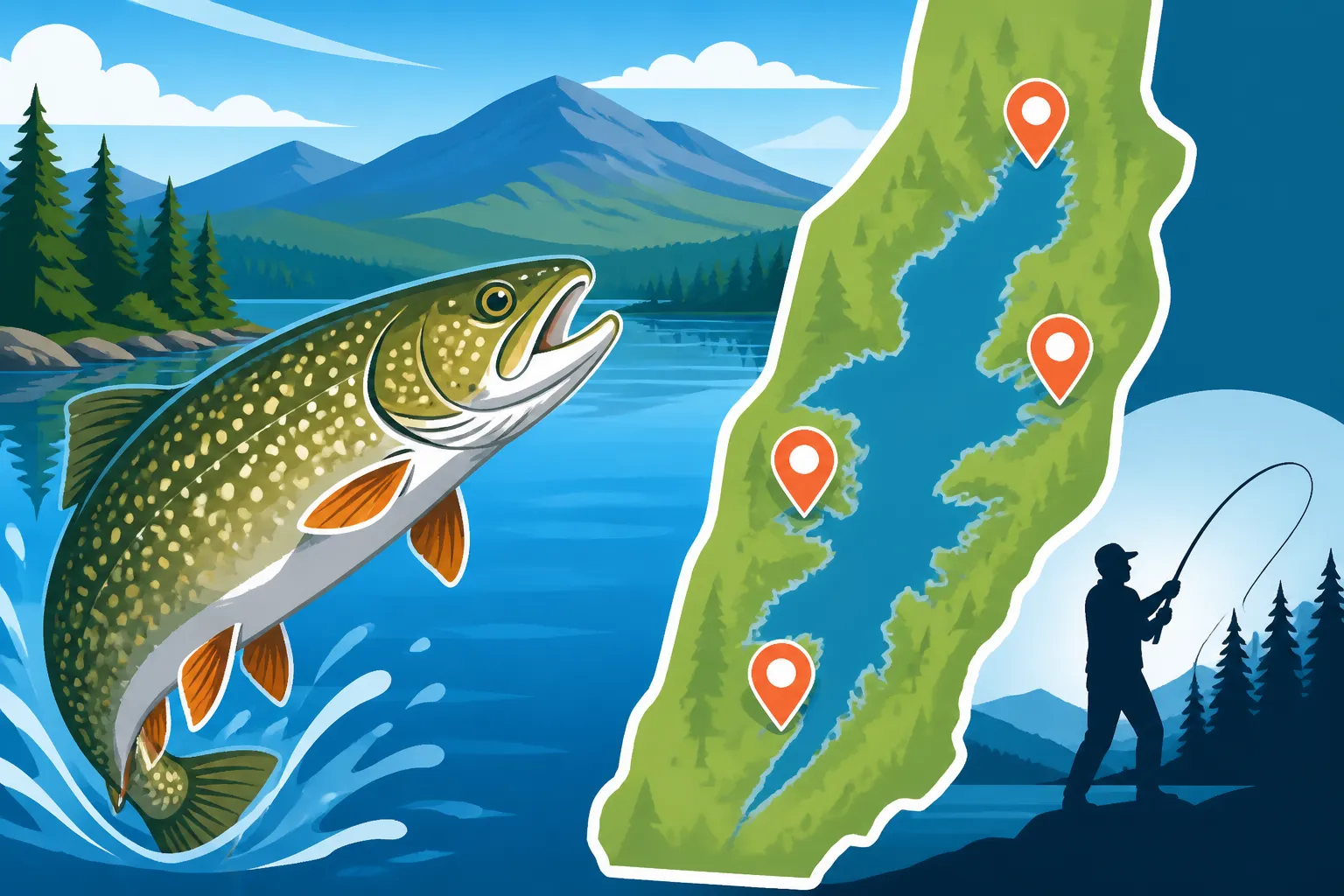
Conway Lake Trout Fishing Hot Spots & Techniques
Max Depth: 50 ft Max Area: 1,300 acres Main game fish: Rainbow Trout, Brown Trout, Brook Trout
Conway Lake Specific Regulations
New Hampshire Fish and Game has specific regulations for fishing across the state, and Conway Lake is no exception. It's crucial to consult the most current New Hampshire Freshwater Fishing Digest PDF, which you can usually find on the NH Fish and Game website.
Key regulations to always double-check include:
- Season Dates: While many species have year-round seasons, trout often have specific opening and closing dates, or certain regulations during different parts of the year.
- Bag and Possession Limits: There are limits on how many fish you can keep per day (bag limit) and how many you can have in your possession (possession limit). These can vary by species and by water body. Always verify the New Hampshire Bag and Possession Limits by Species for trout on Conway Lake.
- Length Limits: Some trout species have minimum or maximum length limits to protect juvenile or trophy-sized fish.
- Method of Take: There might be restrictions on the number of lines you can use, or specific baits that are prohibited in certain waters.
It's your responsibility as an angler to know and follow these rules. Ignorance is not an excuse, and penalties for fishing without a license in New Hampshire or violating regulations can be steep.
Conservation and Responsible Angling
Beyond just following the rules, being a responsible angler on Conway Lake means practicing good conservation habits.
- Catch and Release: If you're not planning to eat your catch, practice proper catch and release techniques. Minimize handling, use barbless hooks, and release fish quickly and gently, especially in warmer water where trout are more susceptible to stress.
- Leave No Trace: Pack out everything you pack in. This includes all trash, broken line, and discarded bait containers. Let's keep Conway Lake beautiful for everyone.
- Respect Wildlife and Other Anglers: Share the lake courteously. Give other boaters and shore anglers ample space. Be mindful of nesting birds or other wildlife you might encounter.
- Boat Safety: Ensure your boat is properly registered and equipped with all required safety gear, including life jackets for everyone on board. Familiarize yourself with New Hampshire Boating Laws for Anglers.
By understanding Conway Lake's unique characteristics, knowing where and when to find the trout, employing the right techniques, and always practicing responsible angling, you'll be well on your way to creating unforgettable fishing memories on this beautiful New Hampshire lake. Good luck out there, and tight lines!
Disclaimer
Fishing regulations, stocking programs, and public access points can change. Always consult the official New Hampshire Fish and Game Department website or their most current fishing guide for the latest and most accurate information before planning your trip.